Ready to Get Your VFD Solution?
Whether you need a single drive or a complete system, we have the VFD products and engineering support to ensure your project's success.


To choose a VFD manufacturer, verify its certifications in independent registries, audit its factory evidence, and test its support before…

You can buy a reliable VFD from China. The catch is that “VFD manufacturer China” is a label claimed by…

A VFD manufacturer is a company that designs and builds the drive itself, and the most reliable ones split into…
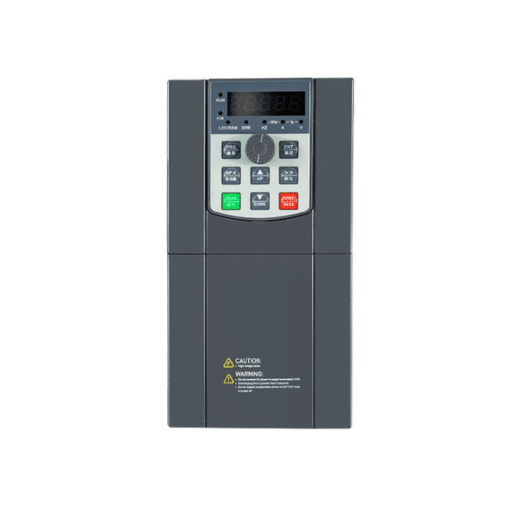
A VFD for packaging machinery does three jobs that matter more than saving power: it ramps the machine through millions…
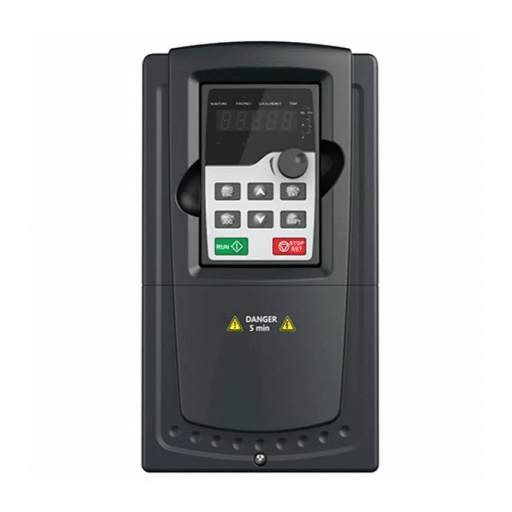
In the real world, a variable frequency drive (VFD) is the box mounted beside a motor that changes the motor’s…
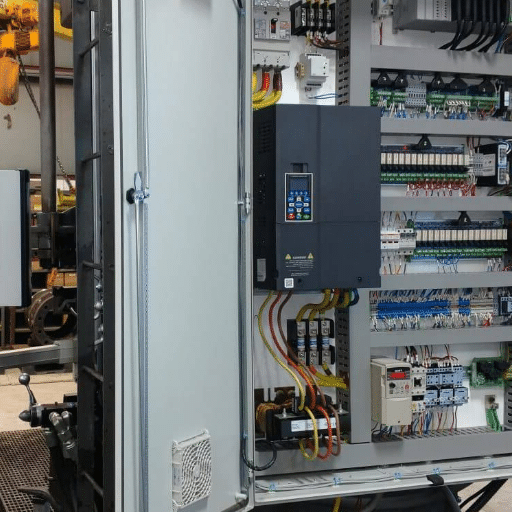
Documented VFD case studies show energy savings of 12-44% in real industrial installations, with payback periods of 11 to 30…
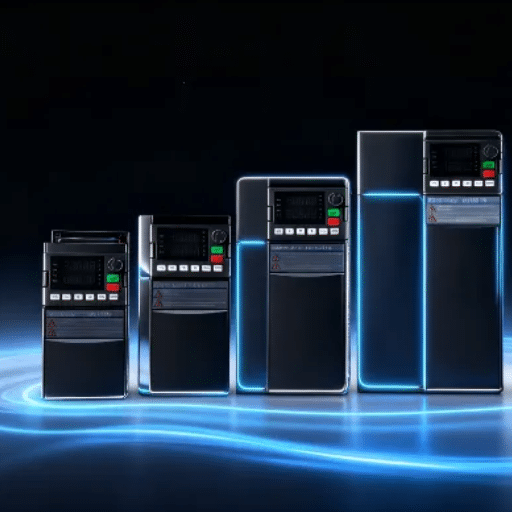
The main benefits of VFDs in mining operations are energy savings of 10-50% on motor-driven equipment, soft starting that eliminates…
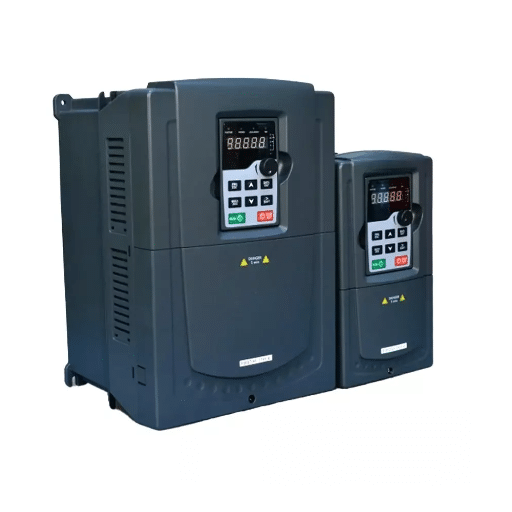
In industrial automation, the VFD (variable frequency drive) is the execution layer for motor control: it takes commands from PLCs,…
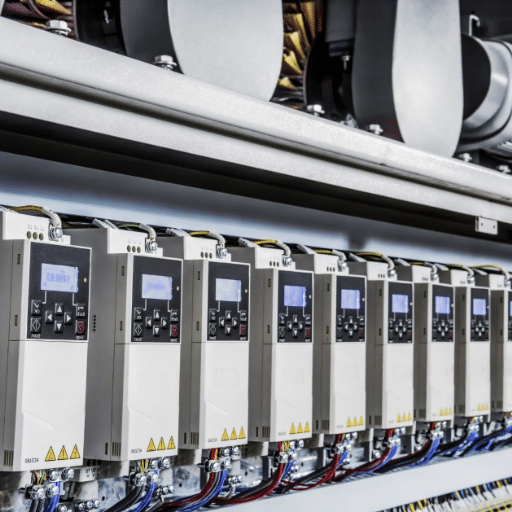
A VFD for conveyor belt systems controls motor speed and torque so the belt accelerates smoothly, runs at the pace…