Ready to Get Your VFD Solution?
Whether you need a single drive or a complete system, we have the VFD products and engineering support to ensure your project's success.

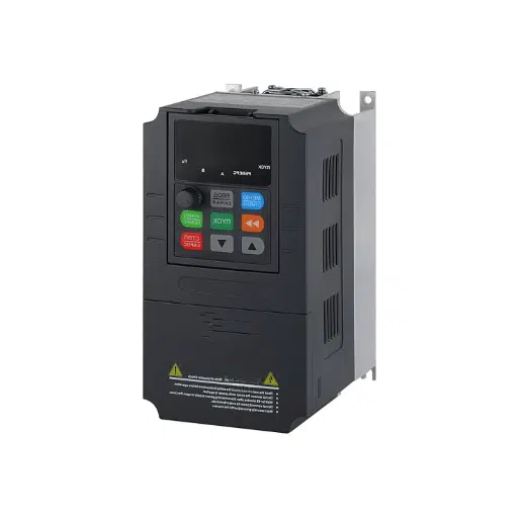
Low voltage VFD systems must match the plant supply, not just the motor. Check voltage class, earthing, tolerance, and multi-motor limits before you buy.
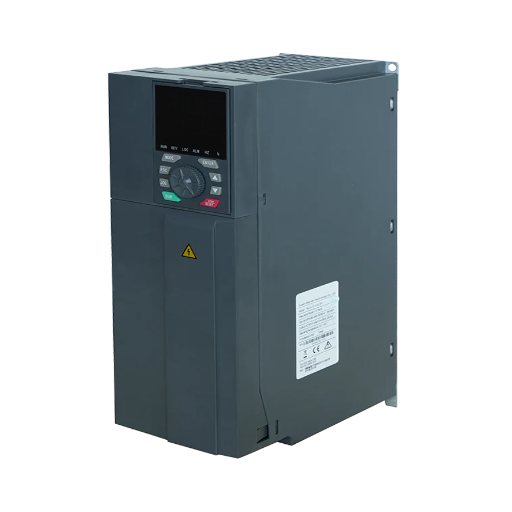
Vector variable frequency drive specs are not comparable. Compare speed accuracy bases, low-speed torque, and encoder needs with this buyer's checklist.
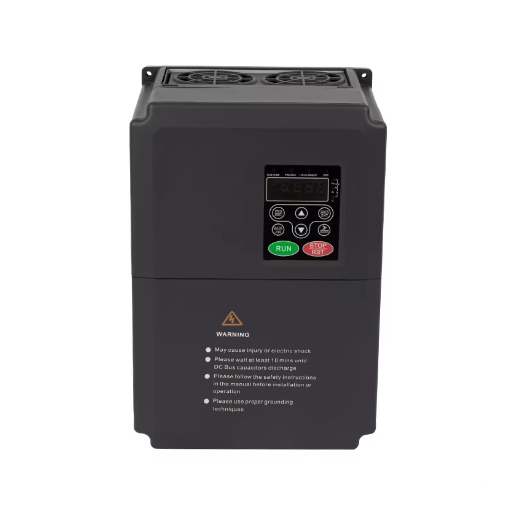
Learn how a VFD for centrifuge duty sets bowl speed and scroll differential. Size the drive, brake the bowl, and commission the pair without nuisance trips.
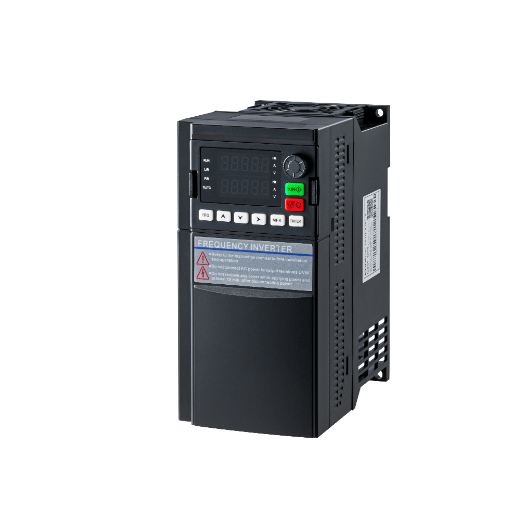
VFD position control uses encoder feedback and a position loop in the drive or PLC. Compare the methods, accuracy limits, sizing, and commissioning steps.
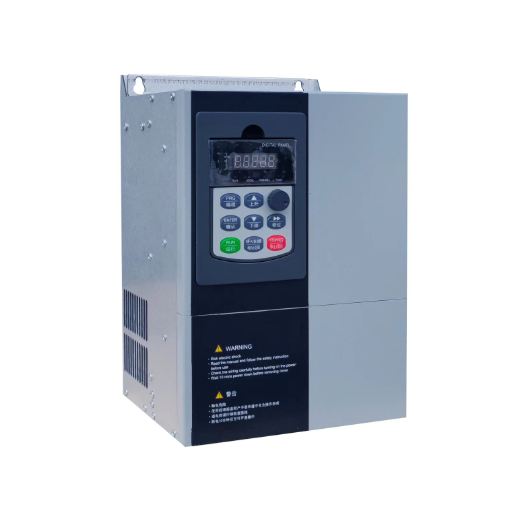
VFD tension control holds web tension with torque, not speed. Compare open-loop, load-cell, and dancer control, then size the motor and commission the drive.
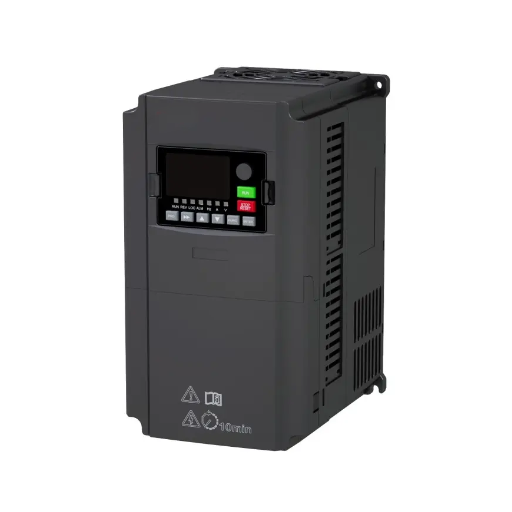
A VFD for extruder duty must be sized to motor FLA on a heavy-duty rating, with vector control and breakaway torque. Follow the steps before you order a drive.
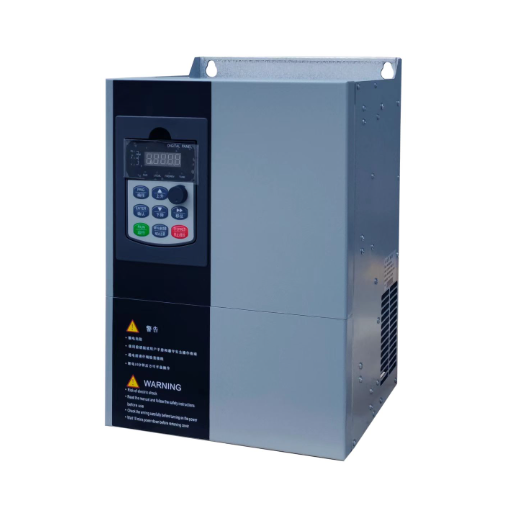
VFD dynamic response is not one number. Compare torque rise time, speed bandwidth, settling time, and load recovery, then test the drive at the shaft.
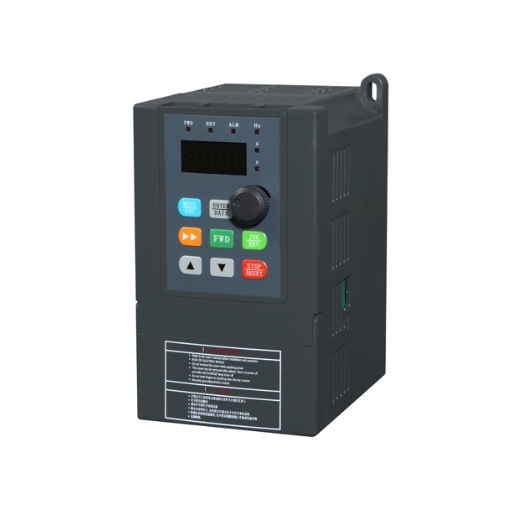
VFD speed control accuracy runs from ±1% with slip compensation to ±0.01% closed-loop. Learn what each figure measures and how to verify it at the shaft.
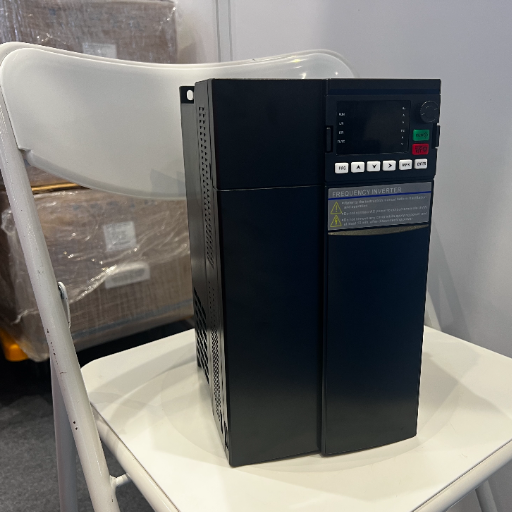
VFD torque at zero speed takes two things: a control mode that reaches zero, and a motor that can survive holding there. Here is how to check both of them.