Ready to Get Your VFD Solution?
Whether you need a single drive or a complete system, we have the VFD products and engineering support to ensure your project's success.



Low Voltage Variable Frequency Drive (VFD) systems are instrumental in optimizing the operational efficiency and precise control of AC motor applications. These sophisticated systems facilitate significant energy savings, enhance process stability, and extend equipment lifespan by enabling granular adjustments to motor speed and torque.
Low voltage VFD systems, or variable frequency drives, are crucial for controlling the speed and torque of electric motors by adjusting the frequency and voltage supplied. These systems play a vital role in various industrial applications, allowing for precise motor control and significant energy savings. With a comprehensive portfolio of low voltage AC drives, businesses can enhance motor performance and operational efficiency while maximizing productivity.
The key components of low voltage drive systems include the power converter, control unit, and user interface. The power converter handles the conversion of incoming AC power to the required voltage and frequency. The control unit processes input data, enabling the drive to adapt to different operational demands. The user interface allows engineers to easily configure and monitor the system’s performance, ensuring reliable operation and efficient troubleshooting.

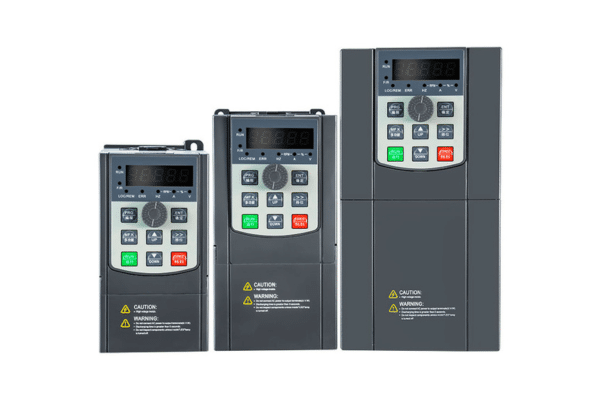
Low voltage variable frequency drives are sophisticated power conversion devices designed to operate within standard industrial voltage ranges, typically below 690V. The core function of these drives is to convert incoming fixed-frequency AC power into a variable-frequency, variable-voltage output. This allows for precise, dynamic control over the speed of standard induction or synchronous motors, ensuring optimal process control and unmatched efficiency.
At its heart, a low voltage AC drive rectifies the incoming AC supply to DC and then inverts it back to a synthesized AC waveform of the desired frequency. This sophisticated motor control allows for soft starts, dynamic braking, and continuous speed adjustment, protecting equipment and refining the entire operational process.
By implementing a variable speed drive, operations are no longer limited to fixed-speed motor performance. This capability is critical in applications where demand fluctuates, such as pump and fan systems. The ability to precisely manage speed directly translates to reduced energy consumption and lower operational costs.
Low voltage variable frequency drives provide an array of benefits, such as improved energy efficiency, enhanced motor control, and lower maintenance costs. Designed for flexibility, these drives can be integrated into existing systems for both new installations and retrofits. By utilizing variable speed control and advanced features like sensorless vector control, businesses can achieve high performance, reduced harmonic distortion, and increased uptime, ultimately leading to lower operational costs and a smaller environmental footprint.
Experience superior dynamic characteristics with sensorless vector control technology that generates greater torque at lower current levels, ensuring optimal motor performance across all operating conditions. This advanced control method delivers precise speed regulation and rapid response to load changes, maximizing your equipment’s operational capability.Experience superior dynamic characteristics with sensorless vector control technology that generates greater torque at lower current levels, ensuring optimal motor performance across all operating conditions. This advanced control method delivers precise speed regulation and rapid response to load changes, maximizing your equipment’s operational capability.
Reduce energy consumption significantly in motor-driven systems while maintaining peak performance. Our VFD systems optimize power usage, delivering measurable cost savings and improved operational efficiency. By matching motor speed precisely to actual demand, you can achieve energy reductions of up to 50% in variable torque applications.
Customize your system to meet specific operational requirements with user-programmable functions and versatile configuration options that adapt to your unique industrial needs. Multiple preset configurations and adjustable parameters allow you to fine-tune performance characteristics, ensuring the drive operates exactly as your application demands.
Seamlessly integrate with existing setups across textile, CNC machining, packaging, food processing, and manufacturing environments with proven compatibility and reliable performance. Our drives support multiple communication protocols and standard industrial interfaces, simplifying installation and reducing integration time regardless of your existing automation infrastructure.
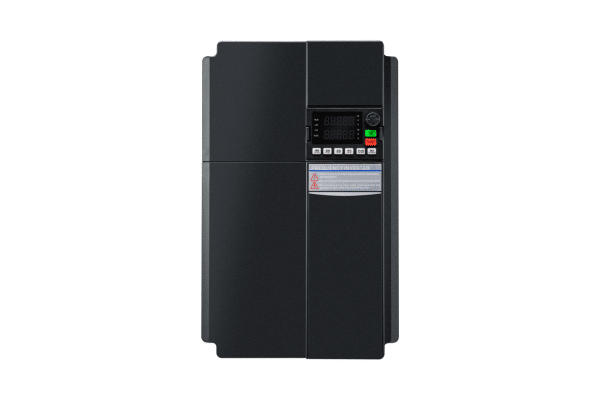
A high-performance vector drive featuring a compact design and dual display. It offers rich functionality, including advanced vector and V/F control, making it a versatile and cost-effective solution for various industrial applications.
Key Parameters:
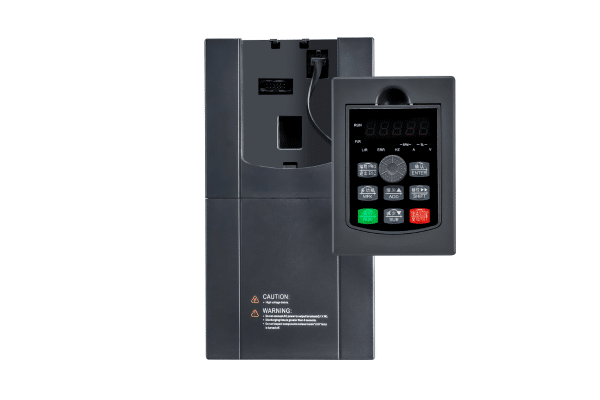
A universal, general-purpose VFD with superior performance and a compact, modern design. Engineered for excellent heat dissipation and versatile configuration, it is an ideal and highly adaptable drive for a broad array of applications.
Key Parameters:
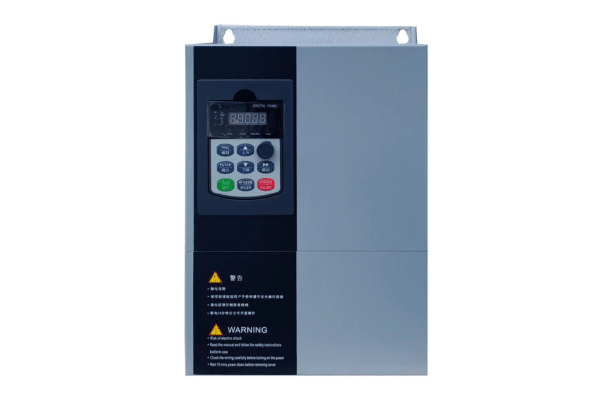
Our premier heavy-duty vector control drive, engineered for applications demanding high torque at low speeds. It delivers exceptional dynamic response and superior overload capacity, perfect for the most challenging industrial automation tasks.
Key Parameters:
Our low voltage VFDs are designed with a wide range of configurable options to ensure a precise fit for your specific operational requirements.
| Specification | Capability & Range |
|---|---|
| Power Range | 0.75 kW – 500+ kW (1 HP – 700+ HP) |
| Input Voltage | Single-phase 220V; Three-phase 220V, 380V, 480V |
| Control Modes | V/F Control, Sensorless Vector (SVC), Closed-Loop Vector (FVC) |
| Output Frequency | Standard 0 – 400 Hz (Higher frequencies available) |
| Overload Capability | G-Type (Heavy Duty): 150% for 60s, 180% for 3s |
| P-Type (Normal Duty): 120% for 60s, 150% for 3s | |
| Communication Protocols | Standard: Modbus-RTU; Optional: Profibus-DP, CANopen, Ethernet/IP |
| Protection Level | Standard IP20 (Panel Mount); higher ratings available for harsh environments |
| Ambient Temperature | -10°C to +40°C (derating may apply for higher temperatures) |
| Braking Unit | Built-in for most common power ranges; external units supported |
Selecting the optimal VFD requires careful consideration of your motor specifications, application requirements, environmental conditions, and performance objectives. Our technical team provides comprehensive support throughout the selection and implementation process.
We assist with:

Our Variable Frequency Drive (VFD) systems are engineered for a broad spectrum of applications, including but not limited to elevators, HVAC fans, industrial pumps, CNC machinery, textile manufacturing equipment, automated packaging lines, and food processing systems. Their versatility makes them suitable for nearly any industrial motor control scenario requiring precise speed and torque regulation.
Our VFDs are equipped with multiple communication protocols to ensure seamless integration into modern industrial automation environments. Standard support includes RS-485 with the MODBUS protocol for reliable serial communication and EtherCAT for high-speed, real-time industrial Ethernet networking, facilitating robust data exchange and remote system management.
Selecting the riOur VFDs offer a wide output frequency range, from 0.01 Hz to 630 Hz. This extensive range allows for exceptionally precise and flexible speed control, accommodating both high-speed applications and processes that require very low, stable motor speeds.ght VFD involves considering the motor type, required speed control, torque needs, input voltage, and specific application requirements. It’s important to ensure that the VFD is compatible with the AC motor’s specifications.
Vector control technology offers significant performance advantages over traditional Volts-per-Hertz (V/F) control. It provides superior torque generation and control, particularly at low operational speeds, delivers a more dynamic response to load changes, and ensures highly accurate speed regulation. This results in enhanced machine performance, greater operational efficiency, and improved end-product quality.
The systems incorporate a comprehensive suite of protection features to ensure maximum reliability and safety. These include short circuit detection, overcurrent and overvoltage/undervoltage trips, input/output phase loss detection, drive and motor overheating protection, and sophisticated motor overload protection algorithms.
Yes, a primary benefit of implementing our VFD systems is significant energy savings. By precisely matching motor speed to the application’s load demand, particularly in variable torque applications like fans and pumps, our drives can reduce energy consumption by up to 40% or more, leading to substantial reductions in operational costs.