Ready to Get Your VFD Solution?
Whether you need a single drive or a complete system, we have the VFD products and engineering support to ensure your project's success.



Optimize motor performance, lower energy consumption, and reduce operational costs with our advanced High Frequency Variable Frequency Drives (HFVFDs). Engineered for precision and reliability, our solutions deliver superior control for demanding industrial applications.
A High Frequency Variable Frequency Drive (HFVFD) is an advanced motor control device that regulates the speed and torque of electric motors by converting AC power to DC, then back to high-frequency AC. This precise control eliminates the need for mechanical gearboxes, enabling direct speed modulation while maintaining optimal motor efficiency across varying load conditions.
By operating at elevated frequencies, HFVFDs provide more accurate power delivery, reduce harmonic distortion, and improve overall system performance—making them ideal for applications requiring exceptional responsiveness and energy efficiency.
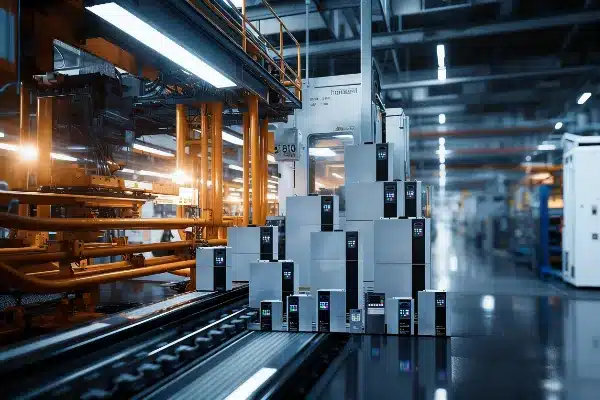
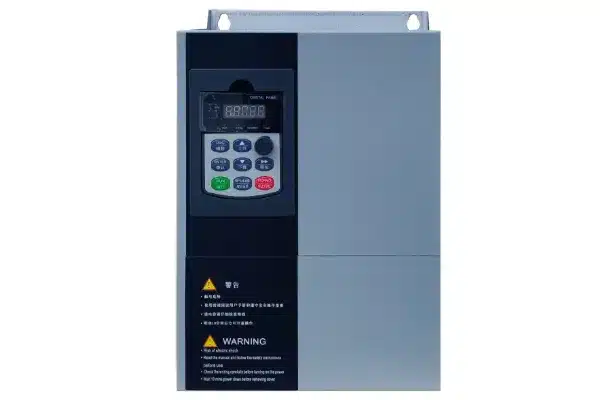
High Frequency Variable Frequency Drives (HFVFDs) deliver a comprehensive range of technical advantages that enhance operational efficiency and system reliability. Leveraging advanced frequency modulation, these drives offer precise speed and torque control, substantial energy savings, and robust protection against electrical disturbances. Their implementation ensures optimized performance, lower maintenance requirements, and reduced lifecycle costs, making them a superior choice for demanding industrial environments.
HFVFDs optimize motor speed control with exceptional precision, significantly reducing energy waste.
By matching motor output to actual load requirements, our drives can lower electricity consumption by up to 30%, directly reducing operational costs and minimizing your facility’s carbon footprint.
Our HFVFDs are engineered to control motors under diverse and challenging conditions, extending equipment lifespan and minimizing unplanned downtime. Advanced protection features safeguard against electrical transients and voltage fluctuations, ensuring consistent performance in mission-critical applications.
Achieve precise speed modulation across a wide range of motors and applications. Whether you’re managing conveyor systems, pumps, fans, or complex manufacturing processes, our HFVFDs adapt seamlessly to varying operational demands, enhancing process efficiency and throughput.
High frequency VFDs deliver precise speed and torque control, making them ideal for advanced automation processes. Industries such as semiconductor manufacturing, robotics, and assembly lines benefit from enhanced accuracy, reduced production errors, and optimized throughput.
In building management and municipal operations, our VFDs provide intelligent control for HVAC systems, chillers, and water pumps. This ensures optimal energy utilization, minimizes wear on equipment, and supports compliance with stringent sustainability standards.
Our VFDs enable seamless integration with existing motor systems, allowing industrial facilities to modernize without extensive overhauls. This compatibility extends the operational life of legacy assets while achieving significant improvements in energy efficiency and process reliability.

Our premier high-frequency VFD, engineered for demanding applications requiring exceptional speed and precision. It supports a wide range of motor powers and offers advanced control modes, making it the ideal choice for high-speed spindles, centrifugal compressors, and specialized test bench applications that operate beyond standard frequencies.
Key Parameters:
A high frequency VFD (Variable Frequency Drive) is an advanced motor controller that allows for precise control of motor speed and torque by varying the frequency and voltage supplied to the motor. This technology enhances the efficiency and performance of AC electric motors.
| Specification | Details |
|---|---|
| Type of Drive | High Frequency VFD |
| Control Method | Vector Drive |
| Input Voltage | Voltage Variable Frequency |
| Output Frequency | Adjustable Frequency |
| Switching Frequency | High Frequency |
| Motor Control | Active Front End |
| Application | Process Control, Adjustable Speed Drive |
| Power Supplied | Variable Torque and Speed Control |
| Motor Compatibility | AC Motors, Electric Motors |
| Drive Technology | Inverter Drive |
| Carrier Frequency | High Performance |
| Benefits | Improved Efficiency, Reduced Energy Consumption |
Selecting the optimal VFD requires careful consideration of your motor specifications, application requirements, environmental conditions, and performance objectives. Our technical team provides comprehensive support throughout the selection and implementation process.
We assist with:
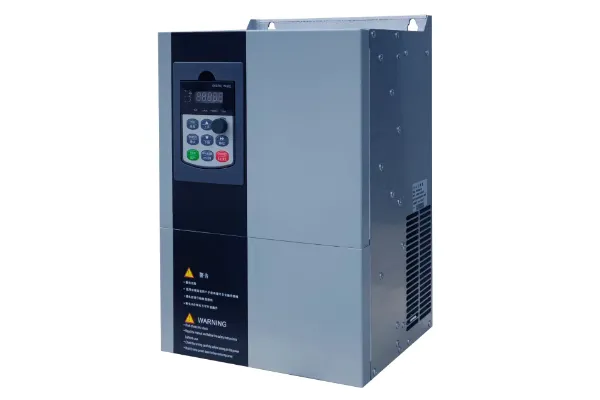
A High Frequency VFD is an advanced electronic device that precisely controls the speed and torque of electric motors by adjusting the frequency and voltage of the supplied power. This technology enhances process control, improves energy efficiency, and minimizes mechanical stress on equipment.
By optimizing motor speed to match load requirements, High Frequency VFDs significantly reduce unnecessary energy consumption, resulting in lower operational costs and reduced environmental impact.
Our VFDs include comprehensive safety features such as overvoltage, undervoltage, overload, and short-circuit protection, as well as built-in fault diagnostics to ensure safe, reliable operation.
Industries including manufacturing, oil and gas, building management, municipal utilities, and chemical processing all benefit from the operational flexibility and efficiency improvements enabled by High Frequency VFDs.
Yes, our VFDs are engineered for broad compatibility and can be integrated with most existing motor systems, allowing facilities to upgrade without costly replacements.
Our technical team conducts detailed system assessments and provides expert recommendations to ensure selection of the optimal VFD solution based on operational needs, power requirements, and environmental conditions.