Ready to Get Your VFD Solution?
Whether you need a single drive or a complete system, we have the VFD products and engineering support to ensure your project's success.

Our 60–100 HP Variable Frequency Drives (VFDs) are designed to deliver superior control, efficiency, and reliability for demanding industrial environments. Each feature has been developed to address the rigorous requirements of modern automation and motor management.
By optimizing motor speed to match process demands, our VFDs help reduce unnecessary energy consumption, resulting in substantial cost savings and improved environmental sustainability for your operations.
Our solutions enable precise adjustment of speed and torque, supporting smooth operation even in applications with variable loads or frequent start-stop cycles, thus enhancing overall process accuracy and consistency.
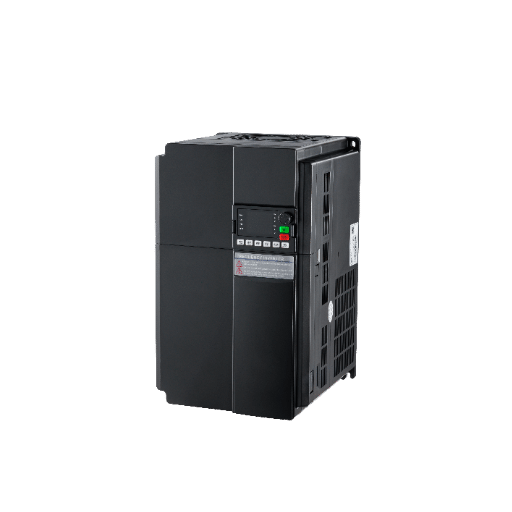
Equipped with comprehensive safety features, these VFDs provide robust protection against electrical faults, thermal overload, and short circuits, significantly increasing equipment lifespan and operational safety.
Designed with compatibility in mind, these VFDs integrate easily with existing automation systems and support a wide range of industrial protocols, making them adaptable for both current and future expansion needs.

A robust and scalable high-voltage VFD series, engineered for high-power industrial applications. It ensures reliable performance, energy efficiency, and operational flexibility.
Technical features

A cutting-edge high-voltage VFD series built for ultra-high-power applications. It offers precision control, exceptional durability, and advanced diagnostics for extreme industrial tasks.
Technical features

An industrial-grade water-cooled high-voltage VFD designed for heavy-duty applications. It delivers unmatched power, superior cooling, and efficiency in demanding environments.
Technical features
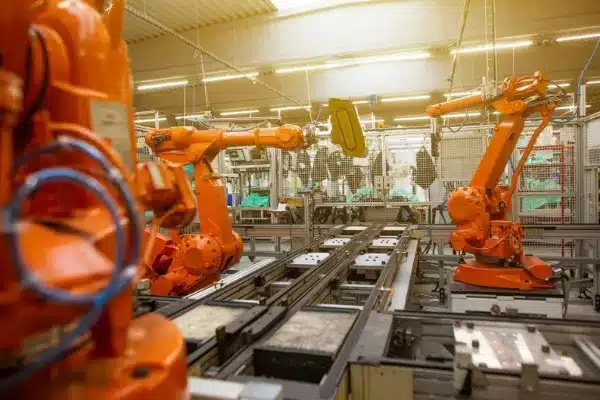
60–100 HP VFDs play a pivotal role in large-scale manufacturing environments, where precise motor speed and torque control are essential for consistent production quality. These VFDs are widely used to manage conveyor systems, mixers, and extruders, enabling flexible adjustment of operational parameters according to production requirements. By providing enhanced process control, they help manufacturers minimize waste, reduce machinery wear, and respond quickly to changing load demands, thus ensuring optimal efficiency and operational continuity within complex industrial workflows.

In modern commercial facilities, energy efficiency and indoor climate control are key priorities. 60–100 HP VFDs enable dynamic adjustment of fan and pump speeds in heating, ventilation, and air conditioning (HVAC) systems. This flexibility ensures the delivery of precise air flow and temperature control based on real-time occupancy and environmental conditions. Through their advanced control algorithms, these VFDs reduce overall power consumption, lower operational costs, and extend the lifespan of HVAC equipment, delivering both sustainability and reliability in demanding commercial applications.
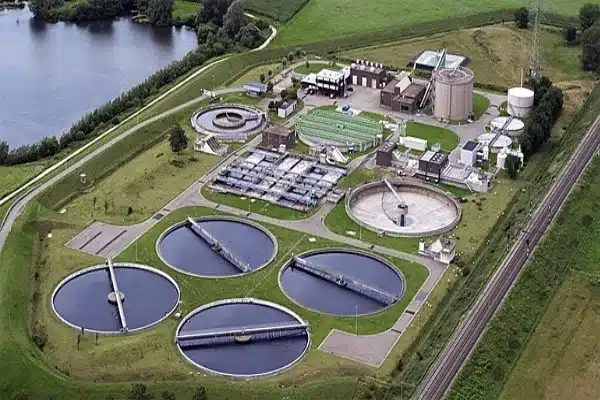
The management of pumps and blowers in water and wastewater treatment plants requires robust, responsive motor control. 60–100 HP VFDs provide operators with the ability to regulate pump speeds according to varying flow rates and system pressures. This capacity not only optimizes energy usage, but also prevents issues such as water hammer and pipe stress. The result is greater process reliability, easier compliance with regulatory standards, and significant reductions in maintenance requirements, all contributing to improved operational efficiency and environmental stewardship.
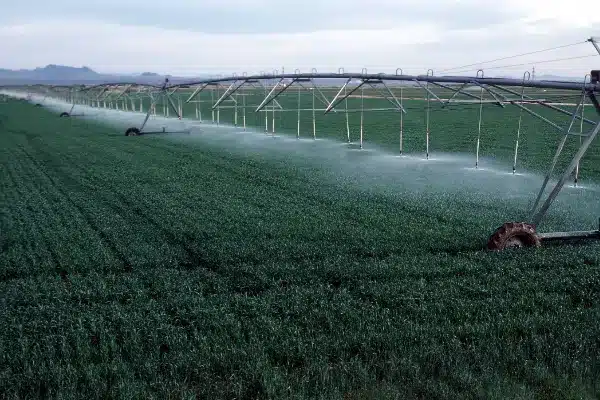
Agricultural operations depend on reliable and adaptable pump and processing systems to support crop irrigation and post-harvest handling. 60–100 HP VFDs are essential in these contexts, enabling farmers to precisely control water delivery and processing conveyor speeds tailored to specific crop needs and environmental factors. This precise regulation helps conserve water resources, lower energy input, and maintain the quality and safety of agricultural products throughout the production cycle, making VFDs a vital asset for progressive and sustainable farming enterprises.
The VFD first converts incoming AC power into DC electricity using a rectifier circuit. This process provides a stable electrical input, forming the foundation for accurate motor control and efficient energy utilization across demanding applications.
After conversion, the VFD uses sophisticated modulation techniques, such as pulse width modulation (PWM), to precisely reconstruct AC output with controlled frequency and voltage. This adjustment directly regulates the speed and torque of the connected motor, supporting process optimization.
During operation, the VFD continuously monitors parameters such as voltage, current, and temperature. Built-in protection functions promptly respond to abnormal conditions, helping prevent equipment damage, reduce downtime, and ensure sustained operational reliability.
Discover a comprehensive selection of variable frequency drives (VFDs) ranging from 60 to 100 horsepower. Our solutions are designed for optimal motor control, energy efficiency, and high performance across various applications.
| Specification | Description |
|---|---|
| Power Range | 60 hp to 100 hp |
| Input Voltage | 480v, 460v, 380v, 240v, 220v |
| Phase Type | 3 phase, single phase to 3 phase, phase to three phase |
| Control Method | Sensorless vector control, vector control |
| Torque Regulation | High torque capability for demanding applications |
| Enclosure Types | NEMA 1, NEMA 4x, IP20 |
| Communication | RS485 support for easy integration |
| Motor Compatibility | AC motors, induction motors |
| Energy Efficiency | Energy saving variable frequency drives |
| Overload Capacity | Strong overload capacity for reliable performance |
| Speed Control | Variable speed drive with precise speed regulation |
| Ambient Conditions | Designed for various ambient conditions |
| Power Supply | Compatible with various power supply configurations |
| Motor Speed Regulation | Efficient motor speed adjustment for optimal performance |
| Commissioning | Easy commissioning process for quick setup |
| Options | Available in series VFDs for different applications |
Selecting the optimal VFD requires careful consideration of your motor specifications, application requirements, environmental conditions, and performance objectives. Our technical team provides comprehensive support throughout the selection and implementation process.
We assist with:
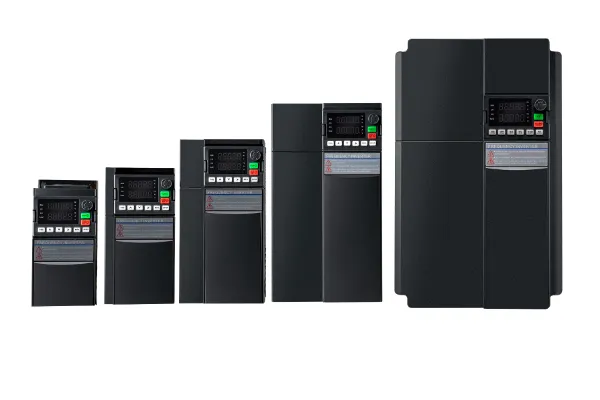


A 60–100 HP Variable Frequency Drive (VFD) is used to control the speed and torque of electric motors in medium to large industrial settings, such as pumps, fans, compressors, and conveyors.
Most modern 60–100 HP VFDs are designed for broad compatibility and can often be retrofitted to operate with a wide range of standard three-phase motors, provided that electrical ratings are correctly matched.
Routine inspections are recommended at least once every six months, with periodic cleaning of cooling components and scheduled firmware updates to maintain peak performance and reliability.
These VFDs adjust motor speed to match load requirements, significantly reducing energy consumption and operational costs compared to fixed-speed systems.
Proper installation requires assessment of electrical supply, ventilation, enclosure rating, and adherence to safety standards to ensure optimal performance and operational longevity.
Operators should monitor for overvoltage, undervoltage, overheating, overloads, and communication errors, as these may indicate either application or hardware issues requiring prompt attention.