Ready to Get Your VFD Solution?
Whether you need a single drive or a complete system, we have the VFD products and engineering support to ensure your project's success.

Integrating a Variable Frequency Drive into your system provides tangible advantages that impact both performance and your bottom line. Our AC drives are engineered to deliver these core benefits consistently across their operational life.
Our VFD drives provide granular control over motor speed and torque, ensuring your equipment operates at optimal parameters. By converting fixed frequency and voltage from the power supply into variable outputs, these drives enable seamless regulation that maintains consistent performance across varying operational demands.
Through continuous monitoring and adjustment of frequency and voltage, our VFD drives maintain peak efficiency throughout the operational cycle. This dynamic regulation minimizes mechanical stress on motor components, extends equipment lifespan, and reduces maintenance requirements.
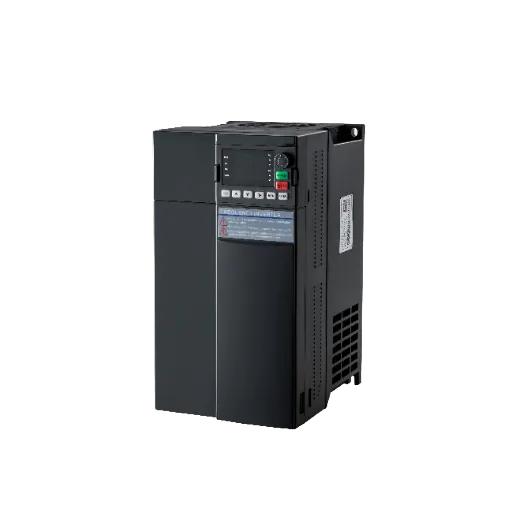
Variable Frequency Drives optimize energy consumption by matching motor speed to actual load requirements. This intelligent adjustment eliminates the energy waste associated with fixed-speed motor operation, resulting in measurable reductions in operational costs and a lower carbon footprint for your facility.
The 20-50 HP range addresses the requirements of numerous industrial sectors, including manufacturing, HVAC systems, water treatment facilities, material handling operations, and process control environments. This versatility ensures reliable performance across diverse operational contexts.
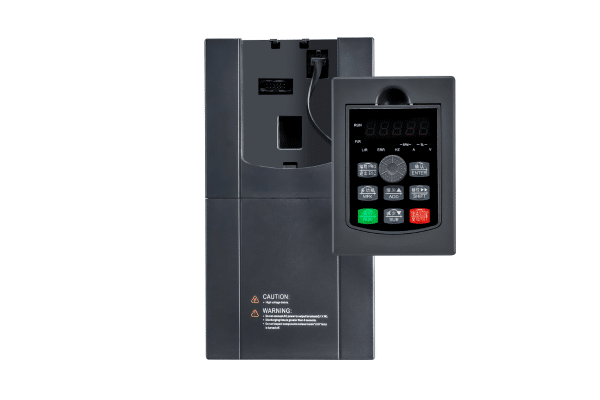
A versatile and reliable low-voltage VFD, ideal for light-duty industrial and commercial applications, ensuring consistent performance and advanced control.
Technical features
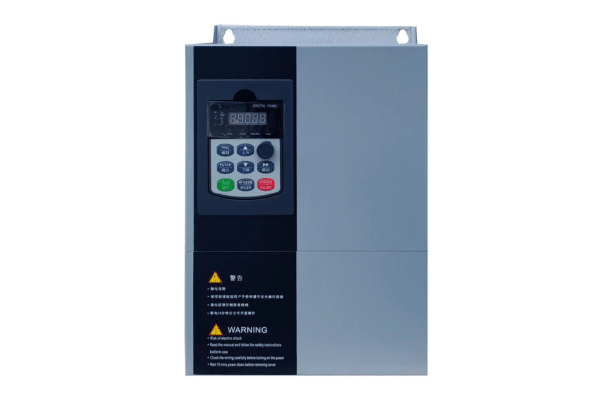
A high-performance low-voltage VFD built for medium-duty applications, offering advanced motor control and excellent adaptability for various tasks.
Technical features

A robust and scalable high-voltage VFD series, engineered for high-power industrial applications. It ensures reliable performance, energy efficiency, and operational flexibility.
Technical features
20-50 HP VFDs are integral to the operation of large-scale Heating, Ventilation, and Air Conditioning (HVAC) systems in commercial and institutional facilities. By modulating the speed of fans, pumps, and compressors according to real-time demand, VFDs ensure precise climate control while minimizing energy consumption. This adaptive functionality leads to significant reductions in operational costs and extends equipment lifespan by reducing mechanical stresses. Additionally, integrated monitoring and diagnostics within modern VFDs support predictive maintenance strategies, further optimizing system reliability and uptime.
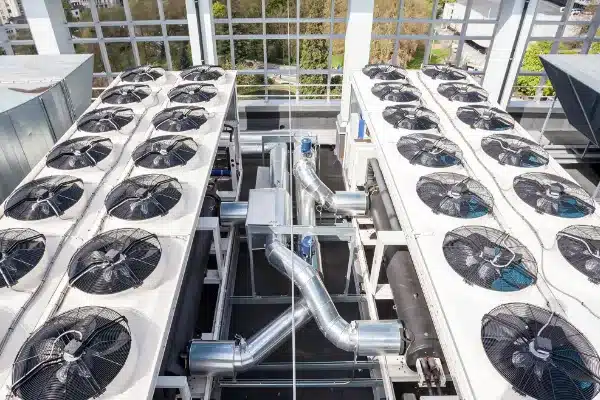
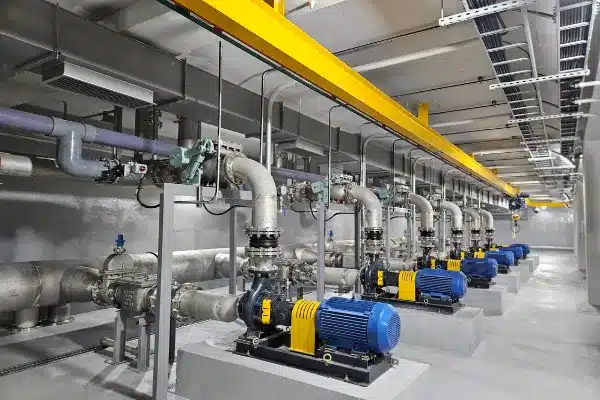
Municipal water treatment plants and industrial pumping systems benefit from the rigorous process control provided by 20-50 HP VFDs. These drives enable operators to match pump performance to fluctuating flow requirements, maintaining consistent pressure and efficient throughput. The result is enhanced process stability, improved water quality, and reduced energy usage. By minimizing pump cycling and controlling acceleration and deceleration rates, VFDs also reduce the risk of pump cavitation and water hammer, contributing directly to the longevity of critical assets.
Automated material handling systems and conveyors require precise, responsive control to maintain throughput, product quality, and workplace safety. 20-50 HP VFDs are engineered to deliver smooth motor acceleration and deceleration, helping to prevent product spillage, equipment jams, and excessive wear on moving parts. These drives support seamless integration with sensors and programmable logic controllers (PLCs), enabling advanced automation and real-time adaptation to varying load conditions within logistics centers, warehouses, and manufacturing environments.
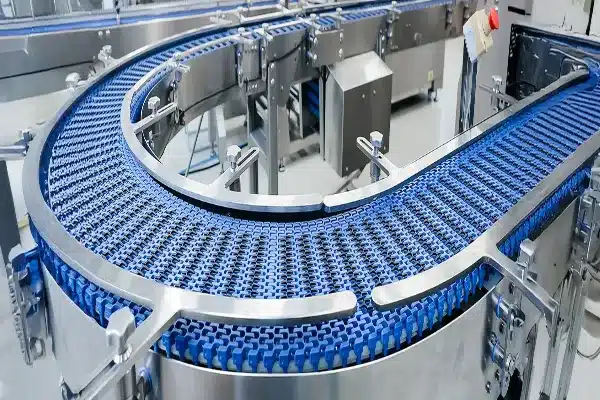

Manufacturing operations—such as extrusion, mixing, and packaging—demand a high degree of process precision and reliability. By deploying 20-50 HP VFDs, manufacturers can finely tune motor speeds to specific production requirements, driving quality improvements and operational consistency. The advanced control features of modern VFDs enhance resource efficiency, support compliance with industry standards, and facilitate rapid adjustments for product changeovers or batch production runs. Intelligent protection functions further safeguard motors and equipment, minimizing unplanned downtime and ensuring sustained productivity.
At the core of Variable Frequency Drives (VFDs) is the ability to transform fixed supply frequency and voltage into variable outputs. Through advanced semiconductor power electronics, a VFD takes the standard electrical input and converts it into a controlled frequency and voltage for the connected AC motor. This conversion is fundamental, as it forms the basis for delivering precise speed and torque adjustments that traditional motor starters cannot achieve.
By intelligently modulating both frequency and voltage, VFDs provide direct control over a motor’s rotational speed and torque output. This high level of precision ensures motors run exactly at the speeds required for their tasks, accommodating changing load conditions with responsive adjustments. Such real-time motor control not only maximizes operational efficiency but also significantly enhances process accuracy and adaptability across industrial environments.
Optimizing motor performance with VFDs leads to substantial energy savings and reduced operational costs. Because motors are no longer forced to operate at a constant speed or rely on inefficient mechanical control methods, they experience less mechanical stress and generate less heat. This reduction in wear translates into extended equipment lifespan and decreased maintenance needs, reinforcing the long-term reliability and cost-effectiveness of VFD-integrated motor systems.
Explore the specifications and features of variable frequency drives (VFDs) designed for 20-50 horsepower (hp) applications. These drives are essential for controlling motor speed and efficiency in various industrial settings.
| Specification | Description |
|---|---|
| Power Range | 20-50 hp |
| Input Voltage | 480V, 230V, 240V, 380V, 208-240V |
| Output Voltage | 480V (50 hp VFD), 3-phase output |
| Frequency | 0-60 Hz |
| Type | Variable Frequency Drive (VFD) |
| Enclosure Type | NEMA 1, IP20 |
| Motor Control | AC motor control with variable frequency |
| Phase | Three-phase, 3 ph input |
| Efficiency | Energy-efficient designs, low harmonic distortion |
| Applications | HVAC, industrial motor control |
| Digital Phase | Advanced digital phase control |
| Compliance | UL type certification |
| Input Power | Varies by model, typically 20-50 hp |
| Operating Range | 380-480V |
| Longevity | Designed for 40 years of operation |
Selecting the optimal VFD requires careful consideration of your motor specifications, application requirements, environmental conditions, and performance objectives. Our technical team provides comprehensive support throughout the selection and implementation process.
We assist with:
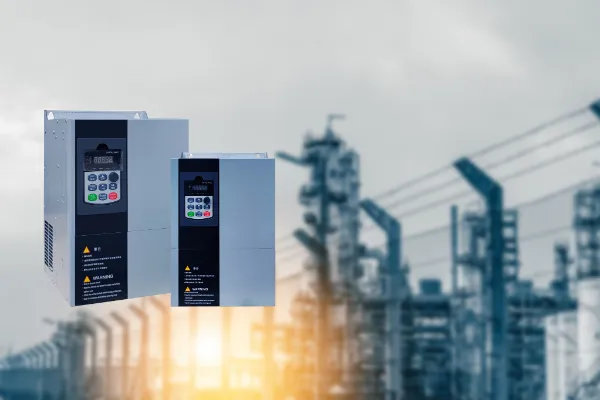


A Variable Frequency Drive (VFD) is an electronic device that controls the speed and torque of electric motors by varying the input frequency and voltage. This enables precise process control and improved energy efficiency.
These VFDs are compatible with most standard three-phase induction motors. Always verify motor compatibility with the manufacturer’s specifications to ensure optimal operation.
Consider factors such as application requirements, environmental conditions, power supply compatibility, and the rated current and voltage of both the VFD and the connected motor.
Key benefits include significant energy savings, enhanced process control, reduced mechanical wear on equipment, and better integration with automation systems.
By allowing motors to run at the required speed rather than full speed, VFDs substantially reduce energy consumption, especially in variable torque applications such as pumps and fans.
Yes, VFDs minimize mechanical stress during startup and operation, resulting in less system wear and lower maintenance needs over time.