Ready to Get Your VFD Solution?
Whether you need a single drive or a complete system, we have the VFD products and engineering support to ensure your project's success.


The main use of VFD in HVAC systems is to control the speed of motors that drive fans, pumps, and…
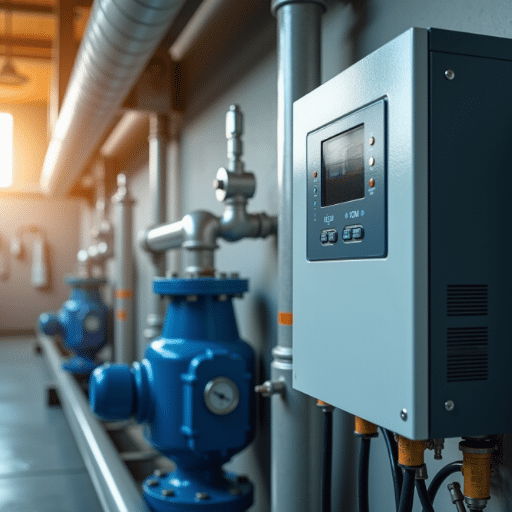
A Variable Frequency Drive (VFD) for wastewater treatment plants controls the speed of aeration blowers, influent and lift station pumps,…
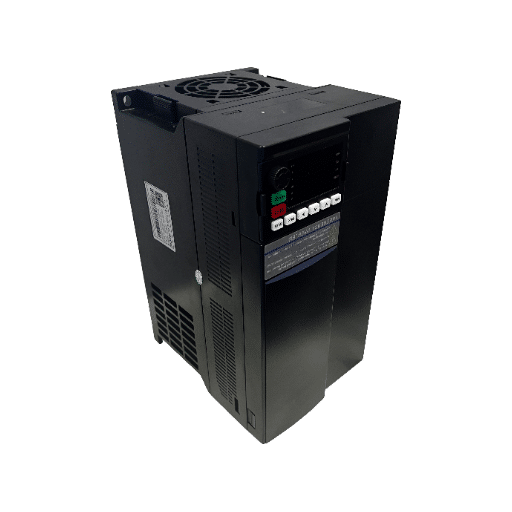
How a VFD improves energy efficiency comes down to one principle: it matches motor speed to actual load demand instead of…
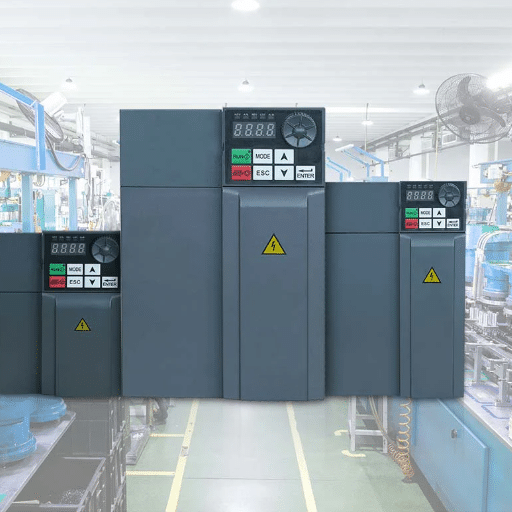
The most common VFD applications in manufacturing industry settings are conveyors, pumps, fans, compressors, machine tool spindles, mixers, and extruders. Across these…

How to configure a VFD comes down to ten steps: lock out power, factory reset the drive, enter the five motor…

Choosing a VFD for pumps vs conveyors comes down to one decision: pumps are variable torque loads that run fine…

A frequency inverter controls a motor by converting fixed-frequency grid power into variable-frequency, variable-voltage output, so the motor’s speed follows…
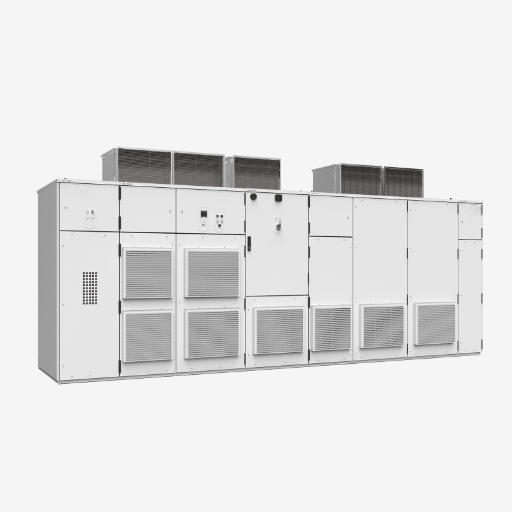
The main benefits of high voltage drives are energy savings of 20 to 40% on large centrifugal loads, elimination of…
VFDs typically save 20-50% of motor energy on centrifugal fans and pumps, 30-60% on cooling tower fans, and 10-25% on…