Ready to Get Your VFD Solution?
Whether you need a single drive or a complete system, we have the VFD products and engineering support to ensure your project's success.


The main disadvantages of a VFD are higher upfront cost, harmonic distortion, EMI interference, motor insulation stress, bearing currents, heat…
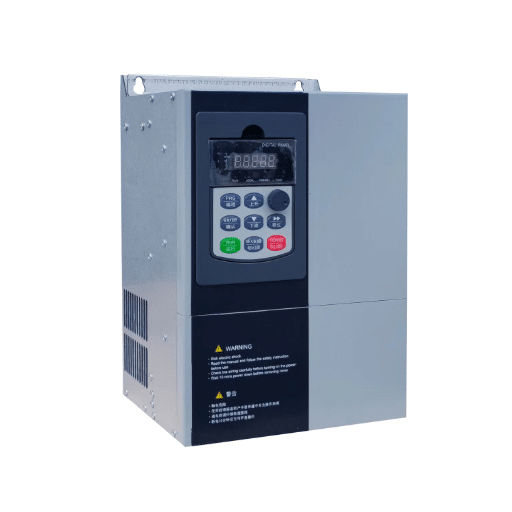
A typical VFD payback period is 6 to 18 months on variable-torque loads like pumps and fans with long runtimes,…
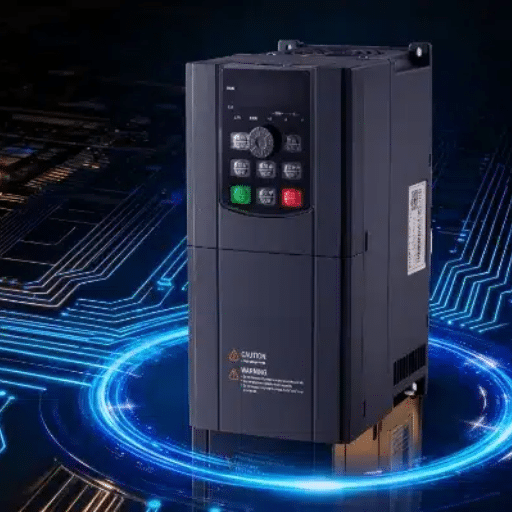
You should use a VFD when your motor needs variable speed, when load demand fluctuates enough to make speed reduction…
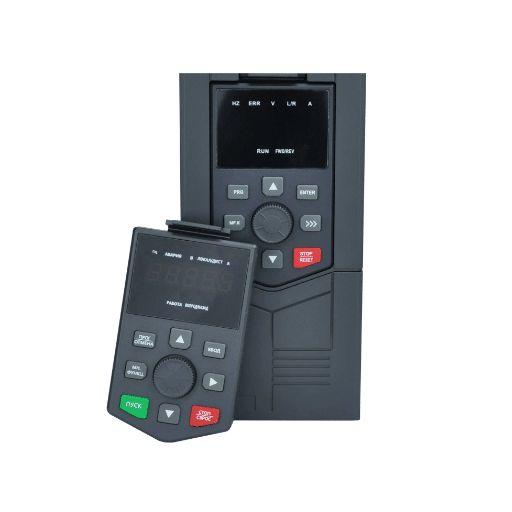
A VFD soft start ramps a motor’s voltage and frequency together from zero to full speed, keeping starting current near…
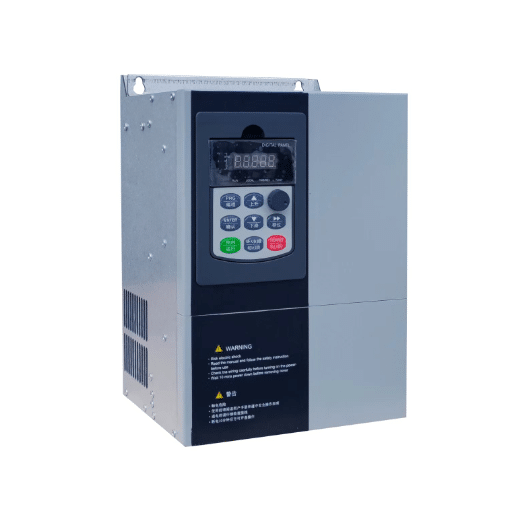
The main advantages of VFDs are energy savings, soft starting, precise process control, longer motor life, built-in motor protection, improved…

The fastest way to recover a failed VFD is to restore a verified parameter file. A proper VFD parameter backup…
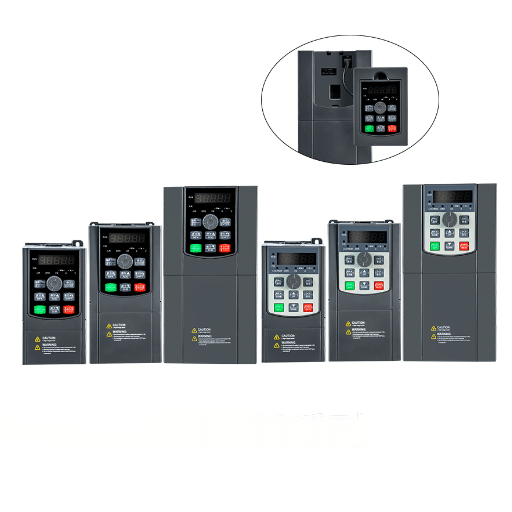
VFD protection settings are configurable parameters that monitor current, voltage, temperature, and mechanical conditions to shut down the drive before…
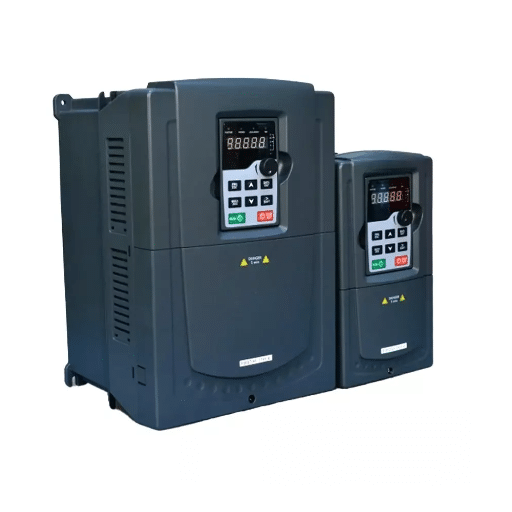
VFD auto tuning is an automated process in which the variable frequency drive measures the connected motor’s electrical characteristics and…
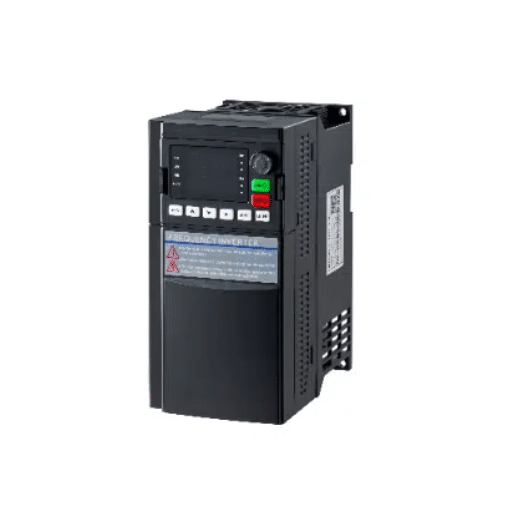
VFD communication configuration is the process of wiring, addressing, and parameterizing a variable frequency drive so a PLC, HMI, or…