Ready to Get Your VFD Solution?
Whether you need a single drive or a complete system, we have the VFD products and engineering support to ensure your project's success.

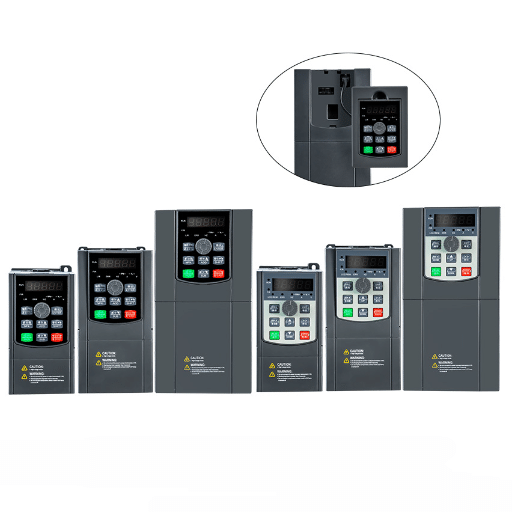
A Variable Frequency Drive (VFD) undervoltage fault indicates that the internal DC bus voltage has dropped below a minimum threshold,…

A VFD ground fault trips when output current leaks from a motor phase to the motor frame or earth instead of returning…

The VFD parameter settings most likely behind nuisance trips are wrong motor nameplate data, acceleration time that is too short, deceleration time…

A VFD overvoltage fault means the DC bus voltage rose above the drive’s safe limit. During deceleration, the motor can act like…

A VFD not running with no fault code is usually in a valid stop or inhibit state, not a hardware fault. The…

A VFD overcurrent fault means the drive detected output current above its protection limit, usually 150-200% of rated current, and shut down…

VFD troubleshooting is the systematic process of identifying why a variable frequency drive has tripped, failed to start, or produced…
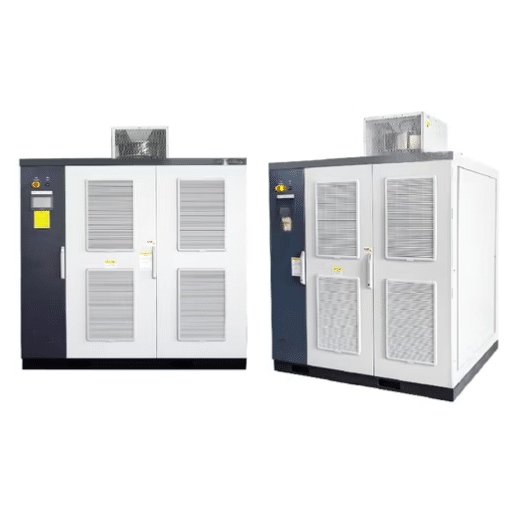
High-voltage VFD harmonics are unwanted frequency components generated when a variable-frequency drive converts fixed-frequency grid power into variable-frequency motor power.…
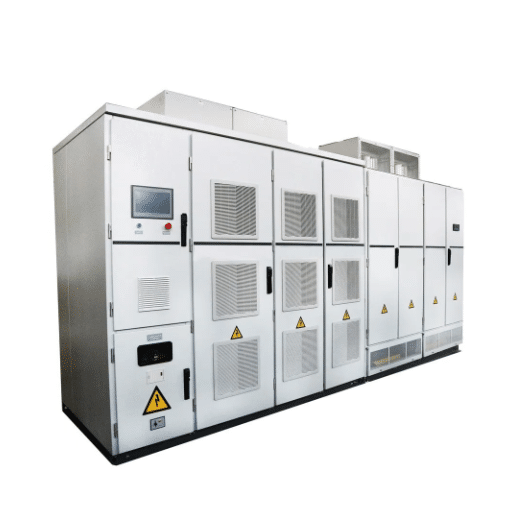
A modular VFD system is built from interchangeable power cells or modules rather than a single monolithic converter. If one cell fails,…