Ready to Get Your VFD Solution?
Whether you need a single drive or a complete system, we have the VFD products and engineering support to ensure your project's success.

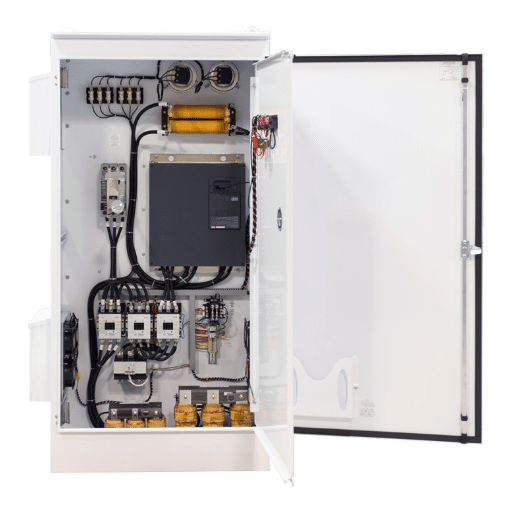
The best way to do harmonic mitigation for VFDs is to match the solution to the real power-quality problem: use…
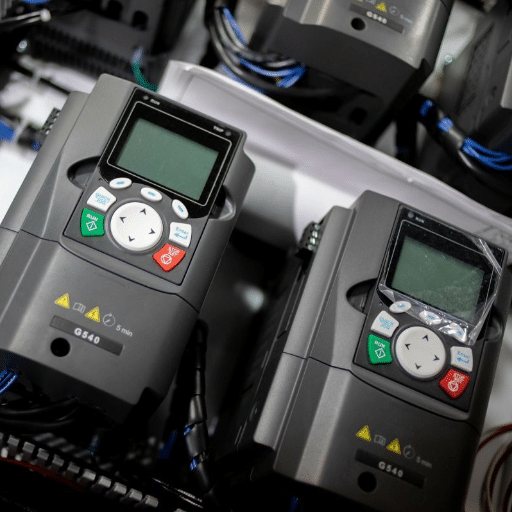
The correct VFD commissioning steps are: verify safety and installation, check supply and motor insulation, power up and enter motor…
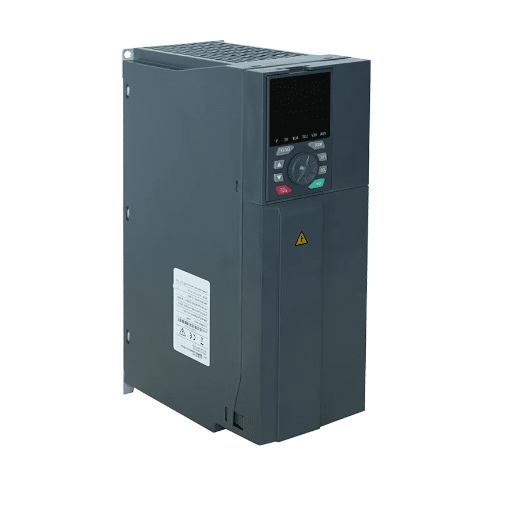
No. Not every motor can run with a VFD. Three-phase AC induction motors are the standard choice. Even then, the…
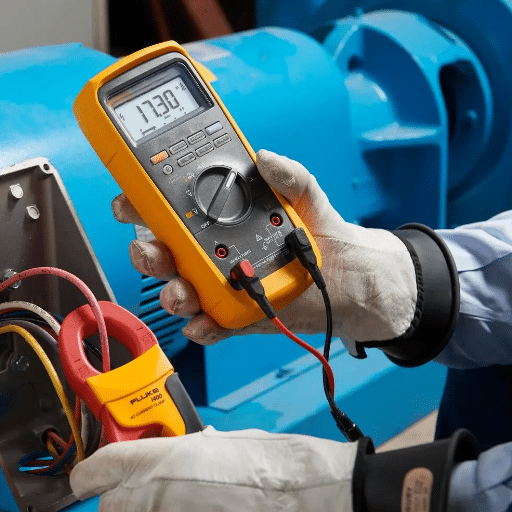
A VFD power calculation tells you exactly how much drive capacity a motor needs so the installation runs reliably without…
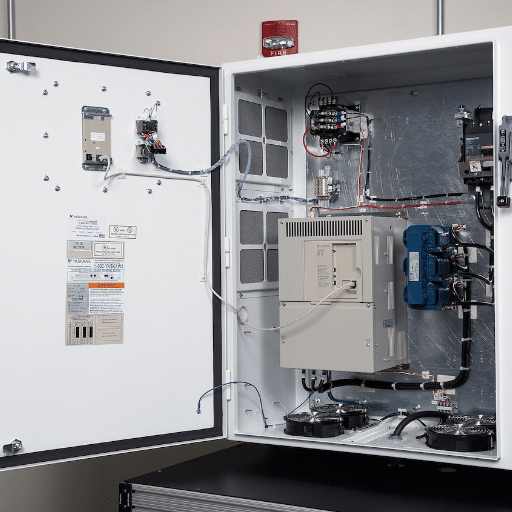
Following VFD installation best practices is the difference between a drive that runs for 15 years and one that fails…
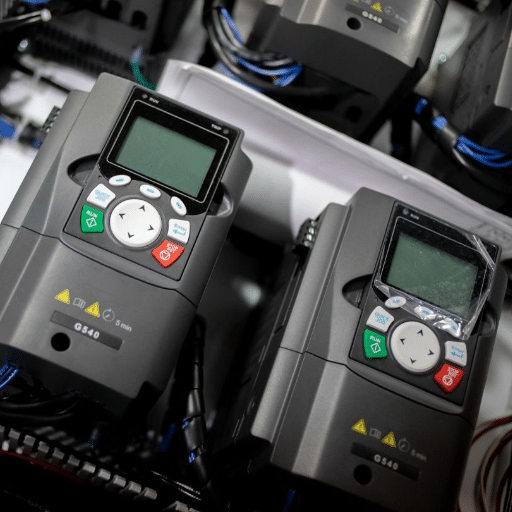
The four main VFD control modes are V/Hz (scalar) control, sensorless vector control, closed-loop vector control, and direct torque control…
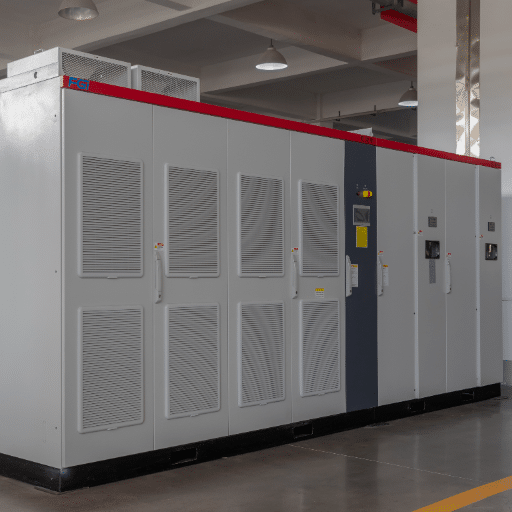
The five VFD load types are constant-torque, variable-torque, constant-horsepower, impact, and starting Correct VFD selection based on load type determines…
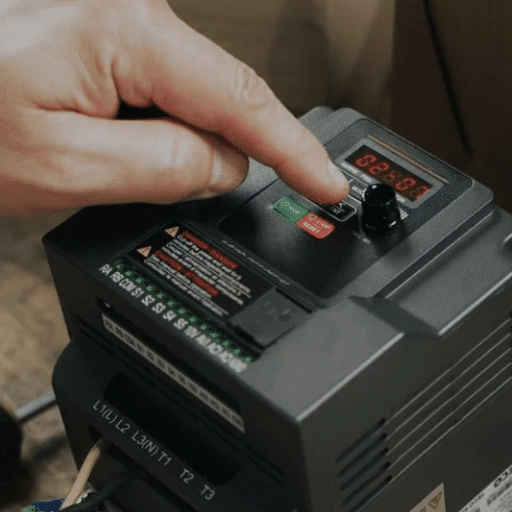
This VFD troubleshooting guide covers the most common VFD troubleshooting issues: overcurrent, overvoltage, undervoltage, overtemperature, ground fault, output phase loss,…

To configure a VFD correctly, you must enter the motor’s rated voltage, current, frequency, and speed from the nameplate, then…