Ready to Get Your VFD Solution?
Whether you need a single drive or a complete system, we have the VFD products and engineering support to ensure your project's success.

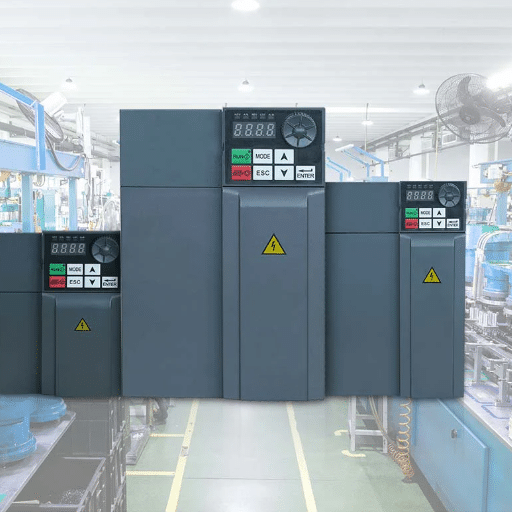
Variable Frequency Drives (VFDs) are used in virtually every industrial sector that relies on electric motors, from water treatment plants…
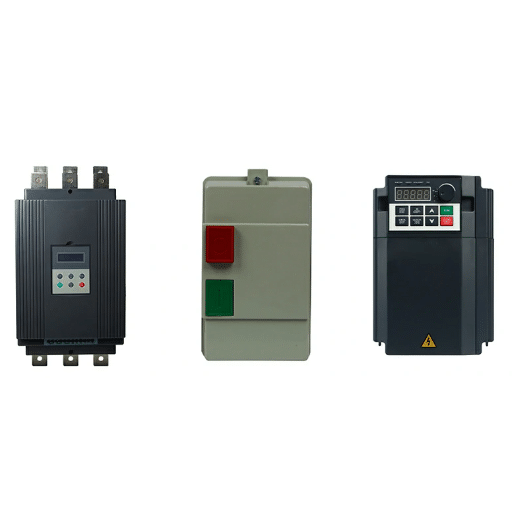
A Variable Frequency Drive (VFD) controls motor speed and saves energy. A soft starter only reduces starting current. The core…
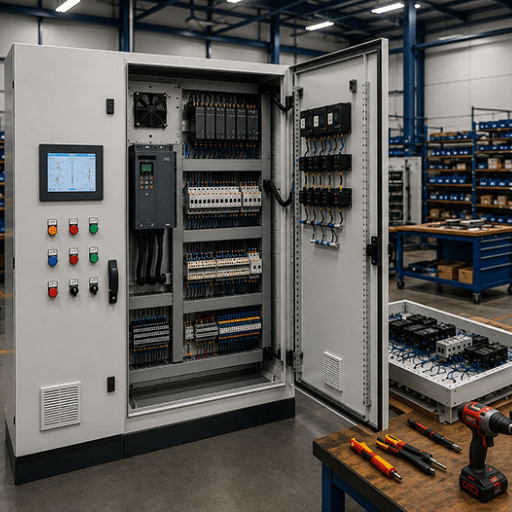
An industrial VFD system is more than a single drive. It is an integrated assembly of the VFD, motor, power…

If you need clarity on the AC drive vs VFD debate, the short answer is simple: they are usually the…
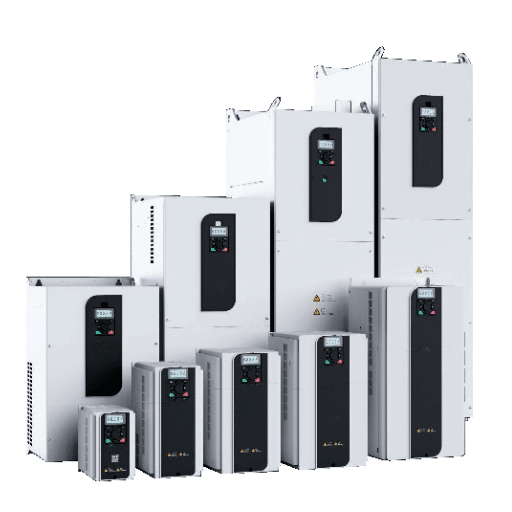
If you need to know how to select a VFD, start with six decisions in this order: voltage class, input…
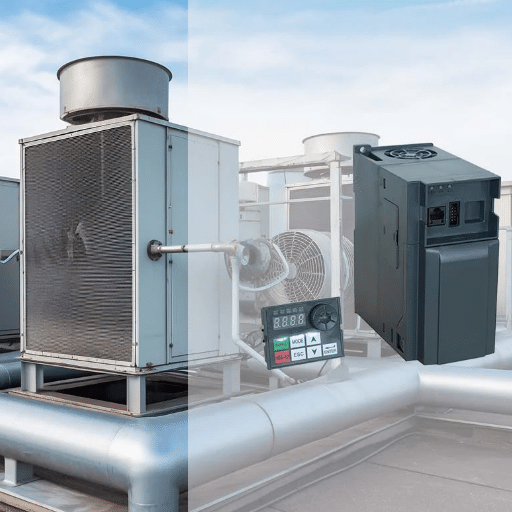
A single VFD on a 100-HP centrifugal pump can save $8,000-15,000 per year in electricity. Multiply that across a facility…
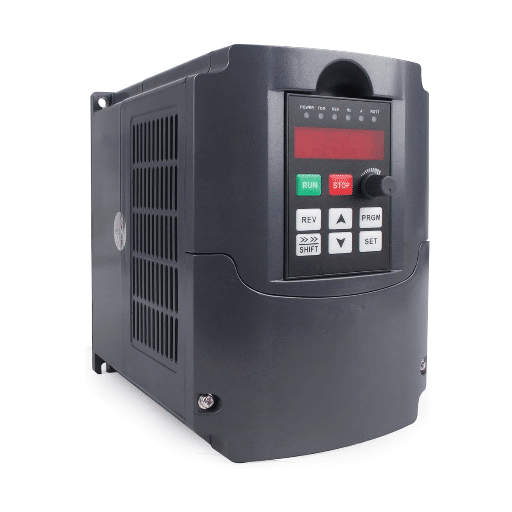
A variable frequency drive — also called a frequency inverter or AC drive — controls motor speed by varying the…
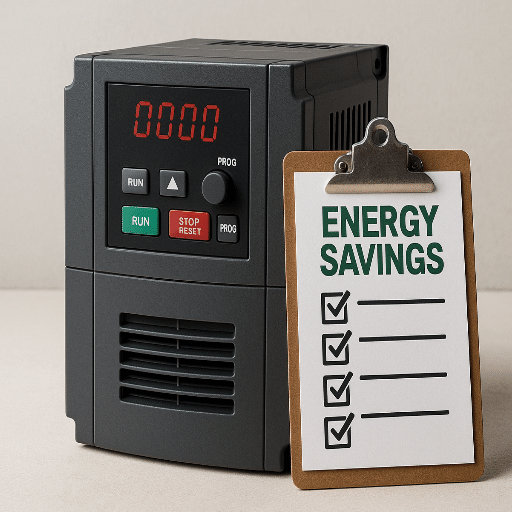
Variable frequency drives deliver seven major benefits. Energy savings of 20-50% on variable-torque loads, soft-start protection that cuts inrush current…
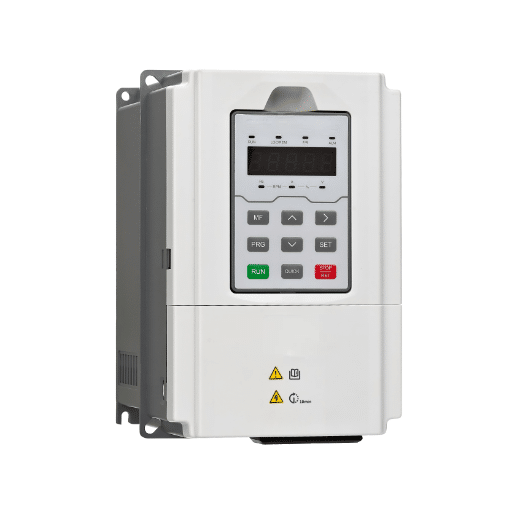
A variable frequency drive works by converting incoming fixed-frequency AC power into variable-frequency AC output through three internal stages: a…