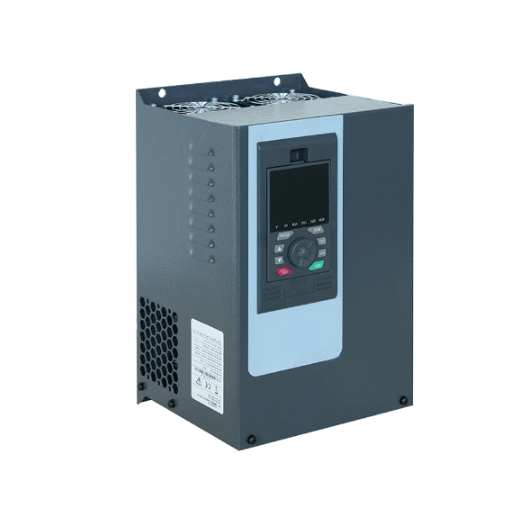
Ready to Get Your VFD Solution?
Whether you need a single drive or a complete system, we have the VFD products and engineering support to ensure your project's success.

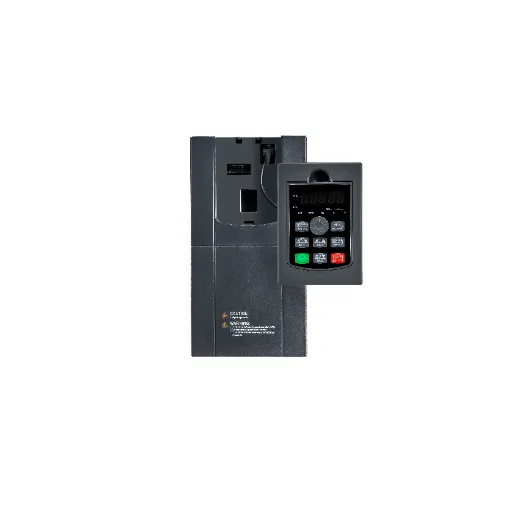
Variable-speed drives, more commonly known as Variable Frequency Drives (VFDs), play a central role in contemporary industrial automation. These sophisticated devices enable optimized operation of electric motors across diverse circumstances, delivering efficiency unmatched by any other available method. VFDs facilitate machine processes, particularly when controlling motors and improving energy efficiency across industries such as manufacturing plants, heating, ventilation & air conditioning (HVAC) units, agriculture, and more.
However, there is an abundance of motor drive designs to choose from. These include AC drive technology, DC drive systems, and related technologies, which require user-specific design choices. Hence, this comprehensive guide will explain how such advanced VFD systems work, illustrate the VFD types and technologies in detail, and emphasize why each type is beneficial. This guide offers a deeper perspective on the basics of VFD applications and driving motor optimization toward desired outcomes.
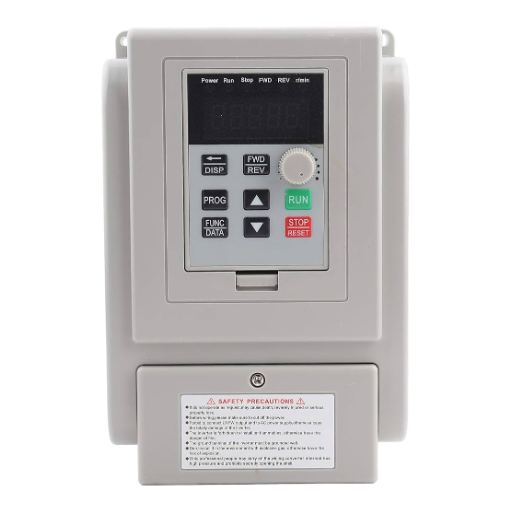
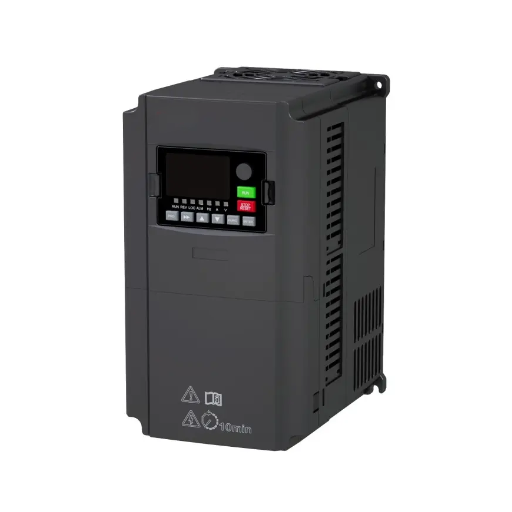
A VFD, or Variable Frequency Drive, is a device that helps regulate the operation of electric motors in terms of both speed and, to a lesser degree, torque. It is a device standard across many industries because it enhances energy efficiency, reduces wear and tear on the motor’s mechanical components, and enables precise control of the motor’s operational dynamics.
In many industrial sectors, chief among them the manufacturing, heating, ventilation, and air conditioning, and water treatment industries, these devices help improve system performance and reduce energy consumption. Motor speed control or adjustment enables reduced energy costs and improved equipment durability.
Variable Frequency Drives (VFDs) consist of several essential components that work together to regulate motor speed and ensure optimal operation. The primary components include:
The primary purpose of a Variable Frequency Drive (VFD) is to regulate an electric motor’s speed and torque by controlling the frequency and voltage supplied to the motor. Essentially, a VFD uses Pulse Width Modulation (PWM), which takes the input power and produces a modulated output power, often used in electrical motor drive systems. By using these techniques, the machine drives offer benefits such as energy management, process control, and reduced mechanical strain on motor components.
The current versions of VFDs feature sophisticated algorithms and sensors that can adapt to load changes in real time. This enables the system to operate effectively across a range of applications, from industrial machinery and equipment to air conditioning. Besides, most of them have energy-saving capabilities such as regenerative braking. This, among other factors, makes them very economical to operate. VFDs are now actively used for such purposes because they contain embedded intelligence and mechanical improvements.
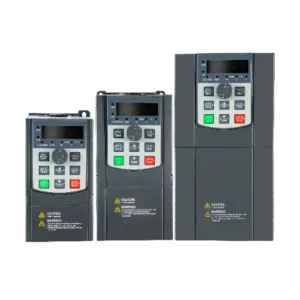
Variable Frequency Drives are an integral part of the current industrial setup. They enhance the plant’s efficiency, reduce energy consumption, and accelerate performance while offering control of motor speed and torque. Practical applications of VFDs are omnipresent across industries that require reductions in operational outlays, wear and tear, and adaptation to production processes. This energy-saving aspect makes VFDs an essential complement.
Variable Frequency Drives (VFDs) are well-known for reducing energy waste significantly in industrial and commercial systems. They have eliminated inefficiencies observed with constant-speed motors by controlling motor speed in accordance with actual production demands.
Essential in areas where accuracy and consistency are key, such as manufacturing, water treatment, and power generation. Variable Frequency Drives enable operators to adjust motor speed to match the individual process precisely.
By maintaining motor speeds and thereby preventing abrupt start-and-stop cycles, VFDs reduce mechanical stress on electrical machinery and minimize wear and tear on its vital components.
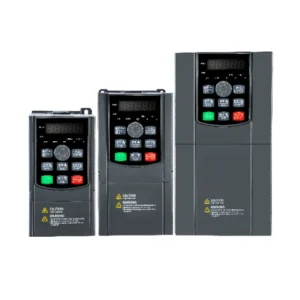
Broad categories differentiate Variable Frequency Drives (VFDs) into AC drives and DC drives, determined by the type of motor they operate.
AC drives, also known as variable-frequency drives (VFDs), are equipment designed to regulate the speed and torque of AC motors by varying the input frequency and voltage. They have become indispensable for returns, performance, and most importantly, the operating efficiency in almost all modern industries.
AC drives save energy by allowing motors to operate only at the speed required for specific tasks, rather than continuously consuming power at full speed. This precise control prevents energy waste, especially in pumps, fans, compressors, etc., where the load during intermittent periods tends to be low. By regulating motor speeds and curbing excessive energy use, AC drives save not only on energy costs but also greatly extend the operational life of machinery, becoming permanent structures of sustainability in the industrial environment.
DC drives are essential for controlling the speed and torque of DC motors to operate efficiently and reliably across a range of applications. They regulate the voltage and current supplied to the motors, ensuring extremely controlled performance. Mainly referred to by manufacturers, transportation, and robotics, simplicity provides greater starting torque, making it a preferred choice for heavy-duty tasks.
While they are typically used when precise control and dynamic response are necessary, AC drives are not suitable for specific applications. Modern DC drives have adopted advanced technologies and are on par with intelligent systems, offering greater operational advantages and significant improvements in energy efficiency, along with access to several types of valuable monitoring and advanced fault-detection instruments, all of which ensure that DC drives remain relevant in industrial automation applications.
Servo drives are among the most essential components in motion control systems. These drives help determine the position, velocity, and torque of servo motors. Such drives operate by taking a command input, comparing it with feedback from the motor, and adjusting the output signals to match the desired movement.
Servo drives are widely used in fields such as robotics, CNC machinery, and automotive manufacturing, primarily for their high precision and efficiency. Real-time measurements, planning, and cloud operations are now entirely digital and connected. The new servo systems offer even more networking capabilities, with advanced algorithms that leverage IoT technology to provide real-time monitoring, predictive maintenance, and flexible communication services. The servo drive, derived from this adaptability and modularity, can be considered one of the most significant pressure points for high-performance automation.
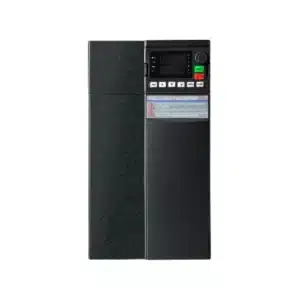
Modern Variable Frequency Drives (VFDs) incorporate several advanced technologies to optimize performance and efficiency:
Contemporary variable-frequency drives use complex control algorithms based on advanced computational techniques to optimize motor performance. The algorithms dynamically adjust machine speed, torque, and power while minimizing energy waste through artificial intelligence and adaptable strategies that respond in real time. They operate through feedback loops and predictive analyses to maintain electrical efficiency during significant fluctuations in load conditions.
Based on the latest search data trends, it is evident that the subsequent benefits of intelligent control will drive the growing popularity of variable frequency drives, contributing to energy savings, automation, and precise motor control across diverse applications. Such public enthusiasm, therefore, underscores the growing importance of intelligent systems in technological applications.
Power semiconductors have witnessed significant advances in recent years, driven by demand for improved efficiency, reliability, and flexibility in industrial and consumer applications. According to the latest search engine data, technologies such as silicon carbide (SiC) and gallium nitride (GaN) semiconductors have seen increased interest over the past few years. These are the two materials shaping the industry today.
The answer lies in their capabilities to address the demands of modern industrial needs, such as renewable energy sources, electric vehicles, and advanced motor drives. SiC and GaN technologies serve as paramount components as industries realign toward energy-efficient, sustainable solutions. The role of their integration is not just technical; it is the driving force behind a green, automated future.
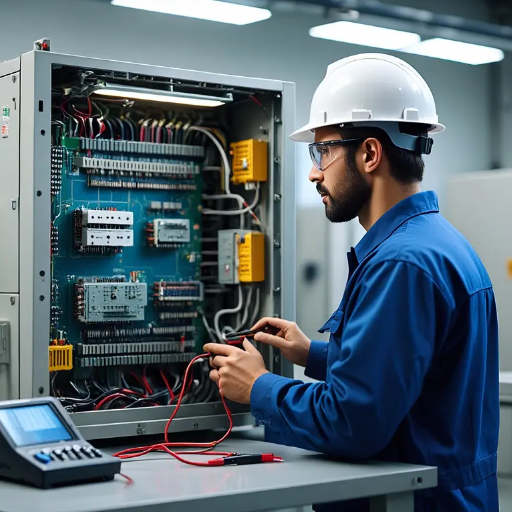
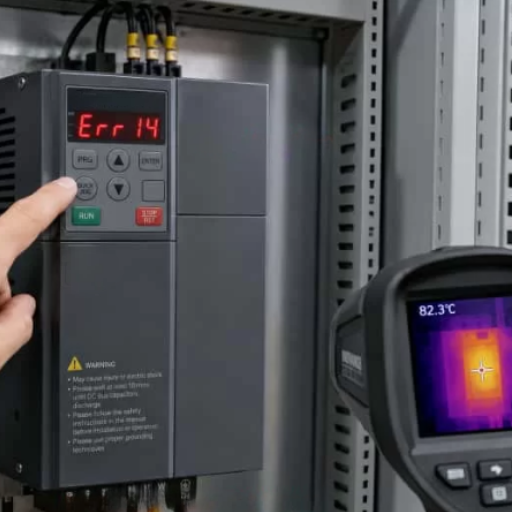
Surely a lifesaver for the reliability and functional foundation of current electronic devices and other power apparatus, such systems embody a splendid fusion of monitoring and fail-safe implementations that provide a quick diagnosis of any trace of probable fault or scare. Perfect measures could never be put into effect upon immediate diagnosis to remedy the fault.
A relevant example would be mature SiC/GaN-based solutions almost saturated with diagnostic tools, offering administrators pristine views of how systems fare in every episode, eventually allowing crowds to spot abnormalities when they occur, avoid downtime, and head off exploitation of the condition. The gist here is that both operational safety and on-site life will see an upturn with such technology, adding another feather to the cap of long-term serviceability while fostering the end-use industries in achieving reliability and sustainability objectives.
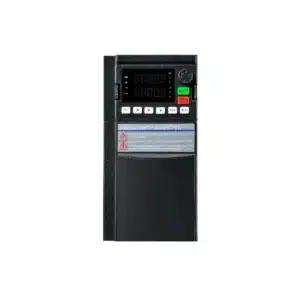
Variable Frequency Drives (VFDs) are utilized across numerous industries to enhance energy efficiency, optimize processes, and improve overall equipment performance.
VFDs regulate motor speed in conveyor systems, pumps, and fans, ensuring precise control and energy savings in production processes.
Widely used in controlling airflow and temperature, VFDs improve energy efficiency and reduce operational costs in commercial and industrial buildings.
VFDs help manage pumps and compressors, ensuring reliable, efficient operation across upstream, midstream, and downstream applications.
Essential for controlling the speed of pumps and aeration equipment, VFDs support efficient water distribution and treatment processes.
VFDs provide efficient control over conveyors, hoists, and crushers, maximizing productivity while minimizing energy consumption.
As of late, VFDs can play a crucial role in achieving energy-efficient HVAC operations and building introductory activities. An often asked question is, “How can building management save energy by virtue of VFDs?”
By controlling the speed of fans, pumps, and compressors throughout the HVAC systems, VFDs will adjust motor output to match real-time demand; thus, a considerable proportion of energy is saved when motors are directly inertial without the investigation of a unit.
35%-50% Energy Savings
Using VFDs in HVAC systems can reduce energy expenditures by 35%-50%, thereby lowering carbon emissions and resulting in significant energy cost savings.
Variable-frequency drives are essential for optimizing energy use and plant performance in any water or wastewater treatment facility. By adjusting the speed of pumps and blowers, VFDs use energy only as the system demands, mitigating fluctuations in consumption.
Let’s take the aeration process as an example. In the oxidation defense, VFDs will adjust airflow rates based on biological oxygen demand to minimize over-aeration and energy waste.
Recent statistics quote energy savings of approximately 25%-60% for VFD-operated plants, with the percentage depending on system configuration and load variations. This benefits operations in two ways: operational gains for the local government and the insurance of an indirect reduction in greenhouse gas emissions.
Here are five professional and authoritative reference sources related to “VFD Types and Technologies” that you can use to verify the correctness of the information: