Ready to Get Your VFD Solution?
Whether you need a single drive or a complete system, we have the VFD products and engineering support to ensure your project's success.

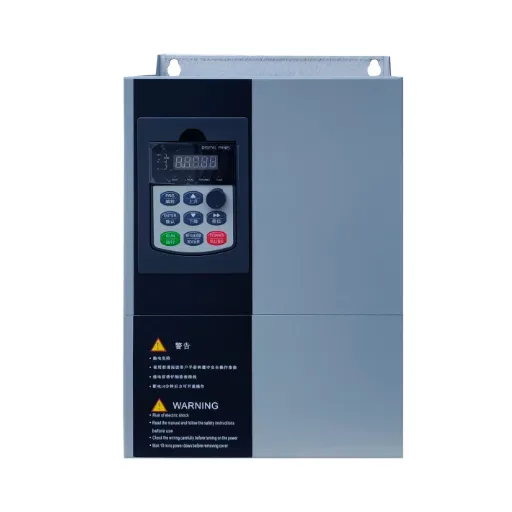
Variable Frequency Drives (VFDs) are essential for precise motor control in modern industrial and commercial applications, thereby improving efficiency and performance. What is it that makes a VFD operate without any problems? Knowing its parts will not only clear up the mystery of this technology but also provide helpful tips for optimizing, maintaining, and diagnosing the system. This paper will take you through the key components of a VFD, explaining their roles and how they work together to provide reliable, versatile motor control. If you are an engineer, a technician, or just curious about how these devices operate, this detailed analysis will surely give you the understanding you need.
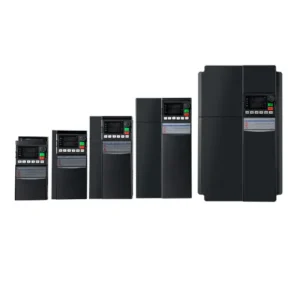
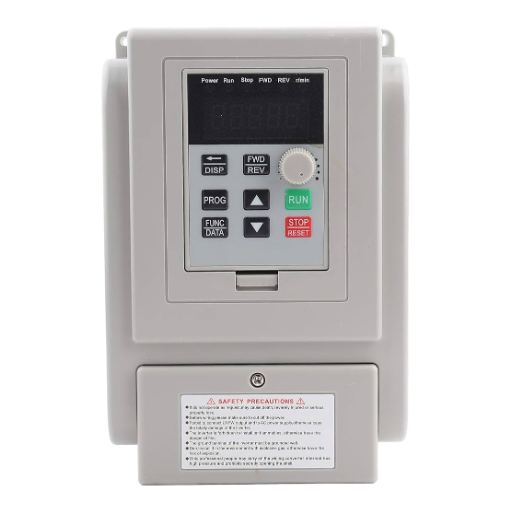
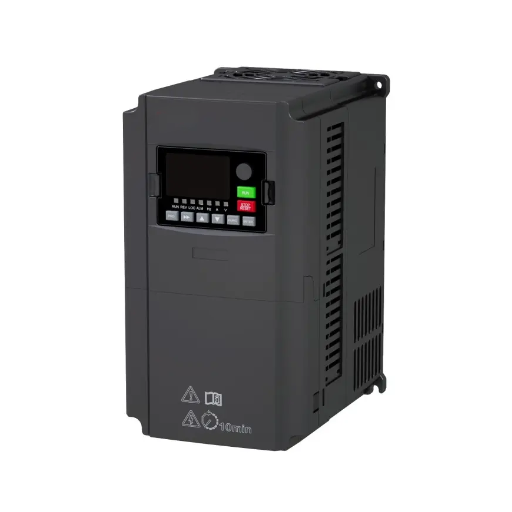
A Variable Frequency Drive (VFD) comprises several key components that work together to efficiently control motor speed and power. These components include:
The power input stage of a Variable Frequency Drive (VFD) converts the incoming AC power from the utility supply into DC power, which the motor control subsequently uses as the variable output. This process, called rectification, is usually performed using either a diode group or a controlled rectifier. The rectifier provides a smooth, efficient conversion while minimizing power losses and maintaining a stable DC voltage. The combination of advances in rectifier technology with solid designs enables higher efficiency and improved performance even in demanding industrial applications.
The DC intermediate stage is an essential component of the energy conversion process, not only storing but also stabilizing energy in the form of direct current. This stage is crucial for motor drives, renewable energy systems, and power supply applications. The DC intermediate stage not only helps eliminate rectification-induced voltage fluctuations but also provides a steady voltage level vital to the proper functioning of downstream devices. Modern design practices, such as more efficient filter capacitors and active energy storage systems, have enabled the entire process to operate with lower ripple voltage, thereby increasing efficiency and improving energy management.
The operating principle of Variable Frequency Drives (VFDs), which control the speed and torque of electric motors, relies heavily on modulation techniques. One of the most popular of these methods is Pulse Width Modulation (PWM), which primarily controls motor operation by regulating the length and frequency of the voltage pulses. By PWM, the voltage frequency can be varied, achieving optimized motor performance, reduced energy consumption, and less noise during operation.
Modern research in this field, backed by data, has revealed new modulation methods, such as Space Vector Pulse Width Modulation (SVPWM), which indeed improve the already good performance of the PWM method by reducing total harmonic distortion and energy losses. The sophisticated techniques use very clever algorithms to produce waveforms that are really smooth and, at the same time, much more compatible with the designs of new motors. The never-ending evolution of modulation techniques, together with VFDs, provides dynamic flexibility and makes them a must-have for production lines moving towards energy-efficient, green operations.
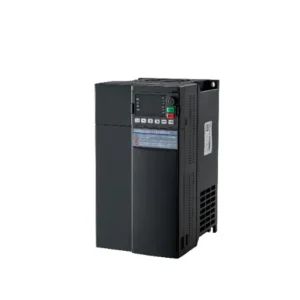
The latest developments in Variable Frequency Drive (VFD) technology have primarily focused on energy savings, reliability, and improvements in system integration. Up-to-date VFDs are equipped with sophisticated digital control systems that enable continuous monitoring and diagnostics, thereby improving operational efficiency and minimizing downtime. It is also worth noting that the combination of IoT connectivity has enabled remote access and predictive maintenance, thereby improving system reliability. Furthermore, more efficient cooling systems and miniaturized structures have been instrumental in thermal management, thus leading to the creation of smaller yet more efficient units. All these advancements are in response to the growing need for intelligent, cost-effective VFDs that can be used across many sectors.
The integration of the Internet of Things (IoT) with Variable Frequency Drives (VFDs) transforms the landscape of industrial systems by enabling higher-level connectivity and functionality. The VFDs connected to IoT can gather, process, and transmit data instantly, enabling predictive maintenance and dramatically reducing downtime. VFDs enable remote monitoring and control without interruption, allowing users to fine-tune system performance from almost anywhere. The combination of the latest breakthroughs in data processing and analytics makes these innovative systems more reliable than ever, as they can predict failures and even make the necessary adjustments to prevent them, thereby maintaining efficiency and extending their intended lifespan even in demanding industrial applications. The trend of IoT adoption continues to rise, driven by the industry’s need for automation and increased productivity.
The trend toward miniaturization and compact design in industrial systems significantly influences the development of variable-frequency drives (VFDs). Nowadays, VFDs, which are more compact and efficient than ever, enable industries to cut energy consumption while reducing the physical footprint of their equipment. This change aligns with the requirements of modern manufacturing, which call for space-saving solutions and higher performance. With the help of advanced materials and innovative technologies, small-sized VFDs not only have the same but also greater functionalities than their larger counterparts.
Modern VFDs feature advanced safety features, which are the main reasons operational safety and equipment reliability are guaranteed. Among these features are the so-called built-in overcurrent protection, thermal monitoring, and fault detection systems, which, together, help prevent equipment failures and reduce the risk of hazards.
Besides that, many VFDs are constantly adapting to the market and thus offer safety protocols such as Safe Torque Off (STO) and Safe Stop functions, which not only disconnect motor power instantly during emergencies or maintenance as an additional security measure but also save time. The best possible scenario of IoT-enabled VFDs giving rise to real-time data analysis and remote diagnostics is that these things are all working together to enhance the capabilities of predictive maintenance which translates to—stations being uninterrupted and hence machines working at their best. This mix of ingenious safety mechanisms not only meets the requirements of modern industries but also maintains the very high safety standards that are becoming increasingly stringent.
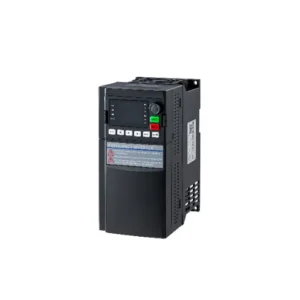
Variable Frequency Drives (VFDs) are prevalent across industries because they can reduce energy costs while improving process control. One of the major industries to adopt the technology is HVAC, where VFDs control the motors that drive fans and pumps, thereby reducing energy consumption by a significant amount while providing steady airflow and temperature control. VFDs are also used in the metal and plastic manufacturing industries, where they precisely control the speed of conveyor belts and machinery, thereby improving product quality and reducing maintenance costs.
One of the most striking examples is the case where VFDs were installed in a water treatment plant. The plant reduced its energy costs by 30% after installing VFDs in its pumping systems, while maintaining the same pressure and flow rate. This resulted in lower operation costs and helped the company to achieve its sustainability targets.
Similarly, VFD technology was embraced in farming to cascade irrigation system technology, enabling water delivery at the crop level, reducing waste, and enhancing yield.
Variable Frequency Drives (VFDs) have made a significant impact on similar areas of manufacturing and automation controls. These areas have all benefited from the excellent efficiency, very high precision, and energy savings that VFDs in industrial operations have enabled. The electric motor VFDs are building up to the wind-up and down of the drive speed and torque, which take the machines to the best points and levels set according to the specific job or task. This advancement not only reduces energy consumption but also extends the lifespan of existing machines by reducing mechanical stress.
One of the frequent questions is: How is modern manufacturing benefiting from VFDs? The answer lies in their characteristic feature: the ability to switch between workloads without hiccups. For instance, in the newly streamlined assembly lines, VFDs can control conveyor belt speed to match production, ensuring a smooth, precise flow. Besides, integrating VFDs with IoT systems enables real-time monitoring and data analysis, allowing operators to spot inefficiencies and make quick corrections. It is this triplet of adaptability, energy saving, and innovative tech that highlights the crucial part VFDs are playing in the development of automation in the manufacturing sector.
The integration of Variable Frequency Drives (VFDs) into Heating, Ventilation, and Air Conditioning (HVAC) systems significantly enhances energy efficiency and operational control. VFDs enable motors to run at variable speeds, so the system’s output is very accurately adjusted to real-time demand. This practice has the dual benefit of reducing energy use and prolonging the life of HVAC equipment by minimizing wear & tear associated with gradual start-up and shutdown.
💡 Key Energy Insight:
Energy data indicates that VFDs, in conjunction with the HVAC system, can reduce power consumption by 30-50%, depending on the specific application & configuration. Not to mention, VFD-operated systems enable advanced energy management compatible with IoT and AI, thereby optimizing predictive maintenance and energy use based on environmental and occupancy data. Therefore, the technology has been adopted by industry, commerce, and residential areas alike, resulting in significant reductions in operational costs and a more eco-friendly approach.
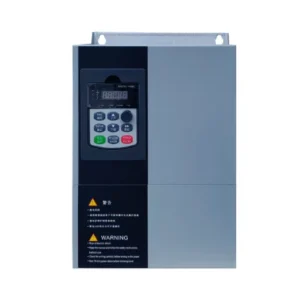
Variable Frequency Drives (VFDs) offer numerous benefits but also pose drawbacks and challenges. One such drawback is that the initial installation cost is usually high, which could be an obstacle for small businesses or home users, as it would be a significant investment. Moreover, VFDs can generate electrical noise or harmonics in the power system, which may interfere with other equipment, requiring the installation of filters to suppress the noise as a solution. Maintenance and repairs will also be tricky, as VFDs often need an expert to perform troubleshooting. Lastly, specific environmental conditions, such as very high or low temperatures and very humid conditions, may affect VFD system performance and lifespan, so it is mandatory to incorporate suitable protection measures during design and installation.
In the case of Variable Frequency Drives (VFDs), initial costs and installation complexity often have a decisive influence on the decision to proceed. VFD systems are usually more expensive at first than fixed-speed motor controls due to their high-tech nature and the quality of the components used. Besides, incorporating VFDs into existing systems is a significant step that requires meticulous planning, from selecting equipment with the appropriate specifications to ensuring proper system configuration. According to the latest figures, these challenges are not in vain: energy consumption over time and reduced equipment wear are expected; therefore, the investment becomes an option for plants that want to be more efficient. Nevertheless, organizations need to thoroughly evaluate their specific requirements and financial capabilities to determine whether the advantages of VFD systems outweigh the initial costs and technical challenges.
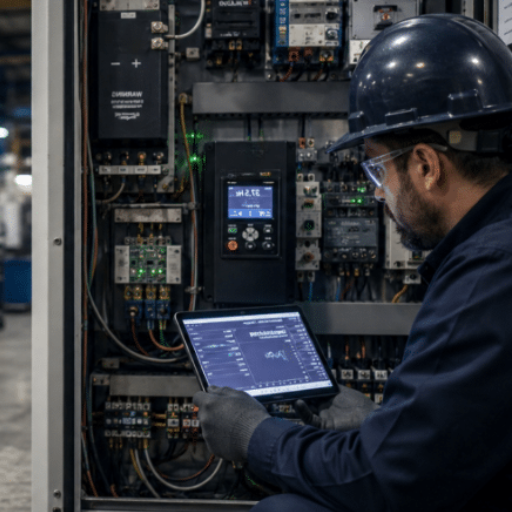
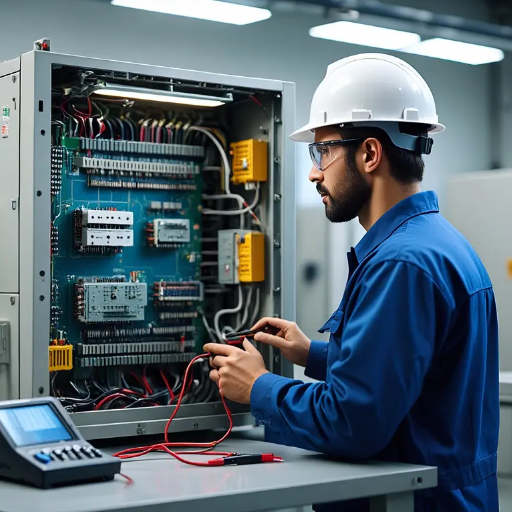
It is proper care and technical know-how that guarantee the best operation of Variable Frequency Drive (VFD) systems. Cleansing, checking connections, and watching for signs of wear or overheating should be the principal activities during regular maintenance. Sometimes companies ask, “Is it worth investing in specialized training for our team?” The answer is yes, period. Making the team technically capable reduces downtime and extends equipment life, which later translates into savings and operational reliability.
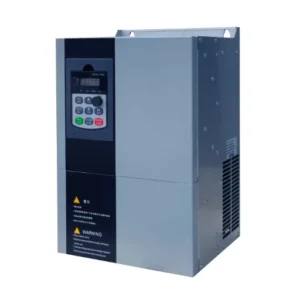
Variable Frequency Drives (VFDs) are not only keeping up but also leading the tech pack, thanks to breakthroughs specifically targeted at introducing new, energy-efficient, performance-improved systems. One major trend is the use of innovative technologies, which have enabled VFDs to synchronize with IoT platforms for real-time monitoring and preventive maintenance. This development allows companies to identify problems at an early stage and, therefore, lessen their impact on productivity.
Moreover, the adoption of energy-efficient algorithms is bringing forth a new generation of VFDs. Such an operation can optimize a motor’s speed based on load, resulting in significant energy savings. The designers of VFDs are also developing smaller, lighter units that do not compromise on performance, making them suitable for a range of industries.
Lastly, sustainability is now a mantra, so manufacturers are turning to ‘green’ materials and ‘green’ production methods for their VFDs to contribute to the worldwide effort to reduce environmental footprints. These developments are a clear indication of the decisive role VFDs play in the construction of green and effective industrial systems.
In industrial applications, the use of Variable Frequency Drives (VFDs) with modular, field-mountable designs is gaining increasing popularity. These designs change the operational flow, enabling companies to adapt their systems to the specific requirements of the operation without major renovations, using modular components. Maintenance and troubleshooting are also easier, as the modular parts can be replaced or upgraded separately. Field-mountable units are also a bonus in this regard, as they can be installed at the equipment site, reducing the need for extensive wiring and addressing space constraints. Recent data shows that the term “field-mountable VFDs” has experienced a spike in search interest, indicating increasing demand for robust, decentralized solutions that can easily integrate with existing systems. The operational efficiency and reduced downtime, which have been concerns of industries for a while now, are the very aspects that have made these advanced designs so popular, highlighting the economic benefits they offer.
The intelligent pump system optimization leverages cutting-edge VFDs and the Internet of Things to improve energy use and operations significantly. The most recent statistics from the search engine indicate an increase in the number of people searching for “smart pump monitoring systems”, which means that manufacturers are moving towards (more) real-time performance tracking and predictive maintenance solutions. This optimization addresses the most challenging issues directly, such as how companies can minimize energy costs and operational interruptions. The response to this question is the integration of intelligent control systems with data-driven insights, so that pumps operate at optimal performance, thereby providing an advantage in terms of equipment longevity and reduced maintenance costs.
VFDs, or variable-frequency drives, are essential for controlling motor speed and torque with high accuracy, thereby optimizing industrial processes. When coupled with advanced automation software, they allow industries to save significant energy, increase machine reliability, and improve overall operational efficiency. This kind of technology uses data analytics and machine learning algorithms to provide continuous performance monitoring, maintenance alerts based on predictions, and supply changes in response to demand fluctuations.
Here are three professional and authoritative reference sources for verifying the correctness of your article on “Variable Frequency Drive Components Explained”:
Title: Variable Frequency Motor Drive Application
Description: This academic resource provides insights into the application and analysis of variable frequency drives, including their components and operational principles.
Title: A Review Paper on Variable Frequency Drive
Description: This paper offers a comprehensive overview of VFDs, including their operation, components, and key terms, making it a valuable resource for foundational understanding.
Title: Analysis Guide for Variable Frequency Drive Operated Centrifugal Pumps
Description: This guide focuses on the application of VFDs in centrifugal pumps, providing detailed analysis and technical insights into VFD technology.
The main components of a variable frequency drive (VFD) include the rectifier, DC bus, inverter, and control circuit. The rectifier converts AC input voltage to DC; the DC bus smooths the voltage; the inverter converts DC back to an adjustable AC output; and the control circuit regulates the frequency and voltage supplied to the motor.
A VFD controls the speed of an AC motor by varying the frequency and voltage supplied to the motor. By adjusting the output frequency, the VFD can increase or decrease the motor speed to meet the desired operational requirements.
Insulated gate bipolar transistors (IGBTs) are crucial in the inverter section of a VFD. They act as electronic switches that convert the DC voltage from the DC bus back into AC, which can be modulated to achieve the desired motor output frequency and voltage.
Variable-frequency drives are commonly used with AC induction motors and permanent magnet motors. These motors are well-suited for variable-speed applications, enabling precise control of motor performance.
Yes, a VFD can control both the frequency and voltage supplied to the motor simultaneously. This capability enables optimal performance across various operational conditions, resulting in efficient energy use and improved motor control.
PWM, or pulse-width modulation, is a technique used by VFDs to control the voltage and frequency output to the motor. By varying the pulse width in the output waveform, the VFD can effectively adjust the motor’s speed and torque while maintaining a consistent voltage level.
A variable frequency drive is a specific type of adjustable-speed drive that utilizes varying the frequency and voltage to control motor speed. While all VFDs are adjustable-speed drives, not all adjustable-speed drives operate on the principle of variable frequency; some may use other technologies, such as mechanical means or hydraulic systems.
To ensure the VFD operates correctly with the motor, it is essential to match the VFD type and specifications with the motor’s requirements. This includes ensuring compatibility with the motor’s voltage and frequency ratings and properly configuring the VFD controls for the specific application.
Adjusting the frequency in a VFD application enables precise control of the motor’s speed and torque. This capability is particularly beneficial in processes with variable loads, where the demand can change frequently, ensuring efficient operation and energy savings.