Ready to Get Your VFD Solution?
Whether you need a single drive or a complete system, we have the VFD products and engineering support to ensure your project's success.

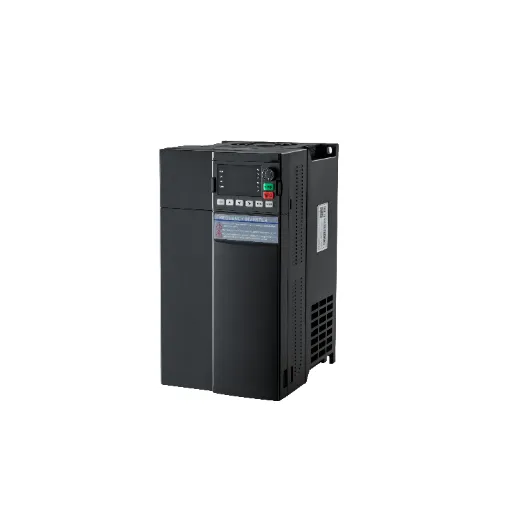
Variable Frequency Drives (VFDs) are the foundation of the evolution of many industrial and commercial applications, enabling precise motor control, energy efficiency, and operational flexibility. However, a VFD is a comparatively complex device, and, like any machine, it has its fair share of problems. To maintain peak VFD operation, a blend of maintenance principles and proper troubleshooting protocols is advised to resolve common issues quickly. Whether you identify yourself as an already skilled technician or as an enthusiastic facility manager who wants to optimize their facilities, this article uses practical and insightful suggestions to guide you toward proficiency in the maintenance and troubleshooting of VFDs. Essential strategic plans, expert advice, and handpicked tools will improve the system’s reliability and extend the VFD’s lifespan.
Variable Frequency Drives (VFDs) control the speed and torque of electric motors by controlling the input frequency and voltage. They are used in various applications to enhance energy efficiency, reduce mechanical wear, and maintain the process. VFDs use a fixed AC transformer to invert it into an adjustable-frequency output that, in turn, controls motor performance. VFDs can significantly reduce energy consumption by matching torque to requirements; thus, the flexibility of application and operation has been enhanced. They are necessary for modern industrial and commercial systems.
A Variable Frequency Drive (VFD) consists of several critical components that work together to control the speed and torque of an electric motor. These components include:
Variable Frequency Drives (VFDs) are widely used across industries for their control and energy efficiency. For instance, VFDs controlling fans, pumps, and compressors in HVAC systems ensure precise control of airflow and system pressure. In key industrial applications, such as the control of conveyors, mixers, and extruders — i.e., speed and torque modulation — VFDs are essential to keep the process operational. Furthermore, water and wastewater treatment plants use VFDs to regulate pump flow and pressure. This reduces energy use and extends the equipment’s lifespan. With such increased focus on sustainability and energy efficiency, VFDs will continue to advance into renewable energy systems and innovative grid technologies. This indeed seems to align with this postmodern corner’s demand for green solutions.
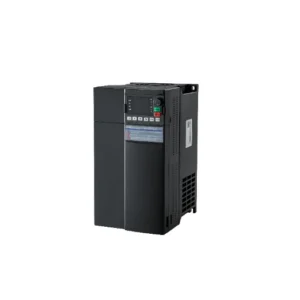
VFDs can overheat due to inadequate cooling, excessive ambient temperatures, or improper installation. Overheating may lead to reduced device performance or failure.
Sudden voltage surges can damage VFDs, leading to malfunctions or permanent failure. Proper grounding and surge protection help mitigate this issue.
VFDs can introduce harmonic distortion into power systems, potentially affecting other equipment. Installing filters can reduce harmonics and maintain system integrity.
Older or incompatible motors may experience reduced efficiency or damage when paired with VFDs. Ensuring motor and VFD compatibility is essential.
Incorrect programming or parameter settings can cause performance issues, such as erratic motor operation or energy inefficiency. Careful setup and regular monitoring are critical.
One major issue with Variable Frequency Drives (VFDs) is overheating, which is often unnecessary and can result from poor ventilation, overloading, or improper installation. Such VFDs, when overheated, may not perform as well, fail to last long, or be generally poor performers. Tackling this situation with an uninterrupted action plan is very important. This includes ensuring heat is dissipated outward by placing VFDs in well-ventilated environments and using other cooling systems, such as fans or heat sinks. Regular maintenance is essential, too. Modern VFDs may also include temperature protection mechanisms that shut down the entire installation, thereby averting subsequent damage in the event of high temperatures. Addressing overheating problems, therefore, becomes essential for improved reliability and the timely reduction of maintenance costs, associated downtime, etc., in VFD systems.
Motor and cable stress is a central issue when adding VFDs. Rapid switching of VFDs can cause voltage spikes and reflections, stressing the motor insulation and shortening the motor’s life. Recent research indicates that the best cables with maximum voltage rejection are those equipped with either an output filter or a dV/dt filter. Furthermore, it cannot be emphasized enough that well-shielded cables should be used exclusively for inverter-duty motors. Addressing these issues through front-running not only eliminates the risk of equipment failure but also ensures long-term efficiency and operability.
1
Ensure all cables and connections are secure and undamaged. Look for loose terminals, frayed wires, or improperly shielded cables that may cause interference or inefficiency.
2
Verify that the motor is rated for inverter duty. Using a non-compliant motor can lead to overheating or premature failure.
3
Confirm that filters are correctly installed and functioning. These filters help reduce voltage spikes and protect the motor.
4
Use a multimeter to check for irregularities in voltage or current levels. Compare the readings with manufacturer specifications for your system.
5
Verify that the drive’s parameter settings match the requirements of the motor and load. Improper configurations can lead to inefficiencies or erratic performance.
6
Run the system under typical operating conditions to check for any unusual noise, vibrations, or performance inconsistencies.
7
If issues persist, reference the equipment manuals for specific troubleshooting advice. Manufacturers often provide detailed guides for resolving common problems.
8
If the problem remains unresolved, contact a qualified technician or the equipment manufacturer for support. Document all troubleshooting steps for better communication.
One rule for inspecting the mechanical parts of each machine is to initially check visible areas for wear and tear, such as frayed wires, loose connections, or equipment damage. This inspection should focus on parts prone to tension or frequent movement, as they are more likely to develop issues over time. Good maintenance or cleaning is another way to avert a potential breakdown: it allows any pest damage or debris to be discovered when it’s still minor enough to make repair easy.
Make sure you cross-reference the error code to the unit’s manual or official documentation to get an insight into what might be the cause. By combining the most up-to-date data from search engines, you may be able to identify trends or standard solutions in the code. By entering the error code and the equipment model number in the query box, you may be directed to a forum discussion board, a couple of troubleshooting guides, or the official website, where valuable information is readily available. The sources must be reliable and pertinent to your issue so that it may be answered most adequately and efficiently.
Frequently check equipment for signs of wear, damage, or loose connections to identify potential issues early.
Keep parts clean and free of dust or debris to prevent malfunctions caused by blockages or overheating.
Adhere to the recommended maintenance schedule and procedures outlined in the equipment’s manual.
Ensure all moving components are properly lubricated to reduce wear and prevent unnecessary friction.
Observe the equipment’s performance over time and track any changes, such as unusual noises or efficiency drops.
Swap out worn or defective components as soon as possible to avoid further damage to the system.
Educate operators and maintenance personnel on proper handling and basic troubleshooting techniques to reduce user errors.
Routine maintenance assessments are an essential segment of equipment maintenance in terms of invigoration. Inspections can uncover issues before they get out of hand and escalate into expensive disasters. The checklist should include an analysis of all critical systems, inspection of moving parts, and inspection of the safety mechanism. The use of advanced tools, such as thermal imaging and vibration analysis, will provide more detailed information on the equipment’s performance and may also reveal areas that need attention.
When combined with up-to-date search engine data, proactive maintenance significantly extends equipment life and reduces downtime. Seeking phrases like “benefits of preventive maintenance” and “equipment failure prevention” become trending searches as people become familiar with the concept, emphasizing that the implications are transferable across industries. Organizations can further benefit from the optimum integration of maintenance tasks with the latest tools and actionable intelligence to keep operations flowing and limit fallout.
In affirming system quality and operational relevance, parameter backups prove indisputably pivotal. Fresh data from search engines confirms recent moves by organizations in placing greater attention on strategies to cushion vital configurations. Filters toward such terms as ‘best practices of backup and recovery’ and ‘security of the parameter data’ indisputably showcase where the industry is heading. Therefore, routinely generated and updated parameter backups shall protect these configurations and, secondly, expedite their resets and avoid significant time loss during unanticipated events. This stance is genuinely realistic in that it holds on to transforming into a collective PR exercise for the fortification of the system’s general and related resilience within the framework of an operational dimension.
Parameter data management prospects are integrating automation and AI to improve accuracy and productivity. Parameters are continuously saved and updated via an automatic backup regime, helping prevent human errors. More computation within this framework comes in the form of AI, which may draw clinically informed predictions and help prevent foreseeable shortcomings in the systems. The cloud’s popularity is increasingly established, as it enables secure, scalable storage and limitless global team access. This entire dramatic transformation allows an organization to rapidly adapt whatever approach it deems fit to its tomorrow-ready enhancements.
More innovative connectivity is an amalgamation of cutting-edge technologies, including 5G, IoT (Internet of Things), and edge computing, designed to create smooth communication across devices and systems. With the latest data from search engines on 5G networks, industries can offer blazingly fast speeds and lower latency than ever before. This shift is crucial to supporting real-time applications that include autonomous vehicles, remote healthcare, and smart cities. More innovative connectivity is essential to improve data collection, enable better analysis, and, in turn, boost efficiency across sectors. These innovations answer the cry for corroborative, dynamic, and interconnected systems in an increasingly digitalized ecosystem.
The compelling framework for processing and analyzing vast amounts of data in real time comes from integrated systems and an up-to-date combination of the search engine, executed alongside one another. Such a combination enables a business or organization to come up with deep insights into user behaviors, market trends, and possible future needs with unnecessary doing. With a high level of intelligence, advanced algorithms, and the deployment of machine learning capabilities, integrated data front-end systems thereby address consumer demands at an early stage or even optimize supply chain operations. Best of everything is the active integration of systems and search engine data to ensure that all decisions are scientifically supported, thus allowing innovation to flow with ease across industries.
Sustainability considerations in Variable Frequency Drive (VFD) design focus on increasing productivity while minimizing energy waste. Using modern approaches enables the identification of current trends affecting green VFDs and recent developments in this field. For instance, one of the most recent studies shows that sectors such as factories and plants are more inclined to purchase energy-saving devices, particularly smart VFDs designed for variable-speed operation. Such motors are less power-intensive and more environmentally friendly. Such trends enable early detection of issues and more efficient development of durable products suited to climate change, thereby aligning with these targets.
Here are five professional, authoritative sources for verifying the accuracy of your article on “VFD troubleshooting and maintenance.” These sources include academic papers and professional websites:
This academic paper provides detailed insights into VFD installation, commissioning, and troubleshooting processes.
A white paper discussing the benefits, potential problems, and best practices for building reliable VFD systems.
Published on IEEE Xplore, this paper explores the impact of VFDs on motor safety and operational life, including troubleshooting techniques.
This IEEE paper discusses predictive maintenance practices for VFDs and their future industrial applications.
An article from Gale Academic OneFile focusing on the importance of proper maintenance and preventative measures for VFDs.
Common VFD problems include overcurrent faults, voltage drop, and failures of internal components. Issues like overheating due to inadequate cooling or corrosion on circuit boards can also cause the VFD to malfunction. Regular inspection and maintenance practices can help identify these problems early.
Troubleshooting a VFD fault involves checking the VFD’s control panel for fault codes and reviewing the fault history. You should also inspect the input voltage, output voltage, and ensure that connections are tight. Using an oscilloscope can help diagnose issues related to control signals and voltage fluctuations.
A fault code is a specific code displayed on the VFD’s control panel indicating a particular issue. Each fault code corresponds to a specific problem, such as a high-bus fault or an overcurrent condition. Refer to the VFD manual to interpret the fault codes and understand the necessary steps for resolution.
Proper maintenance for a VFD includes regularly checking the VFD’s control panel and vents for dust buildup, inspecting internal components for corrosion, and ensuring the cooling system is functioning correctly. A preventive maintenance schedule can help prevent unexpected VFD failures and extend the unit’s life.
To ensure efficient VFD operation, maintain proper input and output voltage levels, and regularly check circuit connections for tightness. Monitoring the cooling system and addressing any hot spots can also help maintain efficiency. Additionally, training operators on VFD control can enhance performance.
If you encounter a high bus fault, first check the DC bus voltage levels. Ensure that the power supply is stable and that there are no short circuits. Inspect the capacitors and other internal components for damage or failure. If necessary, consult the manual for guidance on resolving high bus faults.
The frequency of VFD maintenance depends on the operating environment and usage. However, it is good practice to perform inspections at least quarterly. For critical applications, monthly checks may be required to monitor for corrosion, overheating, and other potential issues that could lead to VFD failure.
PLCs interact with VFDs to provide control signals for speed control and operational commands. They help automate processes and enhance overall system efficiency. Proper integration between PLCs and VFDs can optimize performance and reduce the likelihood of faults.