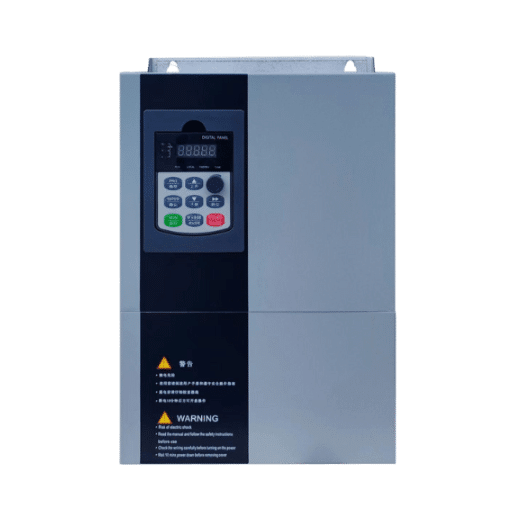
Ready to Get Your VFD Solution?
Whether you need a single drive or a complete system, we have the VFD products and engineering support to ensure your project's success.

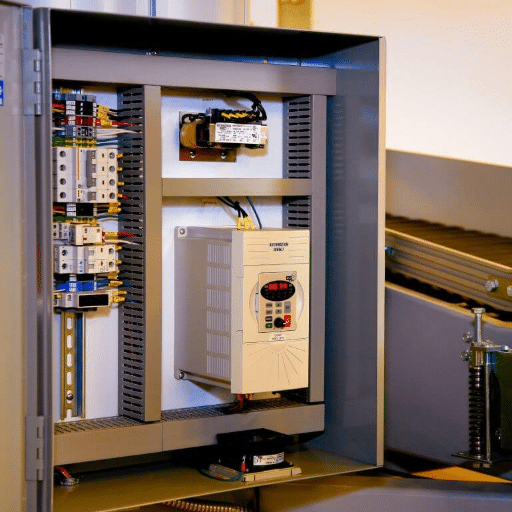
The efficient operation and control of conveyor systems are crucial in current material-handling applications, which are driven by efficiency, reliability, and adaptability. Among the tools used to operate conveyor systems, Variable Frequency Drives (VFDs) have proven to be the most effective, not only by providing precise, controllable load-handling capabilities but also by offering features suited to industrial requirements. The article investigates the principal role of VFDs in enhancing conveyor operations, demonstrating how they reduce power consumption, protect against mechanical wear, and increase system efficiency. With knowledge of VFD functionality and the advantages of VFDs, businesses may be able to employ this technology to alleviate burdens in material movement and, at the same time, enhance operations.

Variable-frequency drives (VFDs) are devices that regulate the speed and torque of electric motors by adjusting the power supplied to them in terms of frequency and voltage. They are widely used in industrial applications not only to provide precise motor control but also to improve energy efficiency and reduce equipment wear. VFDs reduce energy consumption considerably by allowing motors to operate only at the speed required by the task, rather than at constant speeds. In this way, not only are daily operating costs reduced, but the components under stress are subjected to minimal wear, thereby demonstrating that VFDs are essential and highly effective tools for system performance, efficiency, and reliability.
The Variable Frequency Drive (VFD), also called an Inverter or Adjustable Speed Drive, is an electrical device designed to control the speed and torque of electric motors by varying the frequency and voltage of the power supplied to them. VFDs employ advanced semiconductor technology and control algorithms to optimize motor performance across a wide range of applications. They are transforming the automotive process, enabling precise speed regulation and accommodating varying load demands with ease.
Variable Frequency Drives or VFDs have found applications in various industries, including manufacturing, HVAC systems, water treatment plants, and renewable energy systems. By using motor startup as a soft start, they reduce mechanical stress and may also benefit the environment by lowering energy consumption in applications requiring variable speed. With the advanced VFD systems now available, one can rely on the built-in diagnostic and communication features to enable an easy, intelligent connection to guest control and automation systems. The facilities not only ensure continuous operation but also incorporate the previously mentioned fault-avoidance aspect.
Variable Frequency Drives (VFDs) are key to improving conveyor system performance by precisely controlling motor speed and torque. The frequency- and voltage-modulation process performed by VFDs on the electric motor ensures that acceleration and deceleration are sufficiently smooth to minimize stress on the conveyor and wear components. This level of control, which keeps the motor running at the ideal speed, makes the systems highly efficient when the loads they process are variable and when different material types require different speeds.
The latest VFDs incorporate advanced algorithms and sensors that monitor the load in real time. They can detect variations in material weight on the conveyor and control the motor speed to maintain stable throughput. In addition, many systems incorporate regenerative braking, which captures and recycles energy during deceleration, further increasing energy efficiency. Moreover, the integration of VFDs with industrial IoT platforms now enables predictive maintenance. This allows the operators to monitor vibration, temperature, and motor current performance metrics, thereby optimizing uptime and avoiding costly failures.
Note: The table above is optimized for all devices. Scroll horizontally on mobile devices to view all columns.

Variable-frequency drives (VFDs) are essential for simplifying conveyor system operations across major industries. By collaborating with the human brain to manage the conveyor, VFDs significantly increase material-handling efficiency and reduce mechanical stress on the equipment. Moreover, VFDs enable gradual start-up and shutdown, thereby extending the conveyor component life cycle and protecting motors from destructive conditions during operation.
In addition to the above, VFDs are essential for energy conservation, as they can reduce motor speed when the load is lower rather than maintaining a constant speed. This is particularly advantageous in the mining, manufacturing, and logistics sectors, the latter of which typically requires conveyors to operate under fluctuating load conditions. Consequently, organizations can replace VFDs with legacy systems to enhance system reliability and realize greater cost reductions, along with the associated environmental, economic, and social benefits.
Variable-frequency drives (VFDs) are crucial to the operation of bulk material handling systems. The VFDs are used for precise control of both conveyors and motors. The motor speed is modulated in accordance with the specific application requirements. The VFDs thereby minimize start-up torque and, consequently, the mechanical stress on known materials of conveyor belts and other components. This feature is well-suited for heavy-load applications in which frequent stop-and-start operations can significantly reduce the service life of the equipment.
Moreover, implementing VFDs enables more efficient energy consumption. The motors are run at the most suitable speeds, and the motor system adjusts to the load variations. This can lead to a saving of up to 30% of the total energy, depending on the application. This advantage makes VFDs a cost-effective investment, as they are a reliable and efficient solution for materials handling, such as grain, sand, and ore.
One of the latest enhancements in VFD technology is the addition of sophisticated communication protocols and predictive maintenance algorithms. The introduction of the latter two features enables operators to integrate systems with IIoT (Industrial Internet of Things) platforms, allowing continuous, real-time monitoring and diagnostics. Not only that, but these capabilities also raise the problem of extending equipment lifespan, and, ultimately, this will be achieved in a sustainable and scalable way with the proper use of computing to support agriculture, mining, and construction in these sectors.
One of the most innovative applications of Variable Frequency Drives (VFDs) is in conveyor motor controls, where they enable energy savings by maintaining precise speed and torque control. Power consumption is a key area in which variable-speed drives implement energy savings, as they match motor speed to load requirements, thereby reducing unnecessary energy consumption and lowering operational costs while contributing to overall sustainability targets. This is particularly important for conveyor systems that operate continuously and are prevalent in the logistics and manufacturing sectors, because even a slight increase in system efficiency can yield significant long-term power savings.
Moreover, VFDs reduce noise by smoothing the acceleration and deceleration of conveyor belts. This feature not only sustains the equipment but also serves as an essential safety factor when handling products. Some high-end VFDs are equipped with regenerative braking, which enables energy recovery during deceleration. The energy thus obtained is usually returned to the system, thereby increasing its efficiency and further reducing the environmental impact of the operations.
By integrating features such as online monitoring and adaptive control, intelligent VFDs enable conveyor systems to adapt autonomously to varying conditions. This way, performance will remain stable, and downtime will be minimized. These advancements are intended to demonstrate that VFDs play a significant role not only in advanced automation projects but also in green manufacturing practices.
Variable-frequency drives (VFDs) are a critical component of motor speed management systems, thereby using only the energy necessary. There will be considerable savings in energy consumption, particularly in systems with varying loads.
VFDs’ removal of jerks that typically occur during speed changes enables maintenance cost savings by reducing wear and tear on mechanical components such as motors and belts. These conditions also extend the equipment’s service life.
VFDs simplify processing in many complex material-handling systems by enabling finer process synchronization through minute variable-speed changes. This leads to minimal variation in material flows through the systems and a reduction in downtime.
Among other things, VFDs are used in the control of the rate of acceleration and deceleration, making their role in the reduction of the harmful effects on the environment through the prevention of work-related accidents and the creation of a safer workplace environment more evident.
Changes in load or production requirements are not a problem for conveyor systems controlled by VFDs, as their instantaneous adaptability enables handling of such situations without interruption.
Variable-frequency drives (VFDs) are indispensable for energy conservation in industry. They have such a drastic impact that they reduce the energy wasted by stock-speed systems relative to VFDs. In other words, research indicates that 50% savings can be achieved with only a 20% reduction in speed — a cubic relationship between speed and power consumption.
Moreover, the availability of VFDs helps to reduce operational costs as well as energy consumption. The latter is achieved by reducing wear and tear on mechanical parts, extending the motor’s service life, and lowering maintenance costs. These systems are also part of global energy standards and therefore comply with rules that emphasize sustainability. Overall, the implementation of VFDs saves not only money but also the environment by reducing carbon emissions.
With the application of Variable Frequency Drives (VFDs), the power and motion control capabilities in motor-driven systems are no longer static but are now dynamic and nearly fully realized. Since the speed and torque are set in precise accordance with application requirements, VFDs enhance process accuracy and operational efficiency, which is beneficial. These are the three main benefits observed in the manufacturing, heating and cooling, and water treatment industries, which are characterized by variable volume requirements.
The modern technologies and methods of the most recent VFDs have reached a level of maturity that enables their integration with other processes in the IoT. This enables it to collect data in real time and allows operators to leverage the new information available to them. By monitoring the system, the performance during downtime can be ascertained, and decisions can be continually linked to the data available. The other point is that the VFDs can be adjusted not only by being easily set to the appropriate parameters but also by providing substantial flexibility.
The primary function of the design of modern Variable Frequency Drives (VFDs) is to increase mechanical wear protection while simultaneously significantly reducing part motion. VFDs may be attributed to these power transmission and braking units, which are also primarily responsible for wear and tear during abrupt speed changes. Apart from this, the presence of VFDs and their built-in programmable soft-start and soft-stop features warrants particular attention. This is mainly because smooth acceleration and deceleration, reduced occurrence of mechanical shock, and extended lifetimes of system components are among the benefits associated with this technology. It is also common across almost all case studies and extremely conservative operational strategies that VFD-based systems require less maintenance and have a longer lifespan. The VFDs’ load regulation capability is, in fact, the primary factor that increases the parts’ life expectancy and reduces wear and tear on the machinery. Over time, this also results in lower operating costs and improved reliability of the overall industrial system in a wide range of applications.

The proper implementation of Variable Frequency Drives (VFDs) is essential for energy conservation and operational management. The speed mismatch between the motor and the process is the primary cause of energy dispersion in VFDs; reports suggest that VFD use may yield considerable energy savings of 30–50% in some instances. In addition, controlling motor speed prevents wear and tear on motor components, thereby prolonging its service life.
VFDs, when appropriately used, also provide a considerable boost to process control by making operations more predictable, enabling the plant to perform its intended functions more efficiently. To maximize these benefits, it is essential to ensure proper installation, programming, and compatibility with existing motor configurations. Further improvements in system efficiency and reliability are achieved by strictly following the manufacturer’s instructions and regularly subjecting the system to maintenance checks.
The process of selecting a Variable Frequency Drive (VFD) necessarily entails examining several critical factors to ensure proper system operation and compatibility. In view of this, the key tasks are determining the energy-use mode and the associated power requirements, so that the selected VFD model can perform the job. Additionally, it is essential to know the conveyor load types, specifically the torque required during startup and operation, to ensure continuous operation without waste.
Another critical consideration is the environment in which the VFD is located. For a conveyor operating under severe conditions, such as dust, moisture, or temperature extremes, select a VFD with an appropriate enclosure rating, such as NEMA 4 or NEMA 12, to ensure greater protection and durability. The advanced features, such as integrated communication protocols (e.g., Modbus, Ethernet/IP) and programmable logic controller (PLC) compatibility, should be prioritized to ensure seamless integration into modern industrial systems.
Ultimately, among long-term operational costs, the analysis of energy efficiency metrics and Total Harmonic Distortion (THD) levels can be influential. VFDs equipped with energy-saving algorithms and low THD outputs help protect power quality and reduce electricity demand. It is advisable to go for a drive with these factors, as it not only helps achieve efficient conveyor operation but also meets industry standards and sustainability goals.
Incorporating Variable Frequency Drives (VFDs) into your conveyor system step by step is essential for achieving compatibility and efficiency, and for minimizing operational stoppages. The process should begin with a detailed evaluation of the existing system, including the electric motor specifications, load requirements, and electrical infrastructure. It should be noted that the agreement between the VFD and the motor is paramount, as incorrect voltage or current ratings can cause loss of efficiency or even damage to the equipment during operation.
After you have selected the correct drive, the next thing is to modify the electrical control circuit so that the VFD becomes an integral part of the system. This step typically entails rewiring the motor circuitry to enable connection to the VFD and ensuring proper earth and shielding to minimize electromagnetic interference (EMI). The cooling of the VFD’s control equipment must also be appropriately managed, as the devices can generate substantial heat, which can reduce both performance and lifespan.
After installation, parameter adjustments must be made carefully to optimize the system. The main parameters include the acceleration and deceleration rates, torque limits, and operational frequency settings. The advanced monitoring technologies integrated with VFDs enable real-time energy consumption analysis, failure detection, and system diagnosis, facilitating precise adjustments to meet operational demands.
Ultimately, compliance with local and international standards, such as IEEE or IEC regulations, is most critical to a retrofit that is both safe and efficient. The adoption of these standards by the improved system enables energy savings, extends equipment life, and supports long-term operational goals.

The development of Variable Frequency Drive (VFD) technology aims to transform conveyor systems by increasing efficiency, precision, and environmental sustainability. The use of electronic logic and controller circuitry in drives is a significant factor enabling this integration and, consequently, the possibility of achieving an efficient conveyor system that reduces energy consumption. Furthermore, the presence of streamlined communication networks, such as the Internet of Things (IoT), enables industries to locate their plants where human intervention is minimally required, if not absent.
Another notable innovation is the transition to compact, modular VFD designs, which make installation and system scalability easier. Regenerative braking is now a common choice because it enables the recovery and reuse of energy generated during braking, which goes hand in hand with the strengthening of already strict energy-efficiency regulations. Taken together, these tendencies indicate that customers increasingly want, demand, and expect smarter, more sustainable conveyor operations, which is only possible through new VFD technologies.
The increasing sophistication of control characteristics’ integration and the enhancement of the utility and productivity of variable-speed drives (VSDs) have enabled rapid progress in this technology. Among the most critical recent advancements in this technology is the usage of preventive maintenance algorithms. They are dedicated to embedded sensor data and serve as a means of identifying potential future problems, thereby increasing the operational duration of assets. Moreover, VSDs have broadly adopted Industrial Internet of Things (IIoT) connectivity, enabling seamless integration with corporate-level monitoring systems. This ensures centralized control and analysis, resulting in overall operational efficiency over time.
The subsequent noteworthy development is the use of new power electronics that employ silicon carbide (SiC) and gallium nitride (GaN) semiconductors; consequently, the power-conversion and thermal performance of VSDs will determine their suitability for the most demanding industrial applications. In sum, the above developments demonstrate the importance of enabling VSDs to upgrade industrial plant operations. At the same time, it occurs that the operations have to be highly efficient, probably even more stringent than before, and still very reliable.
The convergence of automation and the Internet of Things (IoT) has dramatically enhanced the capabilities of Variable Speed Drives (VSDs) in industrial sectors. Automation provides complete control and synchronization of VSD operations, enabling them to run without human intervention. IoT extends this by allowing the VSDs to communicate with other interconnected devices and systems, thereby streamlining operations and enabling real-time data sharing. One example is IoT sensor-supported predictive maintenance, which can continuously monitor the performance and health of VSDs and provide pre-maintenance alerts if components no longer meet the required quality standards. In addition, it can reduce maintenance costs and improve operational reliability.
Besides that, the Variable Speed Drives (VSDs) enabled with IoT can have advanced analytics among their features, as sensor data can be combined through the cloud-based processing to have energy optimizations and operational efficiency. The trends of the future show that the infrastructure of the IoT will intermingle inevitably with the artificial intelligence (AI) technologies; thus, there will be made possible untypical decision-making and the continuous reconfiguration of the industrial systems. With these profits increasing, such companies are not only becoming more productive but also contributing to the optimization of the entire energy system, and they demonstrate that automation and IoT are key drivers of sustainable industrial operations.
It is predicted that the coming years will see a significant increase in the use of variable-frequency drives (VFDs) in material handling and related systems, driven primarily by the growth of digital technologies and evolving industrial requirements. As Industry 4.0 becomes increasingly prevalent, VFDs will be integrated into sophisticated, innovative factory systems and leveraged to optimize performance through real-time data and predictive analytics. Moreover, improvements in motor control algorithms could substantially enhance both precision and energy efficiency, reducing costs by nearly 1/3 of the total.
A significant part of the future is that VFDs will be widely used in automated and robotic material handling. Communicative VFDs, which are fully interfaced with high-level communication standards such as EtherCAT and PROFINET, will be part of the context of next-generation automation platforms. As a result, the system’s responses can be rapid, reliable, and readily adaptable to new demands. The surge in demand for VFDs, which are energy-efficient, is driven by new power-efficiency regulations that align with environmental trends. Systems such as regenerative braking systems and low-harmonic drives, which are on the horizon, will significantly reduce energy use while still meeting the global mandate.
According to that report, one would expect that VFDs will not only grow in number but also play a significant role at the core of future material handling systems, thereby, together with the other mentioned industries, shaping the future of industrial automation and energy efficiency.
Summary: This paper evaluates strategies to improve electric power quality in VFD systems for scraper conveyors.
Summary: This literature review examines energy-saving technologies in belt conveyors, with a focus on VFDs.
Variable-frequency drive conveyors are among the most effective means of steadily reducing power output when load requirements are low, thereby reducing power losses during periods of low demand. Smooth acceleration and deceleration are the most general benefits of a variable-frequency and voltage drive, thereby minimizing power and heat losses in the application. The energy savings from using a VFD can be even higher when the drive is combined with regenerative braking, which returns power to the system during heavy deceleration. To some extent, proper integration and coordination with power-line and torque-control strategies ensure that the conveyor uses only the power required by the process.
Attention to wiring standards, grounding, and the selection of inverter-duty motors capable of variable-frequency operation is necessary for installing a VFD conveyor. Use shielded motor cables and EMI filters to eliminate harmonics and mitigate electrical interference in the vicinity of the equipment. The VFD parameters should be set to enable gentle motor start-up and shutdown to prevent premature failure of mechanical components, such as belts, gearboxes, and loads. Communication with PLCs or SCADA systems ensures that speed commands are accurate and that they provide feedback and safety interlocks.
Yes, many existing conveyors can be equipped with VFDs to improve efficiency and control without replacing mechanical components. The retrofitting process typically involves selecting an appropriate VFD and tuning parameters after the motor type, gearbox ratios, and control architecture have been evaluated. To enhance process handling and reduce mechanical stress, features such as soft start, torque control, and PLC integration can be added during the retrofit. Compliance with the facility’s power quality requirements may demand the consideration of harmonic mitigation and filtering in the circuit.
Regular maintenance of VFD-operated conveyors includes physical inspection of VFD enclosures, cleaning fans and heat exchangers of accumulated dust, and verifying proper airflow to prevent overheating. Firmware upgrades and parameter backups are expected to be performed at regular intervals to ensure safe, quickly recoverable system operation. Regular audits of motor connection cables and grounding quality should be conducted to prevent interference- and distortion-related problems. Data from the plant is continuously monitored and captured through PLC communication or an embedded monitoring solution to identify anomalies in torque or frequency at the earliest opportunity.