Ready to Get Your VFD Solution?
Whether you need a single drive or a complete system, we have the VFD products and engineering support to ensure your project's success.


The importance of proper flow control and efficient energy use in today’s water treatment plants cannot be overstated, as precision and sustainability remain the key drivers of success. Variable Frequency Drives (VFDs) are an essential part of efforts to reach the abovementioned aims, as they are the most flexible units for pump and motor control. The following sections explain how VFD technology enables effective flow control, minimizes energy consumption, and slashes costs in the water treatment sector. Whether you are after the technical side of it or its practical and obvious merits, with this guide you will not be in the dark, as it will open your eyes to the many ways in which the VFDs have been changing the water treatment processes, to the point of being the highlight, i.e., the very ones that have made the performance and greenness standard for water treatment applications.
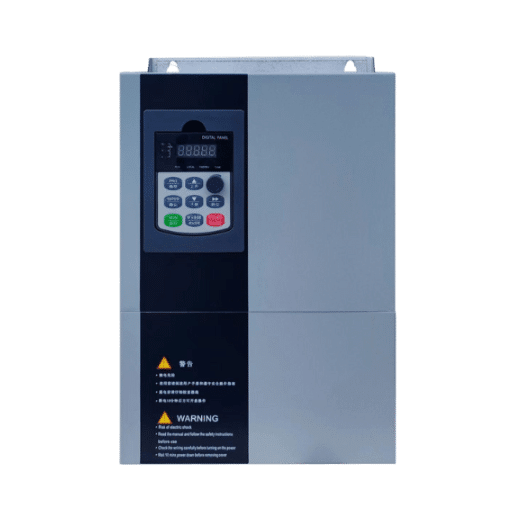
Variable Frequency Drives (VFDs) are used to control the speed of electric motors by varying the frequency and voltage supplied to them. More specifically, the drives are responsible for maintaining the motor’s speed and torque to meet the process’s requirements while minimizing energy waste. This is done through a procedure that converts incoming fixed-frequency AC power to DC, then back to variable-frequency AC. VFD technology is very effective in the water treatment field, where pump and motor speeds must be precisely adaptable to changing flow or pressure requirements. By operating only when and at the speeds needed, motors from VFDs enhance system efficiency, reduce energy consumption, and reduce the likelihood of parts failure due to wear and damage.
The Variable Frequency Drive (VFD) is composed of three primary components that work together to manage motor speed and torque in the most efficient way possible. These are the rectifier, which converts the supplied AC power to DC, and the DC link, which mainly consists of capacitors or inductors and is used to stabilize the power by eliminating voltage ripple. Finally, the inverter converts the regulated DC power back to AC, with the frequency and voltage adjustable. The adjusted frequency and voltage control are what a VFD is mainly sold for, as it matches the motor’s operation to the requirements of a specific application. These days, VFDs are products of the latest technological landscape, with advanced microprocessors and software algorithms enabled; as a result, the motor control capabilities are correspondingly elaborate, including torque optimization, energy efficiency reporting, and fault diagnostics, among others, which are essential for high-performance and industrial-grade applications.
When Variable Frequency Drives (VFDs) are incorporated in the pump systems, they provide very accurate control over the pump motor’s speed and torque by governing both the input power frequency and voltage. This attribute enables the system to be dynamically adjusted in accordance with demand, with significant implications for energy efficiency and operational performance. To illustrate, in the case of centrifugal pump systems, the power requirement is proportional to the cube of the speed; therefore, even a minor slowdown could save a large amount of energy in the process.
In addition, the use of VFDs at pump startup and shutdown eliminates water hammer and, at the same time, reduces pressure on pipes and hardware by allowing a slow start and stop through gentle acceleration and deceleration, respectively. Real-time monitoring is a key feature of VFDs, which helps maintain proper system performance by detecting flow and pressure changes and more. The same reliable amount of energy is supplied at the same time, and energy use and maintenance levels are dropping because this is all happening automatically through modern VFDs.
Variable-frequency drives (VFDs) are the most popular method for controlling motors, primarily for maintaining constant torque and adjusting the motor’s output speed. Significant savings of 50% to 60% in energy usage are achieved through the use of VFDs. This is because the power used is directly proportional to the cube of the motor speed. The same technology, when used in water distribution networks, reduces the number of pumps, thereby prolonging the life of the infrastructure.
VFDs are highly beneficial for energy savings, as shown by the aeration system that VFD helped bring into operation. Another study shows that power cost savings are achieved by driving blowers only as much as required by biological activity. The VFDs use dissolved-oxygen sensors to control blower speed. However, they will gradually reduce their speed until biological activity requires them again, and, as such, the power savings for this VFD aeration retrofit project were 25% of the total plant power consumption.
VFDs are the best solution for variable-demand conditions, as they keep things in check. This is also due to the sophisticated methods and pressure sensors provided with the VFD units used for pressure regulation. Accordingly, the system will have a lower risk of bursting or leaking, and its durability will be extended.
Another critical point is that VFDs help achieve rigorous, efficient operation, especially in utilities such as water and wastewater treatment plants. In this system, the pumping process can be efficiently regulated and controlled, and the energy cost for the whole cycle will be reduced by the energy generated during the process.
In water treatment plants and wastewater treatment, VFDs are a necessary control component for chemical dosing pumps, as they precisely control the amount of chemicals fed. Additionally, VFDs used in high-pressure filtration systems, such as reverse osmosis (RO), regulate pressure to increase filtration efficiency and reduce membrane wear.
When heavy rain or stormy conditions occur, Variable Frequency Drives (VFDs) are responsible for the real-time control of pumping stations to handle sudden, massive water flows. Such flexibility at the critical moment ensures that flood protection facilities work effectively by reducing the risk of overtopping or damage to critical infrastructure.

Unlike traditional constant-speed systems, VFDs optimize motor speed to respond precisely to the demand, which, in turn, results in a significant reduction in energy consumption. That said, there is a reduction in operational costs and an enhancement in the sustainability of the whole system.
Motor start-up and operation at varying speeds are made easier with VFDs; this reduces the mechanical stress that equipment would normally have to endure, thereby increasing the equipment’s lifespan, particularly in pumps, motors, and related components.
One significant aspect of VFDs is that they provide very precise control over the rate and pressure of the flow, this ensures that the treatment processes such as filtration and chemical dosing are carried out very consistently and effectively.
VFDs can help avoid water hammer and mechanical wear, thereby decreasing the frequency and cost of maintenance interventions.
The output of the system is directly proportional to the water treatment demands, which makes it such that VFD can be the answer to the water treating company’s problems at the low demand and high demand times, therefore improving the overall water treatment company’s efficiency.
It is well known that VFDs (Variable Frequency Drives) play a significant role in energy savings by allowing motors to run at the exact speed required to meet a system’s real-time needs. To be precise and put to rest any doubts, power-optimization researchers claim that reducing motor speed by just 20% results in nearly 50% energy savings. And even more so, VFDs are highly effective in water treatment plants with frequent changes in required flow and pressure, making them a significant factor in these facilities. All the while, the net effect of the VFDs is to control the load, thereby saving energy by reducing system variation. Thus, the temperature, level, flow, and pressure oscillations always stay within the safety margins.
Moreover, VFDs have a beneficial effect on the power factor because they extract energy more effectively from the power grid, thereby decreasing reactive power losses. Built-in modern VFD systems offer excellent monitoring capabilities, which are indispensable for tracking energy use in detail and providing analysis that supports continuous efficiency improvement. Using VFD systems is still the best way to meet the industrial sector’s energy efficiency standards and cut costs.
The way VFDs operate is fundamental to reducing mechanical wear and extending equipment life. The reduction in the impact of sudden stops and starts, which traditionally cause mechanical stress on various parts connected to the motors, such as belts, gears, and bearings, is why VFDs are the best solution in this regard. Eventually, proper equipment handling with VFDs not only reduces maintenance needs but also reduces the risk of premature failure.
Besides that, the life of the internal components in the equipment also benefits from operating motors at an ideal speed based on the load condition. With a 50% decrease in maintenance downtime, which speeds control, systems that lack it are prone to industry investigations asserting that machinery with VFD technology may have much less time lost to scheduled maintenance. Hence, not only is there the routinized problem of manually detecting possible causes of a mishap, but also no human would be at risk. Such cost-effective savings still lead to an environmentally friendly operator who is more like a savior.
One of the most effective ways to keep downtime and maintenance costs to a minimum is to use predictive maintenance technologies. These systems use sophisticated analytics, which they augment with real-time data from sensors and operational parameters to provide highly accurate, specific equipment health reports. Operators can help prevent failures by planning maintenance. When unexpected breakdowns are eliminated, resource allocation optimization would be easier. The identification of critical wear patterns and the subsequent reduction of unplanned downtime by up to 30% are among the benefits already confirmed by vibration analysis, thermography, and oil condition monitoring. On the other hand, these technologies also lead to longer equipment lifespans, greater productivity, and lower costs, making them indispensable as key factors in modern industry and reinforcing their value as vital tools in modern industrial operations.

Variable Frequency Drives (VFDs) are highly efficient at optimising pump system performance by precisely matching motor speed to load requirements. The energy savings are enormous because the pumps no longer need to operate at full capacity when lower flow rates would still do the job. For instance, just lowering the motor speed by 20% will result in an almost 50% reduction in energy consumption, indicating the high efficiency possible with VFDs. Furthermore, VFDs reduce wear and tear by taking the stress off mechanical components, resulting in a longer lifespan and lower maintenance costs. It also guarantees precise control of the process, resulting in the highest reliability and the least operational variability. These advantages make VFDs the most significant component of modern pump systems that address sustainability and cost-efficiency.
When choosing a VFD for your pump system, a range of factors should be considered to select the appropriate drive, ensuring reliability and cost-effectiveness. The first step is to determine the motor’s power, voltage, and current ratings, as this is essential for the VFD to operate correctly and comply with the motor specifications. The next step is to find out the application of the system, such as whether it is operating at constant speed or a wide range of speeds, and whether there is a need for torque control; then, choose the type of VFD best suited for that application.
Another essential criterion for a modern VFD is energy efficiency. Such drives are usually equipped with intelligent algorithms that optimize energy consumption for different loads. The drive features that are responsible for energy savings are one factor, but not the only one, behind a cost reduction that can be considerable in the long term. In hard-to-this-point-of-view environments, it is better to consider VFDs with harmonic mitigation features, as this would not only address electrical distortion but also protect the equipment and the facility’s power quality. To this end, the environmental conditions in which the VFD will operate should be carefully considered, including temperature, humidity, and potential exposure to contaminants, as these factors may influence the drive’s life and performance.
Lastly, make certain that the VFD is equipped with advanced monitoring and control features, for example, connectivity to industrial communication protocols (Modbus, Ethernet/IP, etc.), which enable seamless integration with supervisory control and data acquisition (SCADA) systems. The integration of these functions will allow you to collect and process data in real time, greatly assisting proactive maintenance and operational optimization. By taking all the aspects above into account, selecting a VFD that not only improves the overall operation and lifespan of the pump system but also efficiently and continuously powers it is not far-fetched.
Proper VFD installation and configuration are the primary factors for reliable, long-lasting operation. It is necessary to start the process by ensuring the VFD, motor, and application are compatible with each other, paying close attention to key parameters such as voltage, current, and frequency ratings. Once again, the manufacturer’s guidelines should be the leading source of information–plus, make sure there is a clean, dry, and well-ventilated location to prevent overheating and broken dust-beasts.
When handling electrical connections, it is imperative to be very careful; therefore, the wires must be the correct gauge, and the grounding must be the required type to reduce electrical noise while remaining compliant with all relevant local codes and standards. Moreover, shielded cables are recommended to minimize EMI, especially in critical and sensitive applications. For optimal operation, the programmable settings of the variable frequency drive, e.g., acceleration and deceleration times, should be set according to the motor and load requirements.
One way to ensure the Variable Frequency Drive (VFD) operates at peak efficiency is to conduct regular system checks. These checks should include inspecting the cooling fans and terminal connections, and performing software updates. In addition, connecting the VFD to advanced communication protocols, such as Modbus or Ethernet/IP, not only enhances its functionality but also opens the potential for predictive maintenance by providing diagnostic data and enabling predictive maintenance initiatives. With these good practices in place, you can start using VFDs in the safest and most environmentally friendly way possible across a broad range of industrial and commercial applications.

Variable Frequency Drive (VFD) technology has made a significant impact on energy efficiency and sustainability across many industries. In addition, VFDs are much more efficient than motor control methods because they can precisely control real-time speed demand. However, waste is also generated due to inefficiencies in the motor system, which is a widespread issue locally. Also, switching to and following the VFD path reduces continuous, idle/no-load operation of all pumps, fans, and related equipment and eliminates the inherent potential for dumping. If VFDs are used in industry or commercial settings, they will absolutely fit the sustainability program and, at the same time, deliver direct economic gains.
To accurately compute the energy savings from VSD use, it is necessary to account for the supply, the motor’s operating profile, and the nature of load-dependent power consumption. The primary source of energy savings is the so-called Affinity Laws, discovered over a century ago. These laws state that power decreases directly with the cube of the speed reduction. For example, when you reduce speed by 20%, you are very likely to obtain an energy consumption reduction of around 50%. This highlights VSD’s outstanding qualities in applications with varying load demands, such as pumps, fans, and HVAC systems.
To calculate savings, one should first measure the motor’s electricity consumption at full speed using power meters or energy logging devices. Then, by incorporating the VSD and operating at lower speeds, one can obtain data on energy consumption. A comparison of these data will determine energy savings over a representative time period. Moreover, various software tools available from VSD companies for motor control can simulate and forecast energy savings based on load characteristics, speed ranges, and motor sizes, thereby providing precise, application-specific estimations.
It has been shown through research and real case studies that the savings achieved by employing Variable Speed Drives (VSDs) can vary from 20% to 50% of energy under different efficiency and application conditions, the decrease in the energy demand not only also the electricity bill saving, but also reduces the wear and tear of mechanical parts which will eventually be a decrease in the maintenance cost of the machine.
In terms of sustainability, the use of VSD technology aligns well with emission-reduction goals and corporate responsibility objectives. Hence, a lower electric power draw during operation will mean less gas release, especially at sites that get their electric supply from burning fossil fuels. Some organizations could avail themselves of those savings for going greener by joining green certification programs or by taking advantage of the government and utility funds, thereby further multiplying the economic and environmental gains. So, by incorporating VSDs, firms can achieve a harmonious balance between cutting costs and reducing environmental impact, while adhering to long-term sustainability strategies.

The Variable Frequency Drive (VFD) is a technology that has recently been modified in three main areas: energy efficiency, operational reliability, and system integration within water treatment facilities. A significant trend is the adjustment of advanced control algorithms that optimize motor performance based on real-time data, thereby reducing energy consumption and water waste. Furthermore, the inclusion of smart VFDs with Internet of Things (IoT) connectivity has enabled remote monitoring and predictive maintenance, which are the main drivers of downtime reduction. Also, the pump control and aeration compatibility go further to ensure the smooth integration of the new systems with the existing ones. The innovations from the mentioned sectors are boosting the use of VFDs, and their role as a vital component in modern, ecologically friendly water treatment is already evident.
One of the most significant improvements in the field of variable-speed drives has been the ability to adjust energy production to the specific needs of different industrial branches. The latest version of VFDs comes with improved motor control algorithms that continuously modulate the output frequency and voltage to meet exact energy usage. This feature not only reduces the energy consumption of the given equipment by 50% but also enables energy recovery during machine operation, such as HVAC, conveyor belts, and pumps. Also, the latest generation of these industrial components has regenerative braking options, so they can recover energy without the need for inverting and further re-utilize it through the process, hence, more than just energy conservation, a whole efficiency increase in the system is happening.
The emergence of artificial intelligence (AI) in current VFD systems is changing diagnostic and maintenance systems. One practice is to have AI algorithms constantly monitor the operational parameters and alert to potential shocks before critical parts wear out. This lead is accounted for by decreases in machine inactivity time, reduced repair costs, and extended lifespans for both the VFDs themselves and the connected machines. The significant reduction and eventual elimination of premature capacitor failures, leading to frequent replacements, are only a few of the gains. Using Data Mining tools, the threshold for large amounts of data collected over time by the sensors is suddenly exceeded, allowing machine operators to see more clearly the system’s performance trends and take preventive and corrective measures throughout the system’s life-cycle.
The modern irrigation system relies on Variable Frequency Drives (VFDs) as a crucial element, seen as the backbone of the system and an innovative water management system of today, enabled by IoT technology. The VFDs acquire and process data from IoT devices on flow rate, pressure levels, and so on in the water distribution network. The data is sent to central platforms that use machine learning algorithms to keep water consumption in check, minimize waste, and increase efficiency.
One such way is in VFDs, which automatically adjust the motor’s speed to meet the need at that time, so energy use is reduced to the extent possible while still meeting drinking water requirements. Moreover, the said systems can detect irregularities on their own, such as leaks or non-working pumps, and alert operators immediately, preventing problems from becoming bigger. Robust analysis from VFDs and integrated IoT builds enables towns and factories to cut water management costs, keep power use to a minimum, and comply with regulations concurrently. The introduction of VFDs and IoT technologies in the same place represents a significant step towards establishing eco-friendly water management systems that use less power more efficiently.
Energy Efficiency at a Small Wastewater Treatment Plant: Use of Variable Frequency Drives to Control Aeration Blowers
Read the study here
Reducing Energy Usage in Water and Wastewater Treatment Facilities: A Tale of Two Cities
Read the study here
Evaluation of Energy Savings Potential from Deep Well Variable Frequency Drive Installation
Read the study here
When you use VFD water treatment, a variable-frequency drive adjusts the motor speed and controls the pump in water and wastewater systems efficiently. While the VFD can reduce energy consumption significantly by operating the pump at the required speed that matches the consumer’s actual demand rather than the pump’s fixed speed, it can also increase energy consumption by operating the pump at a speed that exceeds the consumer’s actual demand. Moreover, the drive also allows for a soft start, which will help decrease inrush current and mechanical stress on the pumps, and piping will be less. This way, integrated PID and flow control algorithms, together with the VFD, help achieve precise control and regulation of the process for steady treatment quality.
Variable Frequency Drives (VFDs) are one example of energy efficiency. They perform their part by dynamically changing the motor speed to precisely match the real-time throughput demand rather than continuously operating at full speed. Hence, this lessens the power consumption, which in most cases results in a significant drop in energy bills, particularly with centrifugal pumps and fans. Moreover, the soft start of a VFD minimizes electrical demand on the grid and, as a result, extends the equipment’s lifespan due to reduced mechanical friction. Proper configuration with PID control and asset management strategies will ensure that servo drives use only the energy needed for the industrial process.
Indeed, variable frequency drives (VFDs) are instrumental in reducing maintenance costs and prolonging equipment life span by providing smooth, continuous ramp-up and ramp-down profiles through their soft-start and soft-stop capabilities. Shafts, couplings, and valves will experience less mechanical stress, resulting in lower wear and fewer repairs. Additionally, remote monitoring and early detection of issues, such as bearing problems or overloads, would be possible through built-in diagnostics. So, the preventive maintenance scenario.
VFDs (Variable Frequency Drives) in water treatment are managed by a collection of control strategies, the most typical being PID loops and flow control systems. The latter modulates pump speed so that pressure, level, or flow setpoints are maintained by driving it with a variable-frequency drive output. Manual regulation may be implemented for safety reasons or as a backup if the VFD fails. Even in these cases, it is pretty standard to regulate the pump speed using flow meters or differential pressure sensors, which are typically wired to the VFD output.