Ready to Get Your VFD Solution?
Whether you need a single drive or a complete system, we have the VFD products and engineering support to ensure your project's success.

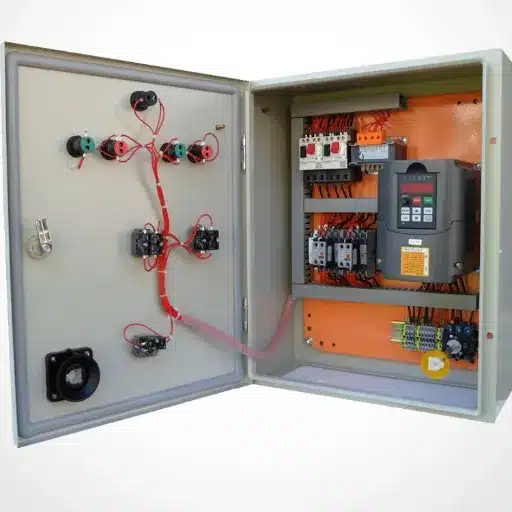
Variable Frequency Drives (VFDs) are actually incredibly important in contemporary industrial and commercial environments and moreover, they have given the finest level of motor control and energy conservation. However, even so, the knowledge of how these systems work and the control methods that can be used—manual, analog, and digital—is not only important for challenging but also for performance and cost reduction. The following blog post goes into these three distinct VFD control methods, and as a result, you get a proper understanding of their functions, pros, and cons as well as the scenarios of use.
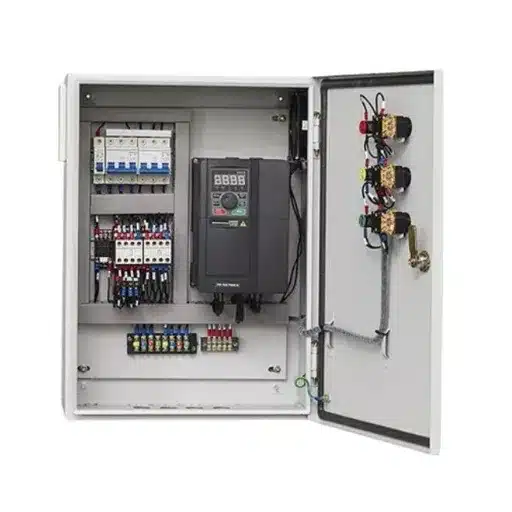
The technology of Variable Frequency Drive (VFD) control is a way to manipulate the electric motors speed and torque by changing the frequency and voltage of the power supplied to the motor. Although it is a somewhat new way of controlling electric motors, it has already become widely accepted all over the world. The advantages of VFDs in controlling the speed of motors have earned them a broad application in processes involving manufacturing, HVAC, and water treatment plants, among others.
The current generation of VFDs commonly incorporates PWM technology, which achieves accurate motor speed control along with energy waste reduction. For example, if you are to install VFDs, you would be able to enjoy up to 40% savings in energy cost as compared to your traditional motor control methods. Moreover, when the VFD control is applied to the motor, its life is prolonged, since the control minimizes the mechanical stress during the start-up and operation phases; thus, one can expect the reduction of maintenance costs in the long run.
The Variable Frequency Drives (VFDs) are not only a mainstay but also a driving force in industrial operations. They have been known to be one of the key contributors of electric motor power control and efficiency improvements. The present electricity consumption in the industries is about 54% of the total global usage, with almost 70% being consumed by electric motors alone. By default, VFD is their sole choice; hence, they are the ones that make a big difference by consuming only 20-50% less energy, which corresponds to huge cost savings and meeting eco-friendly goals.
Better motor communication with VFDs is a prime advantage that positively impacts the whole production process. VFDs are now used in many applications such as conveyor systems, pump stations, and HVAC units where the requirement for accurate and consistent speed and flow rates is very high, hence the resulting benefits of being able to produce quality products and spend less through waste, and also save through less product returns. Another indirect advantage of the VFDs is the easing of operational flexibility that is caused by their ability to allow the motors to run through a very broad range of speeds. Thus, they are perfectly suited for dynamic processes.
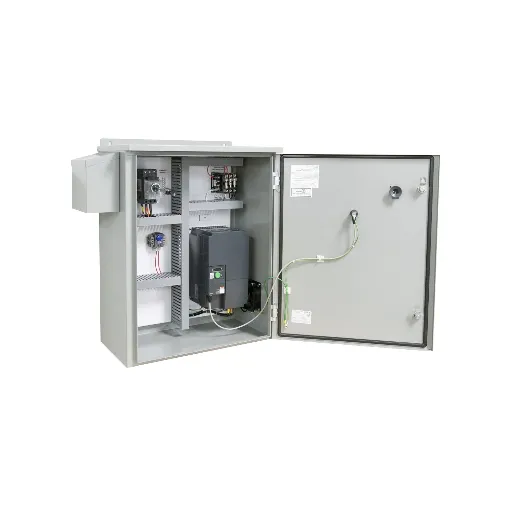
The Variable Frequency Drive (VFD) manages by imposing the limitation of the frequency and voltage, therefore, controlling the electric motor’s speed and torque. Direct and accurate control of the motors can match their performance to the requirement of the application, thereby saving energy and reducing the motor’s life.
The operation of the VFD basically involves three major stages — the rectifier, the DC bus, and the inverter. The rectifier first takes in AC (Alternating Current) power and transforms it into DC (Direct Current). The next step is the DC bus which ensures the current is stable and smooth. The last step is the inverter which returns the now stabilized DC power to AC at the frequency and voltage required to operate the motor at the speed desired.
The rectifier is the component that comes first in the VFD system and it uses diodes, thyristors, or insulated-gate bipolar transistors (IGBTs) to convert incoming AC (alternating current) power into DC (direct current) power. The main function of the rectifier is to provide a stable DC power source for the rest of the processes.
The DC bus is a vital part of the VFD that temporarily stores the energy that has been converted from AC power by the rectifier. The design of the DC bus usually includes capacitors and inductors for smoothing and stabilizing the DC so that the voltage variations are minimal and the system is shielded from power spikes.
The inverter takes the DC power and sends it back as AC power; however, at a variable frequency and voltage. This is a key factor for controlling the motor’s speed and torque. Some sophisticated VFDs make use of IGBTs to perform fast switching of the DC power at high frequencies, hence producing accurate and AC waveforms of high efficiency.
The control unit oversees the VFD’s functions allowing for the exact regulation of the motor’s speed, torque, and direction. It accepts input commands, carries out the pre-set algorithms, and modifies the inverter’s output accordingly. The state-of-the-art control units are often equipped with microcontrollers or digital signal processors (DSPs) to offer more features and connectivity.
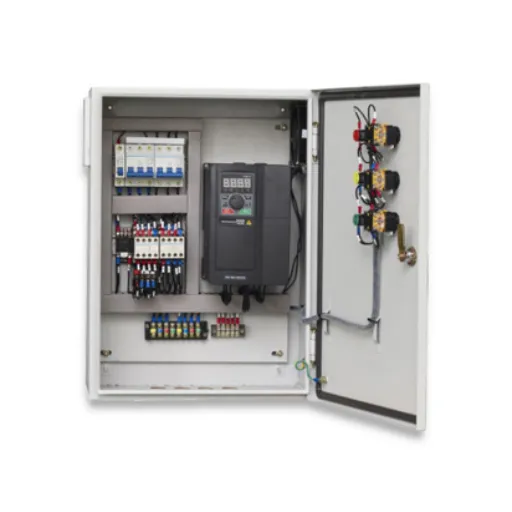
Variable Frequency Drives (VFDs) are important devices that contribute to energy conservation and cutting down on operational costs in a wide array of industries. VFDs regulate motors’ speeds according to application, thus preventing unnecessary energy use. Recent studies indicate that application of VFDs in the factory floor could save as much as half of the energy consumed during operating pumps, fans or compressors where power used is directly dependent on the motor speed.
Moreover, VFDs are credited with phasing out the usage of mechanical throttling methods which are at times the source of lost energy. Such a scenario certainly does not help that this wastage eventually makes the electricity bills to be higher. But, apart from being costly, this situation also leads to the quicker deterioration of the equipment. A case in point is the U. S. Department of Energy (DOE) which states VFDs to be a source of savings with the payback period being as short as six months to two years depending on the scale of use.
Variable Frequency Drives (VFDs) are probably one of the most energy-efficient solutions available for electric motors and, at the same time, they can make a significant improvement in the control and performance of the motors. The speed and torque are under very precise control of the user through the adjustment of the frequency and voltage supplied to the motor that VFDs perform. This feature allows fewer mechanical stresses on the equipment thereby prolonging the life of the motors and at the same time reducing the maintenance frequency.
The most recent facts and figures reveal the awesome influence that VFDs have on the operational efficiency worldwide. A 2023 report states that sectors that have incorporated VFDs have had a motor efficiency improvement of as high as 30%, which results directly in less energy cost. Moreover, one of the features of VFDs that absolutely comes hand in hand with innovative technologies and practices like soft starting and stopping is that they reduce mechanical wear by up to 50%, as compared to traditional starting methods such as across-the-line. These advantages are very important in the situations of pumps, conveyors, and HVAC systems which all need to have the stable motor performance to the full productivity of the whole plant.
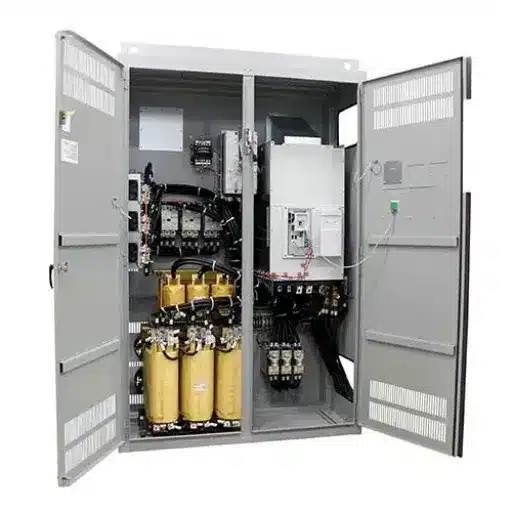
Variable Frequency Drives (VFDs) are not just another component in modern Heating, Ventilation, and Air Conditioning (HVAC) systems rather, they are the energy-efficient contributors and system optimizers. Industry experts say that with the use of VFDs, the energy consumption can be brought down by half compared to fixed-speed motors. This is very important in cases like air handlers, pumps, and cooling towers where the load requirements change during the day.
VFDs in HVAC systems unlock another benefit—very accurate controlling of airflow and temperature—being able to deal with very delicate situations. For example, if we take a fan motor running at 80% of its capacity it will use energy that is 48% less than that of a motor operating at 100% speed; this is due to the cube law that connects speed with power consumption. Many of the buildings that have switched to VFD technology for HVAC report significant energy savings with a payback period of just two to three years based on lower utility bills and less maintenance costs.
Industrial automation and process control are the very backbone of modern manufacturing and production environments, as they provide the necessary driving force of efficiency, precision, and scalability. The combination of latest technologies like PLCs, HMIs, and IIoT devices allows industries to automate complex processes, reduce operational errors, and maintain a high standard of product quality.
The latest trend is the application of AI and predictive maintenance through machine learning algorithms, which can lead to a reduction of up to 30% of downtime, as per studies. Not only that, but the industrial robots have also played a major role in making the repetitive tasks faster and more reliable simultaneously. A recent Deloitte study has revealed that companies that implemented automated process control technologies gained a 25% increase in operational efficiency and a cut in waste of as much as 20%.
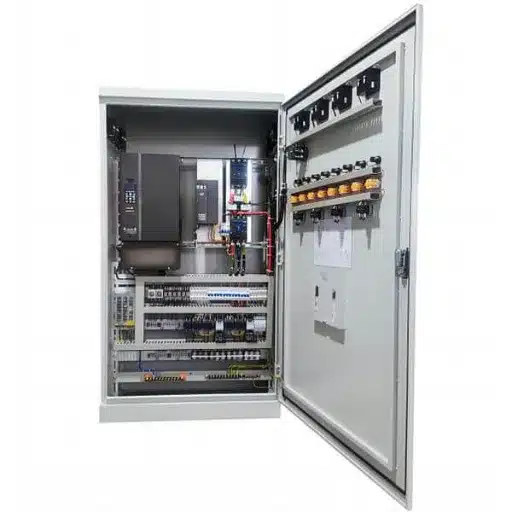
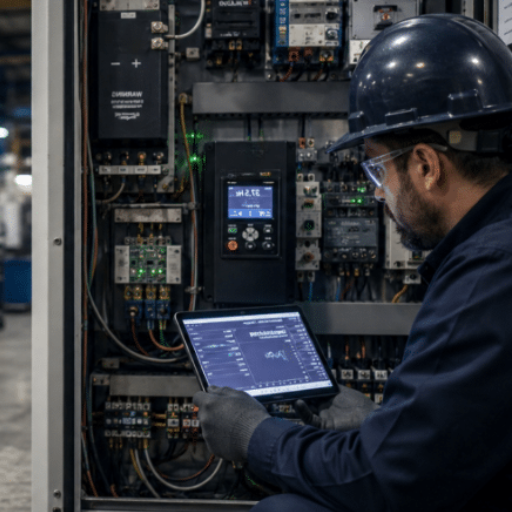
The adoption of Variable Frequency Drives (VFDs) along with Internet of Things (IoT) and smart technologies has greatly changed the way that industrial and commercial systems function. To put it simply, the connection of VFDs to IoT networks provides the opportunity for real-time monitoring and advanced control along the whole process. Apart from the details on energy consumption, performance, and maintenance, the systems also provide the basis for predictive analytics. A recent analysis predicts that the use of IoT-enabled VFDs in pump and fan applications can yield energy savings of up to 30%, which in turn translates into substantial cost benefits and a reduced carbon footprint.
The cloud and edge devices in smart technologies have played a huge role in expanding the features of VFDs. VFDs are capable of being connected to cloud storage where their data can be analyzed through various performance-optimizing techniques and is also monitored for detection of problems that may lead to equipment failure. For instance, McKinsey & Company did a study and the result confirmed that the manufacturing sector normalizing IoT-enabled smart VFDs would be able to withdrawal up to 20% of the downtime, and at the same time, it would improve operational productivity by around 15%.
State-of-the-art Variable Frequency Drives (VFDs) are powered by advanced control algorithms which result in an incredible increase in the performance and efficiency of the system. Some of these algorithms include vector control and direct torque control (DTC), and they can determine precisely the motor speed and torque for different operational conditions. For example, vector control uses real-time calculations to monitor motor magnetic fields, consequently, it delivers an optimal performance, reduces electric energy usage, and still works well in the low-speed area. On the contrary, DTC gets rid of the need for complicated pulse width modulation (PWM) schemes and this leads to faster response and more gentle controlling of the motor.
The current studies go ahead to show the significance of these technological improvements in energy savings and productivity. Per research, the application of advanced control algorithms in VFDs could lead to a maximum of 30% reduction in energy consumption depending on the field of use. Their capability of constantly altering motor parameters has simultaneously led to an increase in the motor lifecycle and decrease in wear and tear, thereby saving an average of 20% in maintenance within industrial settings.
Grand View Research
Ken Research
Fortune Business Insights
An ac drive or a VFD (Variable Frequncy Drive) mainly converts the line electric supply to the motor in terms of voltage of a variable magnitude at a variable frequency. The speed of the motor changes with frequency and voltage and the induction motor or ac motor is subjected to the drive control and hence the motor operation, acceleration and deceleration and torque get controlled accurately. This very manner of control has been extensively adopted in industries for applications like fans, pumps, and spindle motor systems.
VFD that is used for fans and pumps provides energy savings and better process control as varying the frequency reduces motor speed to the point of matching the load requirements instead of throttling flow. In the case of pump and compressor applications, a variable speed drive system alters the motor speed according to the demand, which in turn leads to less power consumption, less mechanical stress, and improved system performance as compared to using traditional on/off control or dampers. This also allows for smoother acceleration and deceleration, which results in longer equipment life.
Most variable frequency drives (VFDs) are made to work with three-phase motors and supply power of the same type; they perform consistently and effectively with three-phase motors in industrial environments. However, there are some motor drives that accept single-phase input and are able to deliver output that is three-phase and suitable for a three-phase motor, but for rated single-phase motors and a few smaller loads you should check the compatibility. Single-phase motors can sometimes be driven using specialized motor drive solutions or with the help of a phase converter, but it is quite common that speed control drives are designed for three-phase motor only.
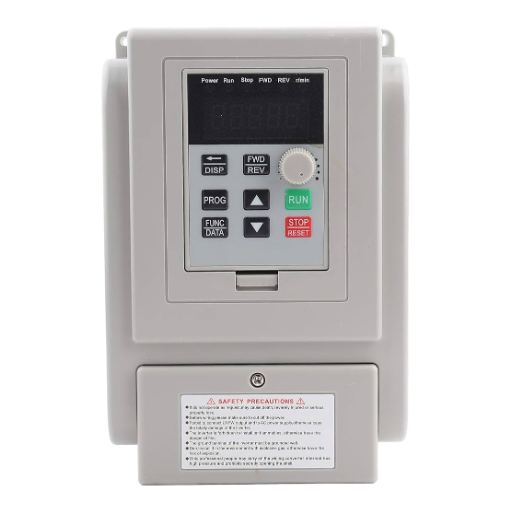
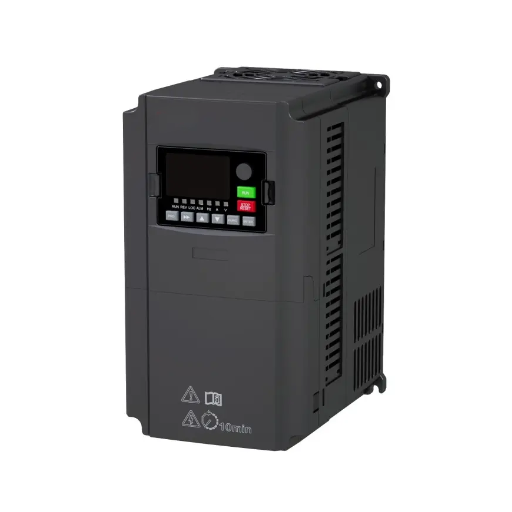
Manual control through the onboard control panel, remote signals from the PLC using analog/digital I/Os, or communication protocols such as Modbus for advanced monitoring and programming are among the various methods available to control a VFD. For simple processes, the VFD controller panel or local control is enough; for integrated motion control and automated sequencing, PLC software and Modbus or other fieldbus protocols provide centralized control, setpoint changes, and diagnostics. Pick the method that best suits your control architecture and required response time.
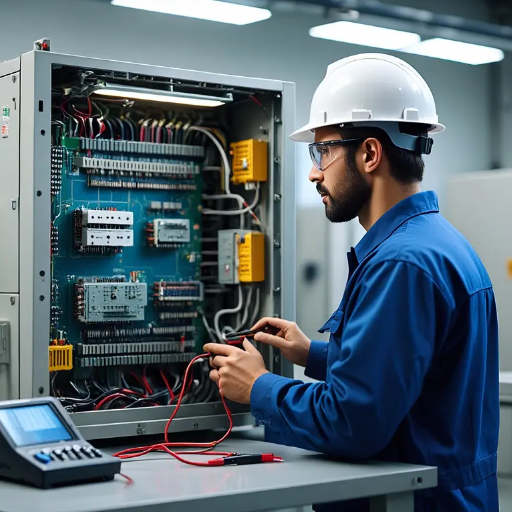
The installation of a VFD necessitates the selection of a drive that suits both the motor and supply power, proper grounding, and overload protection. In the event of replacing a contactor, bear in mind that certain older systems employed contactors for basic on/off control; with a VFD, the drive handles the starting and stopping of the motor. Ensure that the drive controller is correctly sized for the motor load, check if harmonic mitigation is required, and follow the manufacturer’s recommendations for input supply power, fusing, and wiring practices.
Variable Frequency Drives represent a crucial technology for modern industrial and commercial applications, offering significant energy savings, enhanced motor control, and improved operational efficiency across a wide range of applications.