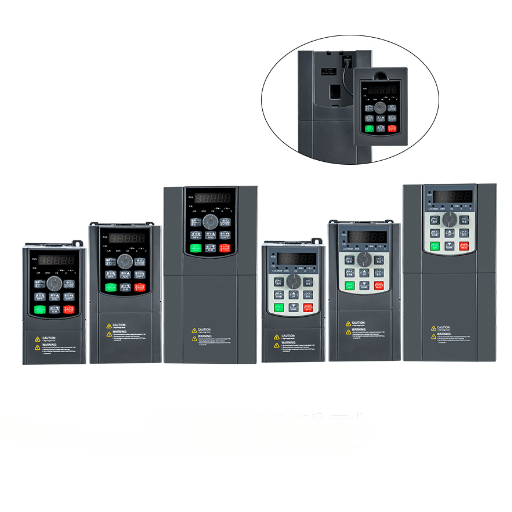
Ready to Get Your VFD Solution?
Whether you need a single drive or a complete system, we have the VFD products and engineering support to ensure your project's success.


The use of VFDs in HVAC (Heating, Ventilation, and Air Conditioning) systems has transformed conventional systems by providing a more efficient, energy-saving approach to managing indoor environments. VFD technology controls motor speed with high accuracy, enabling the system to adapt to load changes and reducing energy waste and, consequently, lowering operating costs. This paper focuses on the important but so far overlooked contribution of VFDs to energy-efficient, climate-friendly HVAC systems and how they make the ultimate difference. Suppose you’re looking to optimize your system, reduce emissions, or lower your energy bill. In that case, this detailed guide will help you understand VFDs for both residential and commercial HVAC systems, which are becoming increasingly sophisticated.
Variable Frequency Drives (VFDs) are critical to HVAC systems, controlling motor speed and torque, which in turn drive components such as fans, pumps, and compressors. That system can operate smoothly and avoid overloading the equipment by adapting to simultaneous heating and cooling demands, ensuring constant energy use. VFDs help manage motor energy, thereby prolonging equipment life and reducing operating costs. Moreover, at the same speed, given the system’s actual requirements, VFDs also play a significant role in reducing power consumption. They make the garden more peaceful and improve overall performance when integrated into the HVAC system; therefore, they are indispensable for both residential and commercial HVAC applications.
The functionality of VFDs is achieved by adjusting the frequency and voltage of the electrical power supplied to a motor, thereby controlling torque and speed. They plan to use the best-in-class electronics, including a rectifier, a DC bus, and an inverter, primarily per the manufacturer’s design. The rectifier converts incoming AC power into DC. Then the DC power is regulated and converted by the DC bus to AC, which the inverter then converts to the desired frequency and voltage. Thus, by modulating these properties, VFDs find their niche in applications where motor operation must be responsive to the application’s needs. Current VFD systems are equipped with microprocessor-based control systems that include algorithms to optimize drive operation, among other protections, improve efficiency, and enhance responsiveness, giving the application an edge in the industry. These technical developments are making VFDs a must for industries seeking motors and motor systems with high reliability and efficiency.
Variable Frequency Drives (VFDs) are critical, as they improve HVAC system performance by controlling the speed and torque of electric motors and driving components such as fans, pumps, and compressors. They cause the motors to deliver only the required energy while also helping to pay for themselves. The motor control with the necessary power and the system process control demand lead to the particular nature of the HVAC system, which is to be operated at zero speed. VFDs achieved the aim of the basic regulations, such as the energy-efficient supply or the consumption rate, straightforwardly, that is, by providing the system with on-demand only.
Energy Efficiency Insight: One of the most common applications of a Variable Frequency Drive (VFD) in heating, ventilation, and air conditioning (HVAC) systems is an air-handling unit. The amount of air required varies with weather and occupancy; therefore, the fan motor is designed to operate at different speeds via a VFD, reducing energy consumption when the system is not at full capacity. Energy savings of almost 50% can be achieved by reducing motor speed by only 20%, according to several studies, indicating that VFDs are essential for meaningful energy savings.
Moreover, it is crucial to note that VFDs extend system life through soft start and stop functions. These maintain mechanical and thermal stress on motors and connected components at low levels. The capabilities of modern VFDs, such as fault detection, real-time monitoring, and programmable logic control, also help implement preventive maintenance schemes that reduce downtime and operating costs. All of this underscores the importance of VFD-integrated HVAC systems for energy savings, performance stability, and an eco-friendly environment, as dictated by sectoral requirements.
| Component | Description |
|---|---|
| Rectifier | Converts AC input to DC output. |
| DC Bus | Stores and smooths DC power. |
| Inverter | Converts DC back to controlled AC output. |
| IGBTs (Insulated Gate Bipolar Transistors) | Switch power to manipulate AC voltage and frequency. |
| Control Circuit | Manages VFD operation, speed, and power output. |
| Cooling System | Maintains optimal operational temperatures. |
| Input Filter | Reduces harmonic distortion in input power. |
| Output Filter | Minimizes voltage spikes and electrical noise. |
| Protective Circuits | Handles overloads, short circuits, or faults. |
| Sensors and Feedback | Provides readings for real-time adjustments. |
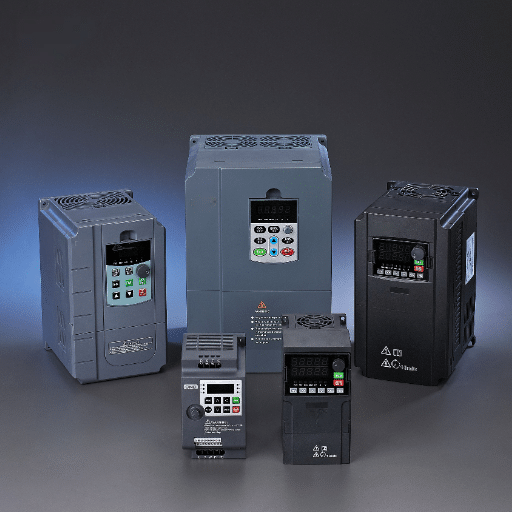
VFDs enable HVAC systems to vary motor speed in response to demand, thereby achieving significant energy savings. Operation at maximum capacity can therefore be avoided, resulting in lower energy usage and, ultimately, cheaper utility bills.
Starting at a gentle acceleration and achieving a controlled full speed thereafter, the VFD is well-suited, as it helps reduce mechanical stress on control components such as motors and compressors. As a result, one can expect minimal parts and maintenance, and the equipment’s lifespan will be maximized.
Variable-speed operation adjusts the flow of air or liquid to meet heating/cooling needs. This also enhances the system’s responsiveness and the comfort level in the house.
Fewer mechanical problems mean less maintenance; in addition, the number of required maintenance visits will decrease, so owners will spend much less on recurring maintenance.
Operating motors at lower speeds reduces noise, making HVAC systems not only quieter but also more acceptable in settings where noise is a concern.
The installation of variable-speed technology in HVAC systems has significantly improved energy savings by enabling systems to operate on an as-needed basis rather than at full capacity. Research has shown that variable-speed technology can reduce energy costs by 30% to 50% compared with traditional single-speed systems, but results vary with usage and climate. Reduced energy demand directly leads to substantial savings for both homeowners and businesses, as lower monthly utility costs are a visible outcome. Additional loans or incentives are often available in OECD countries to shorten the payback period and make it easier for the end user. These developments are the main reason for the adoption of the latest technologies in the HVAC industry, to conserve energy and achieve very short payback periods.
Electric drives, and in particular variable-frequency drives (VFDs), are cutting-edge motor speed-control systems that operate by precisely modulating the voltage and frequency supplied to the motor. The power of such fine adjustment lies in its ability to match motor speed directly to demand, adding a new dimension of efficiency to motor operation. It is beneficial in processes with varying load or speed requirements. For example, VFDs improve energy efficiency in systems such as pumps and fans by preventing the motor from running at full capacity when it is not needed.
Performance Data: In such applications, energy savings can range from 20% to 50%, depending on load variability and the system used. Another advantage of modern motor control systems is that they not only save energy but also extend equipment life by reducing wear and tear, since they do not force machines to start suddenly or operate under heavy mechanical stress. These systems offer the highest possible energy-saving features. They are highly cost-effective and reliable in both industrial and residential applications, thanks to their strict yet highly flexible control and operational modes.
Advanced airflow control depends on the interaction between meticulous engineering and cutting-edge technology, which is the standard approach to achieving the best performance of the heating, ventilation, and air conditioning (HVAC) system. The use of variable air volume (VAV) systems, high-efficiency fans, and various simulation methods, including mathematical models, is key to balancing air delivery and, in turn, to making HVAC equipment integration the most energy-efficient and reliable. Dynamic adjustment and energy control of VAV systems, while achieving the maximum comfort level for occupants, are possible using real-time data in combination with the air circulation control mechanism. High-efficiency fans, pivotal in mechanical design and control, ensure that operating conditions are safe and non-harmful and that power consumption is efficiently managed. Additionally, computational fluid dynamics (CFD) modeling provides detailed airflow simulations, which are extremely useful for making strategic design decisions for ductwork and vents to minimize turbulence and pressure loss. These methods are not only cost-effective but also enable maintenance of the set weather and space settings within an acceptable range for the different needs of industry and homes.

Soft starters are frequently employed in HVAC systems to enhance energy efficiency and reduce energy consumption. They are responsible for current and speed regulation of motors and have a limited application area, enabling equipment such as fans, pumps, and compressors to be controlled based on current load. The use of energy is also significantly reduced by such a system that precisely controls the equipment at the required load. This is possible because the mechanical components undergo less wear and tear. Thus, not only the business’s costs but also the building’s energy consumption are reduced. Moreover, power consumption can be dramatically reduced in this way. By doing so, variable-frequency drives will be key to optimizing energy audits for both residential and commercial buildings.
Greetings! Variable Frequency Drives (VFDs) are universally required in commercial air conditioning systems where the critical factors are efficiency, ease of expansion, and performance. The primary function of VFDs is to accurately adjust motor speed, thereby optimizing energy consumption across components such as fans, pumps, and compressors. The use of industry-approved VFDs can reduce energy consumption by 20-50%, a substantial improvement over the oldest constant-speed motors. This power efficiency will significantly reduce the machinery’s total life-cycle cost.
Furthermore, VFDs are integral to demand-responsive systems because they can adjust to variations in occupancy and environmental conditions. For example, when buildings are lightly loaded, VFDs can reduce the equipment’s output, thereby avoiding mechanical load and energy waste. Advanced control algorithms and communication protocols have enabled modern VFDs to integrate more deeply with Building Management Systems (BMS), enabling real-time monitoring and diagnostics. This kind of integration enables facilities managers to take control and monitor operational efficiency to its peak.
Variable Frequency Drives (VFDs) are an excellent solution for pump control, delivering significant gains in energy efficiency and operational reliability across multiple sectors. VFDs enable motor speed to be tailored to actual demand, reducing energy consumption in pump applications by at least 50% compared with fixed-speed systems. This is very crucial, for example, when it comes to water distribution, wastewater treatment, and HVAC systems, and so on, where the flow conditions are frequently changing.
Furthermore, VFDs can control system output and enable gradual increases or decreases in operational speed, thereby absorbing fluctuations and reducing pressure on the system and preventing water hammer. They make it through their precise ramp-up and ramp-down of the pump, which keeps the speed change very gentle. As per the current industry practice, the implementation of VFDs in pump systems has seen an increase in equipment life due to lesser mechanical wear and tear, which has led to less maintenance cost, a side benefit.
Moreover, modern Variable Frequency Drives are equipped with integrated, readily available monitoring and diagnostic functions that enable personnel to monitor performance indicators such as flow rates, pressures, and energy consumption on-site. Preventive maintenance reduces the risk of unexpected machine shutdowns and optimizes system performance over the long term. Combining fine-tuning control and extensive monitoring, VFDs are essential for energy-efficient, cost-effective pump operations.
The integration of Variable Frequency Drives (VFDs) with Building Automation Systems (BAS) improves monitoring and control efficiency for HVAC systems, lighting, and other critical building systems. The latest BASs use communication protocols such as BACnet, Modbus, and LonWorks that are highly compatible with VFDs, enabling easy, controlled monitoring and control. This link-up allows facility managers to adjust motor-rated speeds in response to real-time demand, thereby significantly reducing energy consumption and operational expenses.
Insights into performance trends are detailed using data recorded with BAS. This is so evident in the mentioning of motor efficiency, torque demand, and temperature variations as they are the significant parts of the trending data. Thus, predictive analytics techniques, which leverage this amount of data, can identify even subtle system inefficiencies and alert the maintenance team before anything bad happens. Another example is the energy use of a large building’s HVAC system by integrating VFD functionality and other control capabilities based on occupant schedules, weather conditions, and energy prices. The energy consumption standards set by Energy Mode should be properly maintained; in addition, the plant’s lifespan and equipment reliability should be maximized.

One of the main problems people still encounter with Variable Frequency Drives (VFDs) is overheating. To solve this, ensure good air circulation and that the control panel is also cooled. You will decide by examining whether there is too much dust between the fins of the heatsinks and fans; if there is, clean them so the airflow is not blocked and efficiency is not reduced. Furthermore, monitor the VFD load continuously, as operating it near or above its rated capacity can generate excessive heat. If the overheating persists, check the ambient air temperature—VFDs are typically designed to operate within specific temperature ranges. Make sure that the machine is not placed in extreme environmental conditions or under direct sunlight.
A systematic inspection is an integral part of diagnosing motor and drive faults and should begin with the most likely causes. The first step is to verify that the input power supply meets the motor and drive voltage and frequency specifications. Voltage irregularities, such as surges or sags, can damage components or cause them to operate erratically.
Afterward, the motor windings are checked with an insulation resistance tester (megger) to identify faults such as insulation breakdown or short circuits. These faults can result in overheating, reduced efficiency, or complete operational failure. Similarly, the electrical connections integrity such as terminals and wiring between the motor and Variable Frequency Drive (VFD) should be assessed; as loose or corroded connections can bring about intermittent faults or increased resistance.
After all, make the most of various diagnostic methods, such as thermographic imaging and vibration analysis, to identify mechanical or thermal issues affecting motor operation. If there are excessive vibrations, it may indicate the rotor is out of place, worn bearings, or an unbalanced rotor. Besides, we need to monitor temperature profiles that can indicate impending bearing damage or lubrication failure. Moreover, among the probable sources of the problem, improper drive components could arguably, but correctly, be set. Furthermore, one can review the existing drive logs, which include detailed system history of faults or anomalies. The most common approach is to review all error logs in advance during research toward success.
To overcome communication problems in HVAC software, it is necessary to use a systematic methodology, whose main components are protocol examination, network integrity verification, and hardware diagnosis. In many cases, the primary source of trouble is the use of various communication protocols, such as BACnet, Modbus, or LonWorks, which makes it crucial to ensure that all devices in the system are configured to the same standards. Additionally, network connectivity issues can be caused by physical factors, such as damaged wires or loose connections; in this case, the problem should be determined using a continuity test and visual inspection.
Tools such as packet sniffers or protocol analyzers help detect data transmission errors and troubleshooting issues, including corrupted packets or latency anomalies that can reduce system responsiveness. At the same time, understanding the health of connected devices is critical because outdated firmware or software can render them incompatible and reduce overall communication efficiency. Managing firmware versions across all devices and updating them regularly is one practical way to reduce the risk of software-communication failures.
To ensure efficient data transmission, it is also essential to monitor network bandwidth usage so the system is not overloaded by excessive traffic. The ideal solution would be to enable diagnostic log storage and a real-time monitoring service to help identify and eliminate the source of recurring communication errors, and to prioritize network resources where applicable. With this methodical, technology-driven approach, HVAC communication issues will be resolved effectively, ensuring the system’s performance remains reliable and uninterrupted.
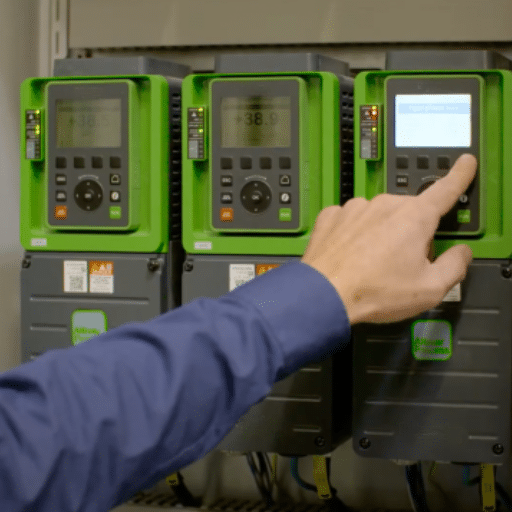
The development of new algorithms in variable-frequency drive (VFD) technology for HVAC systems is the primary focus of the following text. These algorithms greatly help energy-optimized VFDs make more precise changes in motor speed, reducing energy waste and improving overall system efficiency. Currently, VFDs are integrated with energy monitoring tools to help building managers monitor usage and identify opportunities for further optimization.
VFDs, with the integration of the Internet of Things (IoT), which is more closely tied to HVAC system operation, are increasingly being managed differently. Real-time data analysis and remote control, enabled by VFDs, are value-adding IoT features that enhance system responsiveness and predictive maintenance capabilities. This development will allow more innovative HVAC solutions that also align with ongoing environmental changes and user preferences.
The current trend in the design of Variable Frequency Drives (VFDs) is to enhance energy efficiency, reduce harmonic distortion, and improve operational reliability. As a result, the new VFDs are equipped with power electronics featuring the latest technologies, such as insulated-gate bipolar transistors (IGBTs), which further enhance efficiency and make motor control more precise, while significantly reducing energy losses. Moreover, these companies are deploying active front-end (AFE) technology to achieve the lowest total harmonic distortion (THDi), thereby meeting the most rigorous regulatory requirements and preventing undesirable effects on the power grid.
The integration of machine learning algorithms into VFD control systems is the most significant innovation. Owing to the outcome of the analysis of operational patterns and the concurrent adjustment of parameters, implementation of these algorithms is, so to speak, nearly equivalent to perfecting motor performance. One result is substantial energy savings, while the equipment’s service life is significantly extended. In the meantime, the use of modular design has contributed to the smooth maintenance of systems. Quicker repairs and more efficient upgrades to the system are now the norm, and the equipment there is only one part of the big picture.
The interconnection of Variable Frequency Drives (VFDs) with innovative, IoT-based HVAC systems has changed the dynamics of system management in modern buildings. In light of this, VFDs, using Internet of Things sensors and cloud-based platforms, can report, in real time, to central control systems the energy used, the system state, and detected faults. The VFD control systems make all collected data available through a centralized Web interface, enabling maintenance engineers to receive early warnings and preventive notifications, thereby preventing unplanned outages or stoppages that lead to facility downtime.
Moreover, the application of advanced data science and the integration of artificial intelligence systems enable dynamic system optimization. For example, the adjustment of motor speeds to perform at the best rate during any given period would be an automatic action coming from the HVAC system in an office building where occupancy and outdoor temperature are constantly changing to achieve the desired temperature with a small budget in mind. The integration of energy-saving devices into HVAC systems in commercial buildings is of great interest, as energy consumption in conventional motorized systems can be reduced by up to 30%. Here, building automation systems that can be controlled and operated remotely are presented as an illustration. These systems are connected to the Internet and, through innovative programming, execute requests, providing the user with data and results.
Summary: This paper evaluates the positive and negative impacts of VFDs in HVAC systems.
Summary: This research investigates the optimal operation of low-voltage VFDs in HVAC chiller systems.
A Variable Speed Drive is an electronic device. Its function is to control the motor speed by adjusting the frequency and voltage it receives. In Heating, Ventilation, and Air Conditioning systems, fans are the most likely components controlled by VFDs, which automatically adjust their speeds to match changing loads, improving comfort and overall system performance. A VFD provides soft-start functionality that limits initial current inrush, thereby improving the life expectancy of belts, bearings, and couplings; moreover, it supports fine-tuned control and interaction with the building automation system for optimal performance.
Energy savings are a key purpose of VFDs, since they enable motors to run at any desired speed, with power demand falling off sharply for centrifugal fans and pumps, where power consumption is roughly proportional to the cube of speed. When airflow and water flow are matched to actual needs, the inefficiencies from throttling losses imposed by dampers and valves are eliminated, and VFDs save energy. This kind of control not only reduces electricity bills but also reduces wear and tear on mechanical components and extends equipment life. Furthermore, VFDs, with controls and sensors, enable optimized schedules and setpoints that improve the plant’s energy efficiency.
Variable Frequency Drives (VFDs) can introduce harmonic distortion into the power grid because their rectifier and inverter units generate non-sinusoidal currents, which can adversely affect utility supply quality. It is common practice to use a line reactor, harmonic filter, or active front-end drive to minimize harmonics, depending on the severity of the distortion and site conditions. Proper grounding, cable routing, and EMC filtering are other methods that can be used to minimize electromagnetic interference and thereby reduce the potential impact on sensitive controls and communication networks. The engineer should conduct a harmonic study, either during design or during retrofit, to identify the necessary remedial measures.
Regular maintenance for Variable Frequency Drives (VFDs) includes cleaning the cooling paths, ensuring proper ventilation, verifying connection torque, and inspecting capacitors and fans for signs of wear to prevent overheating and failure. Troubleshooting typically begins by checking fault codes and monitoring drive status indicators, followed by measuring input/output voltages, the motor’s isolation resistance, and the communication links to the building monitoring system. It is crucial to verify that the parameters set for motor nameplate data, control logic, and protection limits are configured correctly to prevent unwanted trips.