Ready to Get Your VFD Solution?
Whether you need a single drive or a complete system, we have the VFD products and engineering support to ensure your project's success.


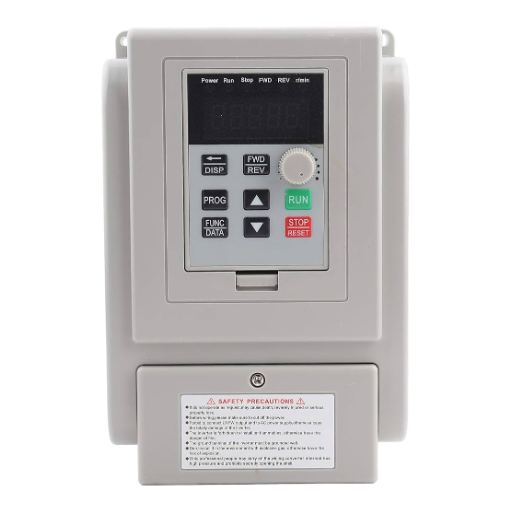
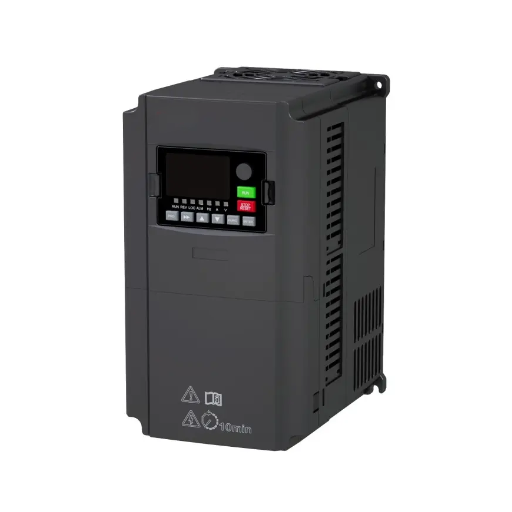
In various commercial and industrial settings, Variable Frequency Drives (VFDs) are instrumental in the process of speed control and motor torque, variables that play an essential part in the operation of machines. To enhance performance, conserve energy, and increase system reliability, engineers, technicians, and decision-makers must focus on the internal components of a VFD. This article penetrates the motive aspects of the architecture of the VFD, explaining each critical component, its corresponding functionality, and how it contributes to the overall operation. This excellent textbook, tailored for enhancing your practical knowledge or troubleshooting faulty VFD systems, will guide you through the concepts and features.
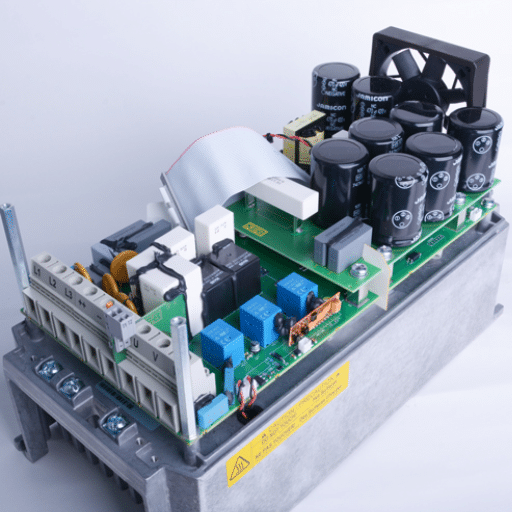
Variable Frequency Drives or Variable-Speed Drives are electronic devices constructed by regulating the speed and torque, somewhat by varying the electro-mechanical input frequency and voltage. Essentially, VFDs operate with three stages – the rectifier, the DC bus, and ultimately the inverter. The rectifier converts incoming AC power into DC power using DC bus. The DC bus is employed to store energy from the rectifier and deliver clean power to the inverter. The inverter then converts the DC power back into variable-frequency controlled AC power. The precise control over motor operation does indeed permit better energy use, lesser mechanical wear, and best system performance in a plethora of contexts, including HVAC systems, industrial automation, and the like. Building a sound foundation based on understanding the basic framework for these processes certainly helps in facilitating operations and maintenance related to the VFD system.
An inverter is a device designed to control the speed and torque of an electric motor by adjusting the frequency and voltage of the power supply that the motor receives. To be more specific, in an application where incoming AC power is converted into DC through rectification, it then goes through a VFD, at which point the DC power is ultimately made into controlled AC power made available at the right frequency and the right voltage with the help of an inverter. Giving a high level of control and adjustment to the motor speed and torque provides optimum operation that meets exactly the requirements of handling particular applications.
VFDs have become more sophisticated with additional features such as energy-saving modes, automated controls, and diagnostic tools to enhance performance and reduce energy consumption and mechanical wear. These are deeply integrated within a range of applications, including manufacturing plants, HVAC systems, and water treatment, where motor speed control directly impacts effectiveness and cost. The recent development noticed includes improved IoT integration for better reactive power management that would provide holistic solutions over sophisticated industrial processes.
Being able to configure industrial systems for improved energy efficiency and operational flexibility remains a critical advantage of Variable Frequency Drives (VFDs). Since they control speed and torque of motors, they help processes adapt to any load and production requirement dynamically, thereby providing considerable energy savings. As suggested by a recent field survey, in motorized systems, VFDs can save up to 30% in energy via their skillful avoidance of mechanical stress from sudden starts and stops.
Moreover, the system integration of VFDs into advanced automation systems became an industry assumption and has been utilized in extensive applications in various industries. However, as the operation of such drives advanced with the development of predictive algorithms-based maintenance, availability through connection to an Industrial Ethernet network, and real-time monitoring, the system had fewer downtimes than ever before. The VFD was now utilized much more widely with companies for controlling different types of variables in many industries, such as oil and gas, food processing, and wastewater treatment, and the overriding operational issue would be precision control over process variables.
When a VFD operates, it effectively alters the frequency and voltage that run leads from an electric motor, thus controlling speed and torque as needed. The process was kicked off with the use of a rectifier to transform the incoming AC current into a DC current. This power is then cleaned of its ripple using capacitors or inductors in order to form a clean DC link. Then, an inverter takes that DC power and turns it back into an AC signal with a variable frequency (which would run the motor). The AC signal’s frequency consequently affects the motor’s speed, while voltage assures adequate power flow across a varying load range.
Modern variable frequency drives (VFDs) have improved the quality of their control of the motor using advanced pulse-width-modulation (PWM) techniques along with a significant reduction in harmonics. Secondly, such drives can evaluate conditions and provide instantaneous corrections, allowing for the most efficient performance of a motor, while the other purpose is to save and protect the life of the same motor. It makes use of microprocessors, often embedded, and applies an algorithm, both embedded, that can kick in and ensure the motor always runs under the best conditions. Additional integration with industrial automation systems bears even added value with regard to overall system quality, as it streamlines control of numerous complex processes.
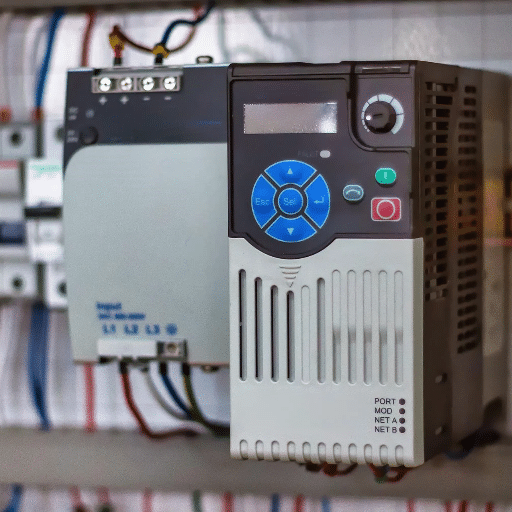
These systems together allow the speed regulation of a wide range, an energy-efficient solution, and guaranteed operation of the motor under various industrial applications.
The inverter forms the integral part of the Variable Frequency Drive, multiplying the fixed DC voltage given by the rectifier into an AC output of varying frequency and voltage. This is done by applying the advanced techniques of Pulse-width Modulation (PWM), whereby insulated-gate bipolar transistors (IGBTs) switch at a high frequency to generate the desired AC waveform. The precision obtained from this process facilitates the generation of engineered control of the motor speed and torque, ensuring reduced loss of energy.
Recent inverters with extremely strong thermal management designs ensure that their cooling systems allow for, among other things, the safety and increased reliability of these devices for varying kinds of loads. They, at the same time, have complete fault detection mechanisms in place, should an overvoltage, overload, or overcurrent scenario arise, that’s perilous to the operationality. This contributes to even better performance, higher energy efficiency and the optimization of multiple industrial operations that call for inverters.
Rectifiers are key devices in electrical engineering devoted to converting alternating current into direct current, a function that powers varied electronic devices and industrial equipment. They find their operation through the use of semiconductor devices like diodes or silicon-controlled rectifiers (SCRs) that let only one-way flow of electrical current, ensuring unidirectional flow of electrons. Emerging technology has helped modern rectification mechanisms to become more efficient and (consequently) achieve a much greater reduction in energy waste during their conversion. High-frequency converters have found their right place in power supply systems to support even smaller indispensable designs and to minimize heat sinks. Total Harmonic Distortion (THD), in some cases, plus real-time energy parameters and power factor, are continuously scanned by the rectifier systems in an attempt to ensure compliance with industry standards, thereby improving their overall efficiency and reliability when dealing with telecommunications to renewable energy systems.
The DC bus plays a vital role in modern-day electrical systems, operating as the central highway through which DC power is distributed most efficiently to various components downstream. It works on a design optimized for energy gains and minimal energy losses, critical for operation to maintain system efficiency and operational stability. A good material for DC busbars ensures high electrical and thermal conductivity, such as copper or aluminum. Such materials support high currents while keeping resistive losses low.
Significant strides have been made in enhancing the performance of DC bus system technology through the use of reinforced insulation materials, improved thermal management, and the capability to support high voltage. For instance, high-voltage DC (HVDC) systems dependent upon DC buses connect renewable energy sources, including solar and wind farms, with the main grid, enabling the efficient transference of power over long distances. The industry standards set out such parameters as voltage ripple and load balancing, which have to be monitored very closely to avert disruptions, thereby achieving tolerable system reliability. Moreover, more and more trends today envisage modularity to ensure scalability, safety, and ease of maintenance in complex networks of power distribution.
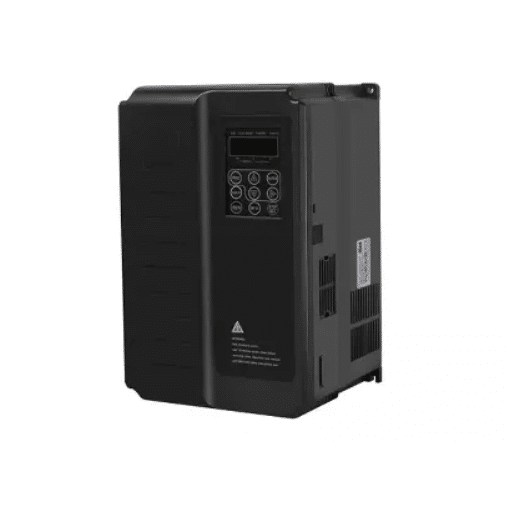
The Insulated Gate Bipolar Transistor (IGBT) has catered to its relevance in modern power electronics since it performs as an indispensable power semiconductor device. The device is uniquely characterized by bringing together a specific group of complementary features from Bipolar Junction Transistors (BJTs) and power Metal-Oxide-Semiconductor Field-Effect Transistors (MOSFETs), for example, low conducting losses and high switching efficiency. IGBTs basically find their purpose in high-power applications, renewable energy, and industrial automation, which require high efficiency and reliability.
An IGBT operates on voltage control, offering ease of interface in driving circuits, and taking care of the high current and voltage well. Current designs incorporate certain features, such as soft-switching and superb gate control, to reduce electromagnetic interference (EMI) disturbance and dissipate heat well. The latest IGBT modules will establish a reverse current to the utilized integrated diodes, bringing in an interface that can switch in more complex circuits.
Performance parameters of IGBTs constitute the switching rate, voltage and current limits, thermal resistance, and overall efficiency. Emerging trends work towards lower performance deficits and shift towards higher frequency operations, which help in compact system design and display improvements in energy efficiency. The surge in wide bandgap materials, including silicon carbide (SiC) technology, is broadening the range of designs offered by IGBTs, therefore allowing for higher thermal thresholds and power density in demanding environments.
The origin of harmonic distortion in Variable Frequency Drive (VFD) systems is primarily due to the non-linear characteristics of power electronics. Rectifiers draw current non-sinusoidally, and as a result, the flow of harmonics occurs in the electrical system. The harmonics, generated at multiples of the fundamental frequency, can flow through the power distribution network, potentially affecting any other connected equipment. Common harmonics observed in VFD systems include 5th, 7th, 11th, and 13th order harmonics. Beyond this, the harmonics of higher orders are less dominant but still have a noticeable impact under certain conditions.
That can disturb all kinds of things. For one, the VFD is in trouble. The rest of the power circuit is feeling the problem as well. When harmonics are present, they raise the power loss in machines like transformers, cables, and motors, primarily due to additional heat generation. Another thing harmonics can do is develop weird sets of voltage distortions. These are extreme versions and can shut down the equipment, alter life, or trip protective devices. Motor errors such as increased torque ripple, increased vibration, increased noise, and resultant poor efficiency will become noticeable with technical difficulty. Moreover, harmonics also bring about lower power quality, subjecting them to penalties imposed by utility companies if they exceed the total harmonic distortion (THD) limits through standards such as IEEE 519.
| VFD Type | Technology | Applications | Advantages | Disadvantages |
|---|---|---|---|---|
| Voltage Source VFDs (VSI) | Simple design, uses DC link | Fans, pumps, conveyors | High efficiency, cost-effective | Lower power quality |
| Current Source VFDs (CSI) | Uses an inductor-based DC link | Large motors, steel mills | Robust, regenerative braking capability | Bulky and less common |
| Pulse Width Modulated (PWM) | High efficiency, smooth control | Robotics, material handling | Precise speed control, flexibility | More complex circuitry |
| Direct Torque Control (DTC) | No modulation, direct flux control | High-end industrial motors | Superior torque accuracy | May require more computational power |
| Scalar Control VFDs (V/Hz) | Simple control, maintains the V/Hz ratio | HVAC systems, basic motor operations | Easy implementation, low cost | Limited dynamic performance |
| Vector Control VFDs | Advanced, precise field control | Cranes, elevators, complex machinery | High performance for dynamic loads | More expensive and technical |
1. HVAC Systems
Variable frequency drives (VFDs) are largely used in HVAC (heating, ventilation, and air conditioning) to provide automatic speed control of the fans, blowers, and pumps: by automatically adjusting motor speed according to real-time demand, VFDs can provide major reductions in energy consumption; for instance, as has been at least reported elsewhere, the energy consumed with 80% motor speed compared to full speed is nearly halved, according to the affinity laws.
2. Water and Wastewater Management
Water treatment works with pumps and compressors, which are often operated by VFDs to manage flow and pressure. Precise control saves energy acquisition; also, it prolongs the equipment’s life. One study through a variety of field evaluations has shown that the energy saving for using VFDs can reach as high as 40% in municipal pumping stations.
3. Manufacturing and Automation
In industries that operate conveyor systems, mixers, grinders, and lathes, VFDs are essential. Their ability to control speed and torque in a precise manner makes VFDs highly sought-after equipment in industry to achieve the level of quality they are seeking in production lines by reducing the number of rejects and the time engineers have to modify the design parameters. In a fast-production environment, vector-controlled VFDs would efficiently operate with the high-torque needed for optimum operation.
4. Oil and Gas Industry
In the oil and gas industry, VFDs are employed for almost every purpose such as pumps, compressors, and drilling rigs. They render large amounts of torque at lower speeds, for uses such as artificial lift systems or offshore drilling, in situations where accuracy and stability are indispensable. Hence, an attribute of running under a variable frequency drive, apart from scale-step control, adds to the combination of bridging the operating consistency with less power consumption.
5. Mining and Quarrying
Drives are beneficial for fast forward/reverse movement in crushers, mills, conveyors, and lifts. This can enable optimal motor operations whilst reducing friction and energy use. Also, the vector technique provides numerous advantages since it works well, especially for fluctuating loads inherent in the demanding applications for mining uses.
6. Elevators and Escalators
While VF supply gives smooth acceleration and deceleration on the elevator or escalator, which eventually helps to provide passenger comfort and safety, it obviously saves a lot on energy, particularly for high-rise buildings, due to reduced mechanical stress on motor systems as imposed by VFDs.
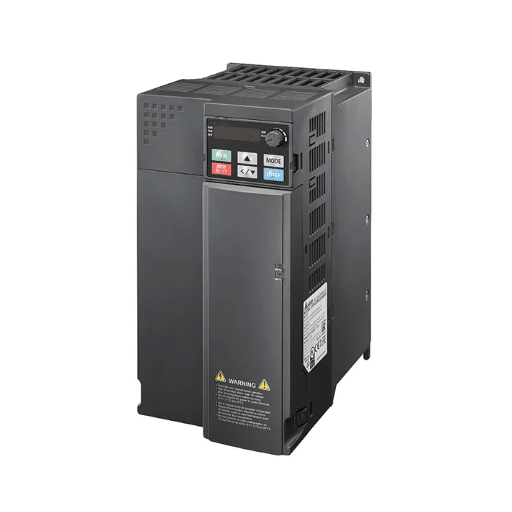
Moving forward, the Variable Frequency Drive (VFD) technology likely focuses on higher energy efficiency, digital sophistication, automation, and sustainability. Smart grids and industrial automation become the driving force for VFDs to play a large role in the IoT system. With newer semiconductor technologies ripping the market, such as silicon carbide (SiC) and gallium nitride (GaN) stepping into the spotlight, the efficiency and durability of VFDs will improve even further. Moreover, the pursuit of sustainability will enhance energy recovery and energy efficiency, thereby ensuring that VFDs contribute to a reduced carbon footprint in the various sectors. A confluence of all of the above developments emphasizes the growing importance of VFDs in the realm of energy and automation.
In the design of variable frequency drives (VFD), artificial intelligence (AI) and machine learning algorithms have found a significant place. This consortium is walking in its domain today. An optimal purpose here was described, though not exclusive as such: these kinds of technologies grab, analyze, and gain online with operational data through software layers. This analysis helps pilot predictive maintenance, a great tool for forecasting and preventing potential faults before they can hamper the performance of the system. These AI-powered VFDs also adjust their performance to fluctuating load conditions to reduce energy consumption and operational expenses.
Another key feature in shaping the future of automation is the convergence of VFDs with the Industrial Internet of Things (IIoT). If one were to take a modern VFD, it would be replete with various communication protocols like Modbus TCP, EtherNet/IP, and PROFINET, facilitating its marriage into an industrial network. With this connectivity comes some bonuses, right at the top floor, being centralized monitoring and control, which would become so much more effective owing to the data transparency and decision support in hand. IIoT-enabled VFDs are so remarkable, as they could allow remote diagnostics all the way to updates that save on time for shutdown and scheduled maintenance.
Turning inward to the fundamental purpose of the converter, the ac input rectifier must stand as the formulator of the entire ac to dc process, so to speak, whereby the alternating current (AC) is acted upon by the converter to give forth a direct current (DC), which in turn propels this DC voltage into the DC bus or DC link. The cap and inductors injected in the DC bus are meant to act as filtering stages in the realization of a stable filtered DC voltage from essentially the raw, if energetically steady, DC voltage. These stages of the converter are made up of diodes or controlled switches. Whereas for up to half a cycle, however, these converters are unable to charge the DC link, depending on the inverted input.
Harmonic distortion is that which arises from the non-sinusoidal currents induced by the AC input rectifier and switching operation in the inverter, contributing to damage to other equipment. VFDs consist of different components such as diodes, rectifiers, and switching IGBTs, which have the potential to let harmonic currents flow through the converter that would enter the grid if not filtered. The design employs DC link inductors or capacitance or external filters for minimizing harmonics by smoothing current and spike control, while active front ends or phase-shift techniques further enhance this.
VFDs feature the polarization tools from the basic scalar controls to complex vector drives and some servo drives to bestow maximum speed control and torque in highly constrained situations that will allow for accomplishing some obligation. Furthermore, energy savings follow and are rife over energy savings. Usually, applying is saved about three times the energy it has taken with the corresponding soft-starter. Besides, VFDs allow for stop-start topologies as part of the motor-feedback admission and improved or degraded forms of other electronic control measures. VFD applications permitted collective drives designed for either single-phase or three-phase motors, or low harmonics or regenerative capabilities to reuse energy regenerative unto the grid.
VFD operation is basically carried out from a controller talking to a platform that trades setpoints and feedback signals to put modulation and frequency output directly under the controller’s command, for motor-speed control via changes in frequency and voltage. Drive control is nothing but the switching on and off of acceleration, deceleration, and torque limits, and provides communication interfaces to allow PLC or building management systems to communicate with the VFD. Getting into the nitty-gritty basics requires knowledge of the five main components of a VFD, which are as follows: the input rectifier, the DC link (or DC bus), the inverter, the control logic, and the other filters, namely the inductors and the capacitors.