Ready to Get Your VFD Solution?
Whether you need a single drive or a complete system, we have the VFD products and engineering support to ensure your project's success.

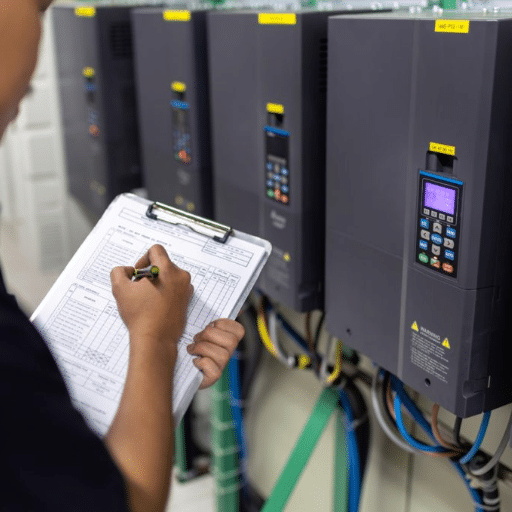
It is very important that Variable Frequency Drives (VFDs) are adequately maintained to keep the expected life, dependability, and efficiency of industrial and commercial systems. Having a maintenance schedule in place not only helps in reducing downtime but also avoids unfavorable circumstances of high-priced repairs and interruptions of operation. By exploring and applying the knowledge in this writing, persons working as industrial technicians, managers taking care of facilities, or operating team members, will be able to take advantage of the best suggestions, time frames for critical maintenance, and be equipped with the right maintenance plan that will enable the VFDs to sustain their high performance. Keep reading to know about the utility of a properly structured maintenance schedule to keep your investment safe and system productivity at the optimum level.
Essential components of the Variable Frequency Drives (VFDs) are the key factor in managing the motor speed, and a lot of power saving can be noticed in all sectors. The reliability of VFDs, in normal day-to-day operations, can be assured by their proper upkeep and their longer life, by the prevention! The occurrence of costs due to failure. In the typical strong VFD maintenance program, there are usually processes such as regular inspections, cleaning to prevent dust build-up, confirming the electrical connections, and monitoring the cooling systems. According to the industry norms, the ideal situation is when these tasks can be planned for certain times so that possible faults can be identified as early as possible and, thus, the performance can be maintained consistently. Keeping the manufacturer’s requirements for maintenance and maintaining the particulars of the maintenance activities are the two major ways to carry out effective VFD maintenance, thus satisfying the industry.
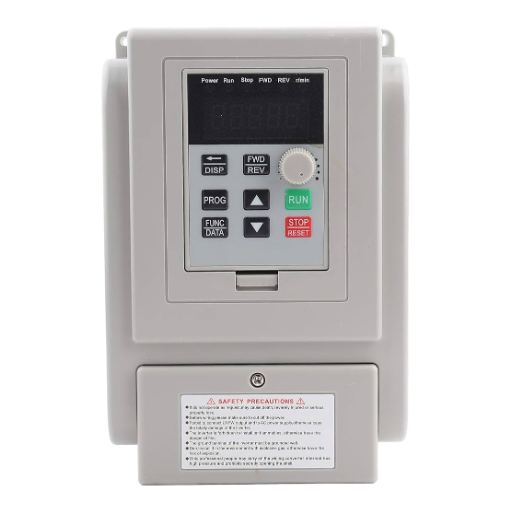
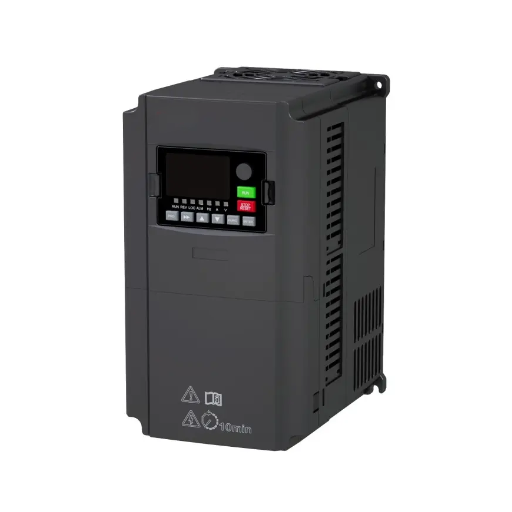
The Variable Frequency Drive (VFD), also called an AC drive, frequency changer, or inverter is a most important part of modern electrical systems as it is responsible for the speed and torque of motor control. Through changing the frequency and voltage at the input of the electric motor, the VFD provides the very exact control of the motor operation, hence energy efficiency and process optimization in the wide range of applications. Mostly applied to AC induction motors, VFDs save the most crucial energy consumption during startup and reduce as well the mechanical stress leading to an extension of equipment service life.
The latest VFDs, among other things, use the very modern semiconductor technology; besides, they are equipped with a programmable logic unit, which enables them to interface with automatic control systems, thereby gaining more important features. These drives have become the leading choice in several applications, like in the manufacturing, HVAC, water treatment, and mining industries, because in all these sectors, the precision of motor operation is the key. VFDs also come with a few saving graces in spanning such as overcurrent, overvoltage, and thermal safeguards, which—as a general rule of thumb— ensure the operators’ as well as the systems’ safety. Offering control and power management VFDs are the main part of the strategies in achieving industrial productivity and environmental sustainability objectives.
Maintenance of variable frequency drives (VFDs) is one of the most important aspects to their optimal operation, extension of lifetime, and blocking out the expensive downtime. One of the important things is to do the inspection and clean the components at regular intervals in order to eliminate the dust and debris that can interrupt the airflow or cause the heating. Besides that, the observation of the state of cooling fans, capacitors, and power semiconductors is very much needed as heating or aging process may decrease their work efficiency.
Key Statistic: It’s been noticed from the recent data that almost 40% of the VFD failures are a result of insufficient maintenance or environmental factors such as heat, moisture, or contamination. Introducing a plan for maintenance can help to lessen these risks through the identification of issues at an early stage, therefore, cutting down on the unplanned downtimes. It is also the case that when the maintenance is done this way, there is a fall in energy consumption and cost of repairs, in addition to a longer operational life of the machine.

Note: After these steps are taken, the risk of a breakdown is reduced and the equipment’s service life is extended, as if the operator were following the same VFD manufacturer’s manual for their processes.

The necessity of having effective inspection and monitoring procedures for maintaining the operational convenience and avoiding unscheduled downtimes can not be overemphasized. Here are the chief sequential steps the whole process ought to be focused on:
Success Principle: If you adhere to these processes, the risks of equipment failure for companies will be minimized, and performance will be optimized.
Normally, the proper execution of the inspection timetable has the biggest impact on the efficiency and reliability of the machinery. Inspections should be carried out with the help of the manufacturer’s recommendations and other relevant factors, as well as their results, and historical data. For example, mechanical and electrical machines that have to withstand severe working conditions and continuous use may be in need of periodic checks very often, whilst machines with less work and better environmental control may require fewer checks. Data-based decisions based on production or any other related information on the machinery, such as trends on wear rates and the machines’ consumption of energy, will help in making further modifications to the schedule that will suit the needs of the plant exactly.
Following the recommended checkup timeframes not only will be in accordance with the necessary safety and operational parameters, but also can discover prospective problems before they become big failures. The machinery-based sensors, as a part of the Internet of Things, are among the advanced tools used today in the industry to collect data and increase the accuracy of planned maintenance. This being the case, the two approaches, when nested together, will be able to result in maintenance plans getting optimized and, thus, furthering the system working performance and having machinery to be in operation for as long as possible.
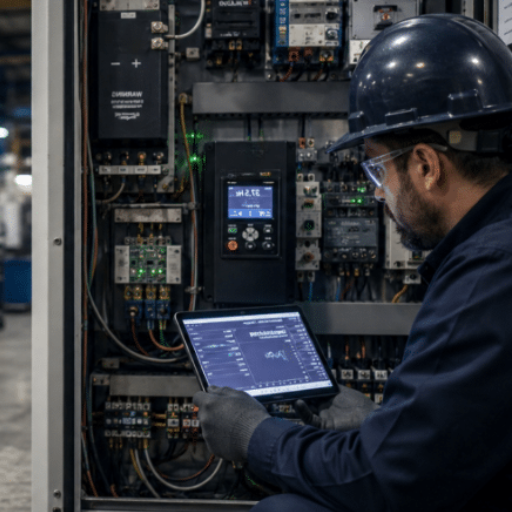
The root parameters should be under constant surveillance to avoid operational inefficiency and ensure that equipment and systems are in their top forms at all times. The complicated interconnected sensor technologies can be calibrated to values of temperature, pressure, vibration, and energy consumption. Regular monitoring is beneficial to avoid major losses due to early detection of problems and to ensure the machines are correctly set up. The trends in energy consumption or pressure variations, especially in the case of pneumatic and/or hydraulic systems, are important since they may lead to making significant amounts of energy or equipment failures. Energy consumption analysis, although initially time-consuming, is very groundbreaking in the long run and can help in not only pinpointing unresolved usages but also assist in the application of energy saving measures.
Current-time technology that uses large scale data analysis and machine learning to make monitoring techniques better than ever and as a result, to predict maintenance solutions is another term for predictive maintenance. By matching the data of the equipment that has been working in the past with the data coming in right there and then, operators can anticipate when a breakdown might occur and allocate resources in the most effective way. In doing that, maintenance hours will be kept at a minimum while the reliability of the whole system is increased and operational costs are cut.

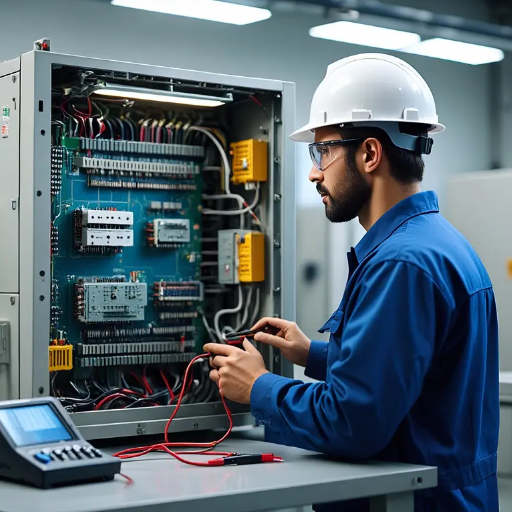
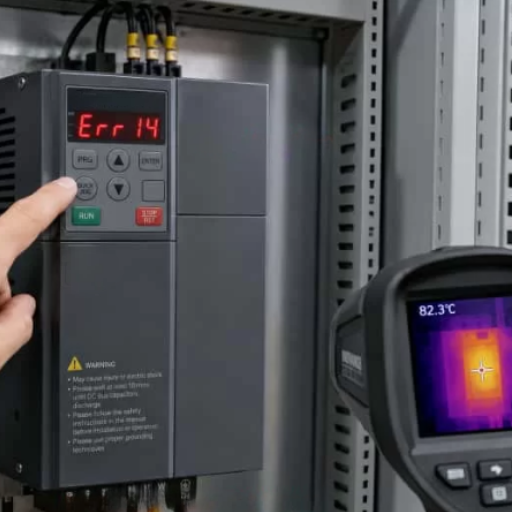
It is the least we can do to have the electric connections firm and safe, which in turn will lead to better system performance and life expectancy. To some extent, the whole process starts with checking the terminal blocks, connectors, and junctions for signs of corrosion, overheating, damage, etc. Furthermore, a loose or oxidized connection will increase the resistance, thus overheating and finally leading to a dead component. Do not forget to apply the torque wrench as per the manufacturer’s specifications. Moreover, thermal imaging equipment can map and flag hotspots that rely on heat to expand and be seen in a physical inspection. In the event that the inspection will only be done through sight, which is impossible, it is still important to schedule and apply an anti-oxidant on the terminals to stop the potential failure of the equipment.
Proper maintenance of cooling fans is essential for the efficient operation and lifetime of any thermal management system. Dust and debris clogging up the fan blades and housing can block the airflow by a great percentage, which then leads to overheating and damage that may be irreversible. Therefore, it is highly suggested that there be a cleaning schedule for the fan blades, grille, and vents by using a soft brush or compressed air, thus making it impossible to damage any sensitive components.
Do not forget the fact that with the production of ever faster and more powerful computers, there will be a directly corresponding increase in the amount of heat they generate. To efficiently cool your computer or avoid the costly process of a hardware upgrade, fan speed control is one of the most essential controls. A typical fan failure might take place suddenly and within a very short time and then be followed by a severe failure that could have caused the former if a fan had not been installed in due time.
Also, making sure that the electrical connections are proper is very crucial. The reduction of the efficiency of the fan or sometimes the improper operation might be caused by the connections that are either loose or corroded. The situation with the connectors can be made better by checking them and applying dielectric grease where needed. For systems that are operated hard or are in dusty conditions, it is a good idea to have inspections more often than the manufacturer’s recommendations. This is needed to get the air flow and temperature regulation at their best.
Cleaning the inside parts is a very important step and it is a common practice among many system owners. Dust, residue, and dirt can accumulate on circuit boards, heat sinks, and fans, thereby causing the system to overheat and reduce its efficiency. By using the above-stated idea, the user is advised to apply compressed air using a pump. Still, it is recommended not to let sensitive electronic parts come into direct contact, else damage can occur. Also, the more serious dirt cases can be treated with isopropyl alcohol (IPA) of 90% purity or higher, where lint-free swabs can be applied and there should be very little residue left.
For computer systems having robust cooling systems, regularly monitor and clear the thermal paste on the CPU or distinct important chips. The thermal paste that is very old or degraded should be replaced as it may be the cause of poor heat transfer and replaced with high-grade coolant from the processor in question. At the time of wiping, make sure that all parts are totally switched off and the power supply is disconnected so as to avoid electrical harm or damage to the part. Observance of the cleaning instructions, on the whole, makes it not only the system very dependable but also maintains the system’s functionality over time.

Having a set of agreed-upon documentation and record-keeping practices is imperative in order to preserve system performance data, ensure compliance with industry regulations, and expedite issue resolution. It is vitally important to maintain logs that cover all aspects of the system, including maintenance, replacements, and configurations. System documentation should be systematic and well-structured to be an effective tool in problem tracing and solving and be a source of information for up-gradation planning and adherence to the operational procedures. Create pretty folders with the help of world-class stickers and make use of standardized templates for different document types for the purpose of making docs of high availability and quality, and thus preventing misinterpretation. Records should also be reviewed and updated regularly so that they remain up-to-date and can be of use.
A well-kept record is a great help in managing the machinery and systems effectively. In addition to being troubleshooting-friendly, it logs the operational events in a chronological manner and thus makes the premises of the so-called big data decision-making come true. Whenever this is done, it also exposes the machines that are up for a tune-up, hence eliminating the chances of further issues and even initiating steps ahead of time. A maintenance log that is always up to that day with recent updates also serves as a means of following regulations, as it guarantees that the industry standards and legal requirements are being satisfied. Of course, the establishment of the link between analytical tools and a maintenance log that is full of detailed records enables organizations to become very efficient resource allocators, minimize downtime to a certain extent, and make the best use of their critical assets. Such a systematic way of operating helps not only in the streamlining of the workload but also in the reduction of the operation cost while still keeping the machines functioning smoothly.
We should begin the process by doing a very profound visual and electrical inspection in order to find any signs of wear, loose connections, or seals that may be broken and thus affect the overall condition of the unit. Then stick to the maintenance schedule and do preventive checks of cooling fans, capacitors, and bus capacitors, making sure to change the components in time to decrease the failure hazard and also extend the equipment’s lifespan. When cleaning up the enclosures and checking the ambient conditions, follow the best practices in order to have the equipment and the environment in the perfect state thus preventing harmonic issues.
Generate the preventive maintenance guideline that includes the following tasks to be done daily, monthly, and yearly: data backups, monitoring inside temperatures, and making sure that the connections are not corroded. Moreover, the maintenance schedule must include the inspection of the circuit boards, fans, and the sealing of the device to keep dust build-up and high temperatures under control in the ambient surroundings. It also helps to catch power quality problems and bus voltage problems much earlier by implementing an appropriate and timely action and repair. Saving snapshots of parameters and the PDF test reports also helps in the commissioning and future fault-finding.
Implement procedures for inspection that should involve not only a visual examination for lost screws, leaks, and contamination but also checking the flow of electricity through the machine which is going in and out as well as the condition of vibration for the detection of any abnormal conditions. Monitor the technical specifications such as the main frequency, the speed of rise, and the thermal capacity on a regular basis to avoid failures and the extensive deterioration of the electronic parts. Take advantage of an infrared camera to inspect all electrical terminations and bus bars for high temperatures, which might be an early warning of a defect.
It is important to check cooling fans and electrical connections every month at the minimum, especially at places with a lot of dust or where the atmosphere has a high temperature level; and every three months at those places with cleaner settings to avoid the risk of overheating and connection faults. The straightforward method to handle the matter was by tightening all connections to the recommended torque, exchanging the worn-out fan blades, and last but not least to confirm that there was the right airflow regularly passing through the enclosure to avert thermal stress on the electronic components.