Ready to Get Your VFD Solution?
Whether you need a single drive or a complete system, we have the VFD products and engineering support to ensure your project's success.

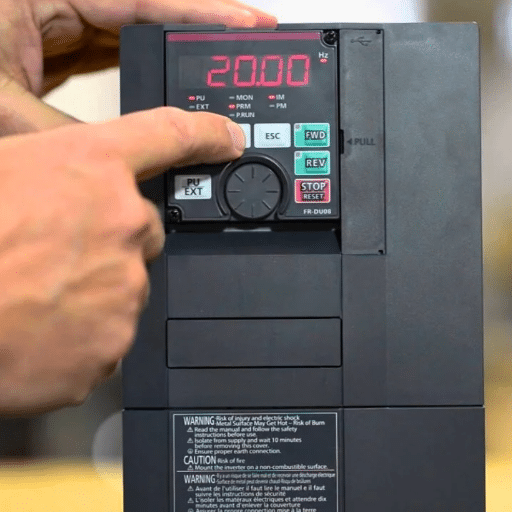
The efficient setup of Variable Frequency Drives (VFDs) in HVAC systems is a very important step in the direction of faster and more reliable systems as well as the best operational performance. Whether you are going with VFDs in a new system or you are going to retrofit them in an existing setup, having the knowledge of setup, tuning, and optimization can have a significant impact on the overall functionality and lifetime of your equipment. This article elucidates the founding principles of VFD commissioning, providing a step-by-step guide on the correct configuration, fine-tuning for precision, and energy saving up to the system’s stability limit. The steps and guidelines to follow for the HVAC system to reach its full potential will be lucid and bounteous by the time you finish reading this comprehensive piece.

VFDs are the very heart of today’s HVAC systems being used mainly to control the speed and torque of the motors. They are meant to change the motor output according to the need, resulting in the more efficient use of energy and lower operating costs. VFDs work by changing the frequency and voltage supplied to the motor, thereby ensuring that devices like pumps and fans operate only at the levels required. It makes the operations more than just efficient but also reduces the wear and tear of equipment, thereby extending their lifespan. The correct installation of VFDs can bring massive energy savings and an improvement in the climate control of buildings, making them essential in ecological HVAC technologies.
A variable frequency drive (VFD) is a great electronic device used to control the speed and torque of AC motors by changing the motor input frequency and voltage. This feature makes it possible for VFDs to adapt motor performance extremely accurately to the current system demands. The technology has its operation in three main areas—rectification, DC bus, and inversion. To start with, AC power that is coming in is changed into DC with the help of a rectifier. Following that, the energy is stabilized and prepared for the inverter at the DC bus, which changes it back to AC with the required frequency and voltage so as to control the motor.
Variable Frequency Drives (VFDs) are extensively utilized in the automated control systems due to their exceptional energy efficiency and operational ease being unchallenged. The installation of the right VFD can lower the energy bill by half, especially in the variable torque systems that are fans and pumps. Moreover, advanced VFDs have most of the required state-of-the-art features, i.e., programmable logic controllers, predictive maintenance alerts, and communication protocols for integration with automated control systems, thus resulting in increased value in industrial and commercial environments.
Variable Frequency Drives (VFDs) are almost unquestionably motor control’s most crucial component due to their ability to provide on-the-spot adjustments to motor speeds and torques thereby matching the requirements of real-time operations. Transforming this capability into a process efficiency booster also, and moreover, a material life prolonger, as mechanical stress on equipment is evident to be much less during both startup and deceleration. Electric consumption can be minimized as VFD technology is moving ahead with energy optimization algorithms, which are now in place, and at the same time very much in line with the green agenda of most organizations and governments. in other ways. In addition to this, VFDs also back up predictive maintenance through continuous performance data provision, such as IoT platforms and advanced data analysis. The convergence of these two areas also means that the case for VFDs being the motor control system–while you might say it is quite the same from an economic point of view.
HVAC systems must operate at top speeds due to Variable Frequency Drives (VFDs) adjusting the motors’ running time to the requirements of the load. It has been shown that the installation of VFDs could decrease drastically the power utilization by up to 50%, particularly when the scenario changes such as heating or cooling systems. The hefty load situations still significantly contribute to the overall cost savings in energy and achieved environmental targets.
The supply of VFDs helps in getting motor speeds under control and this way improving the system dynamics, which will have the consequence of a very fine and consistent temperature and airflow. The control of the temperature fluctuations and enhancement of the comfort of the occupants may also be facilitated as the system will no longer undergo wear and tear due to sensible operational changes although abrupt.
The ability of VFDs to start softly lessens the load on HVAC components like compressors, fans, and pumps through the use of less power for starting and through the less mechanical shocks to the system. By greatly extending the time for which the equipment can work perfectly through this simple way, the cost of having to replace it can be cut down.
Modern VFDs have increasingly advanced in their monitoring and diagnostic capabilities which has greatly facilitated the application of proactive maintenance approaches. They promptly provide the required information about the performances and potential problems, thus leading to corrective actions that contribute to the reduction of unproductive downtime occurrences and cost of repair.
By the way, VFDs are helpful in improving the power factor by regulating the motor operation close to its rating. Besides, complex VFD designs come with the filter technology that cancels out the harmonics produced by the motor, hence minimizing electrical distortion in power systems or ensuring compliance with the grid standards and thereby enhancing the power quality as a whole.
It is also possible to employ VFDs to fit a variety of HVAC applications, even from the standpoint of becoming part of the Building Management Systems (BMS) and Internet of Things (IoT) platforms along with building the systems. Such a situation is favorable for the building and HVAC systems to adjust swiftly to the variable operational conditions whether the case is a small warehouse or a big industry.

A recommendation is to inspect the VFD and its associated equipment thoroughly. Look for destroyed, correctly mounted, and securely connected electrically. Ensure that the motor and VFD specifications are in line.
It is electrical safety measure by verifying that the power supply and the rated voltage and frequency specified by the VFD match. Another tool to be used to provide grounding as well as to keep apparent safety and avoid electrical noise interference.
The conclusion point nevertheless must be that the input power cables are kept tied to the input terminals of the VFD and the motor leads to the output terminals. Carry out a double-check on the tightness of the terminals to avoid various serious faults.
Navigate to the VFD control panel software or interface to set essential values such as motor-rated voltage, current, frequency, and the application-specific settings. Always refer to the VFD user manual for assistance with decisions that are controlled and systematic.
Conduct a test on the idle state, in order to verify the proper rotation of the motor and the general stability of the VFD. Add the load step by step and observe the reaction of the system. Change the settings if needed according to the test.
The overcurrent protection, thermal overload setting, and emergency stop mechanism are features that need to verify their functionality. Also, the safety requirements of the company should be met, and local regulations should be abided by.
Make a chronological record of the commissioning work and write down the parameter settings, test results, and all the changes that you made. Present the whole content in a well-organized and clear report; this will be very useful for future reference and maintenance work.
Variable Frequency Drive (VFD) needs to be prepared properly before it is installed if one wants the installation to be a success. The detailed steps elucidate the process of the implementation with utmost precision and also guarantee the long-term operational reliability:
Furthermore, always ensure that the power supply’s voltage and frequency are identical to the VFD’s requirements. Also, you need to remember about the grounding of the system which will protect against electric noise and, in general, safeguard all delicate electronic elements from being impaired.
Equip yourself with the cables that match the specific VFD’s model requirements in terms of voltage, current, and shielding among others. You are also advised to keep power and control circuits apart from each other to minimize electromagnetic interference (EMI). The motor cables are to be shielded and kept within the manufacturer’s length limits in order to get the best performance.
Find out whether the electrical system also has appropriate circuit breakers, fuses, or other protective devices to the specific VFD ratings. This will protect the VFD and its related equipment from high current and electrical malfunction conditions.
Ensure that the connected motor meets the same power of the VFD regarding voltage, current rating, and insulation class. Also, verify if there are any arrangements for the thermal protection of the motor against overheating during the operation.
Prepare and develop the control circuit to correspond to the need for operation. This may have digital inputs, analog signals, or communication protocols like Modbus or Ethernet as part of the control system. Commissioning the control and parameter-setting logic is advised before the system gets energized.
Through these steps in thorough preparation, the installation of the VFD will be easier, lessening the time of downtime during the commissioning, and ensuring the observance of technical standards.
| Parameter | Description |
|---|---|
| Motor Voltage | Set the motor’s rated voltage. |
| Motor Current | Define the motor’s full load current rating. |
| Motor Frequency | Specify the nominal frequency of the motor. |
| Acceleration Time | Adjust time needed to reach full speed. |
| Deceleration Time | Set the time to slow the motor to stop. |
| Maximum Frequency | Define the highest operating frequency of the motor. |
| Minimum Frequency | Set the lowest frequency for motor operation. |
| Control Mode | Select V/Hz, sensorless vector, or direct torque control. |
| Input Voltage Range | Specify acceptable input voltage range for the VFD. |
| Carrier Frequency | Adjust switching frequency for noise or efficiency trade-offs. |
| Overload Protection | Enable to safeguard the motor from excessive current. |
| Torque Boost | Adjust motor torque at low speeds. |
| Communication Settings | Configure protocols like Modbus, Ethernet, or PROFIBUS. |
| Output Voltage Limit | Set the maximum output voltage to protect equipment. |
| Auto Restart | Allow the VFD to restart after power loss or faults. |
| Multi-Speed Settings | Program predefined speeds for different operations. |
| PID Control | Enable closed-loop control functions for precise output. |
| Fault Diagnostics | Configure alarms and fault monitoring systems. |
It is very important to specify the operational requirements of the application, such as speed range, load type and desired performance outcomes. This clear mission, in the beginning, helps the tuning process to be matched with the intended use in the end.
Beginning the tuning with the parameters of the manufacturer at the default values. It is these parameters that are most likely to be best for the average use and serve as a reliable basis for further customization.
After that, you can set the operating time of the drive so that the times are just allowing for the characteristics of the load by proper settings. It means that configured times either prevent system components from overloading or the mechanism from wearing excessively.
In the case of PID control being used for the application, it is very important that the tuning of the proportional, integral, and derivative values should be done with very high precision. The settings should be adjusted continuously so as to reach the stable loop performance that is effective and not time-consuming.
It is recommended to check and test regularly the fault protection parameters like overvoltage, undervoltage and load monitoring. This is the way to secure the equipment from the possible failing during its operation.
Employ real-time monitoring mechanisms to check how the VFD reacts to change in setting. Make adjustments in parameter settings on a trial basis according to the data received and eventually results will get better.
Ensure to take note of all the changes in the parameters and the corresponding results. This proper documenting will ease the process of trouble-shooting and will also be a good reference for future maintenance or upgrades.
Modern Variable Frequency Drives (VFDs) come with built-in auto-tuning features that are smart enough to optimize the system’s efficiency as well as the performance of the motor. These characteristics make it possible for the automatic process to determine on its own the motor’s most significant parameters like stator resistance, inductance, and rotor time constants without the need for manual interaction. Through the use of accurate algorithms, the process of auto-tuning is very dynamic and it continuously tunes the control parameters as to maximize the motor drive’s performance with respect to the expected torque, energy consumption, and the speed of the motor under load.
One of the main factors to be aware of is the fact that making the auto-tuning process a part of the operation is actually causing the system to undergo a certain amount of power loss. Indeed, there are various factors that contribute to the power loss, such as the motor, the inverter, and other losses in the power circuit. For instance, some of the VFDs have the adaptive filter feature on which the system performance is being monitored continuously and being adjusted in real-time as a measure to counteract the issues of torque ripple, excessive vibration, or non-constant spinning.
This technology really comes in handy in situations where precision control is a must, like in robotics, conveyor systems, or HVAC systems. By matching the drive parameters with the motor’s characteristics perfectly, auto-tuning greatly improves the overall system reliability, mitigates the downtime, and reduces the energy consumption. The seamless integration of auto-tuning into advanced VFDs highlights its crucial and vital function in the inconsistency and the problem of energy that is at a minimum rate in the industrial world.
Manually adjusting the controls is still a vital method when it comes to the setup of specific or highly custom industrial systems that are to be controlled with great precision and whose requirements are beyond the reach of the auto-tuning algorithms. The standard practice for it is to start by determining the system’s key characteristics, for example, inertia, load torque, and speed specifications. Subsequently, the operators make constant (P), integral (I), and derivative action (D) adjustments – known as tuning PID values – to the control parameters to make them perform at their best. A more detailed way to tune the system is by utilizing the methods like the step-response analysis or the frequency-domain techniques, these provide high precision tuning.
For example, it is necessary to make iterative and mostly manual adjustments to damp the oscillations and nullify the overshoot in order to achieve optimal response time and positional accuracy in machining applications such as CNC. In the same way, the stability of the conveyor systems with changing loads could be more critical for the operators, and thus they would slow the system down until it suits the load conditions. Manual tuning processes are stated in the industry data as a way to reduce vibration-induced wear and increase operational longevity. As a result, by integrating manual adjustments into the tuning strategies, the operational challenges, even those that are unique, are very precisely dealt with.
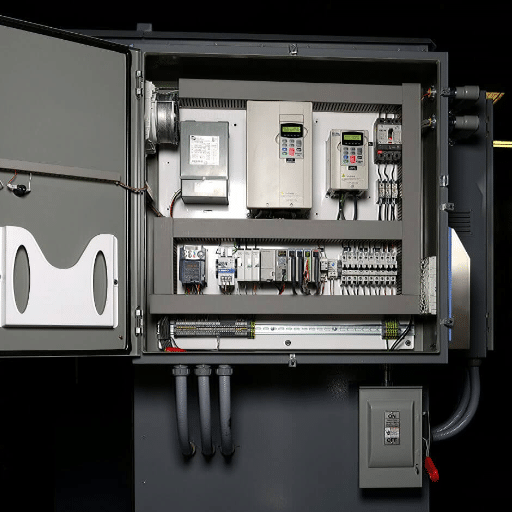
One of the most advanced and best working ways of optimization is the use of adaptive control systems. These systems are so smart that the control parameters will be adjusted dynamically, thus, in the real-time, based on the feedback coming from the operation and the changing conditions. Contrary to the static ones, adaptive controllers make use of those kinds of algorithms that keep the system output, error margins, and environmental variables under a constant check, hence they are providing ample and satisfactory performance at the Optimal level.
Adaptive control systems offer a significant advantage because they can predict what is going to happen, such as loads that swing up and down or things being different, without any person having to interfere with it. This way, the system not only becomes more efficient but also lessens the maintenance tasks by going ahead of time to solve potential instabilities. In the case of very complicated systems, the use of machine learning algorithms in parallel can lead to an even higher adaptability, as they will spot out certain mistakes and correct them even before they turn into inefficiencies.
Vector control illustration for better proficiency depends on the very exact adjustment of motor parameters, which are torque and flux, to optimize performance among various operational situations. Vector control, or field-oriented control (FOC) as it is also known, utilizes mathematical transformations that dissociate these parameters and thus allows separate management of motor output. This technique is a great asset in AC motors, demanding great efficiency and dynamic response in their operation.
The latest algorithmic innovations in vector control have come up with the so-called real-time modulation methods, including the direct torque control (DTC) and the predictive control model. Advantages of those systems mainly lie in the performance improvement by shortening the response time and lessening the power losses during switchings which are highly relevant to the total system operations. By changing the parameters dynamically in a millisecond vector control system is able to provide the optimal motor efficiency in a wide operating range even if the load or condition may be varying.
Variable Frequency Drives (VFDs) are an essential part of the process of increasing energy efficiency in industrial and commercial applications. The most efficient strategies usually include a plan to change the motor speed according to the load, as the energy use of motors is very high for their operational speed. The VFDs then become the ones to use less energy but still operate properly. Furthermore, the use of advanced algorithms that are responsible for the accomplishment of load monitoring and adaptive control, can help VFDs to vary the power delivery adaptive.
The energy-saving modes in modern VFDs vary, and one of those modes is regenerative braking. With regenerative braking, the additional kinetic energy that is not needed for the operation of the machine is stored in the system and sent back to the power grid or even reused. High inertia applications, like conveyor systems, or elevators, where must frequently decelerate, benefit most from this function. By the same token, getting the Harmonic filtering and power factor correction inside the VFD control systems significantly reduces electrical losses impacting the overall energy efficiency of the operations.
The process of fine-tuning Variable Frequency Drives (VFDs) means adjusting their settings for perfect operation such as in demanding industrial environments. Motor tuning, load match, and feedback mechanism integration are main concerns for this. Correct motor tuning will make the VFD’s output match the voltage and frequency requirements of the motor thus taking off unnecessary wear and energy consumption. On the other hand, load matching means that the VFD will be very responsive to the condition of the load being changed and the system performance and lifespan of the components will be improved in the process.
Sophisticated methods like adaptive control algorithms and thermal monitoring can also be tapped to make VFDs more reliable. Adaptive control algorithms are the ones which mainly deal with this kind of situation though; they are actively adjusting VFD outputs to meet the changes in operation without requiring manual intervention. The thermal monitoring systems, on the other hand, safeguard by being the policeman on the line of fire, that being ascertained by the critical temperature thresholds in both the drive and the motor, from which heat, overheating and the related failures come.

Persistent supervision and preservation are inevitable for the sake of variable frequency drives’ (VFDs) long-term reliability and effectiveness. The main point in a regular check-up will be the averaged sighting of the component which is the most consumed like the capacitors, cooling fans, and bearings that are in the pre-failure stage. Also, the scrutiny of the electrical parameters (voltage, current, and harmonics) is the first basic step to catch the problem of stress or unbalance in the system at very early stages.
Cleaning ventilation systems and ensuring proper wiring connections are among the preventive maintenance routines that are known to improve performance and reduce downtime. A digital monitoring system can be installed to make these tasks more efficient, accurate and timely, thanks to its capability of giving real-time diagnostics and alerts for immediate action. The system longevity is most optimized as there is no operational disruption due to the maintenance schedule being strictly followed per the manufacturer’s recommendation.
For the Variable Frequency Drives (VFDs) to last long and work efficiently, regular maintenance is a must. It is important to clean the enclosures as the dust and dirt inside can stop the cooling effect from happening correctly and allow the components to have excessive temperature leading to speeding up the wearing off the above. Cleaning the enclosures regularly, mainly in places with too many pollutants, is a good way to avoid the risk. The welding connection inspection and tightening are also vital steps to be done as the irregularly tightened connections can cause variance in the voltage and in the performance of the device. Moreover, capacitors and VFDs that are inseparable must be checked constantly due to their wear or the condition they may be in as a role of their failure would compromise the power system transmission.
Another very important dwelling is set to generally the thermal management. The premature faulting of VFDs is greatly due to the high temperature that likely was the main reason of failure. Proper cooling supported by heatsinks and fans, as well as the maintenance of air passages and filters, will be a first priority. By properly lubricating and changing out the cooling fans depending on their operating time or total hours, the internal circuitry’s heat load can be cut down drastically. Moreover, the regular examination of output voltage and frequency can pinpoint the possible internal failures from the abnormalities that would lead to the identification of the malfunction.
The efficient monitoring of VFD (Variable Frequency Drive) operations throughout the years necessitates the utilization of different sets of diagnostic tools, trend analysis, and predictive maintenance techniques. In general, VFD systems of the present include real time performance data gathering possibilities through in-built diagnostic features like thermal monitoring, voltage tracking, and energy consumption analysis. After the examination of historical trends in terms of operational parameters like current draw, output frequencies, and harmonic distortion levels, the possible deterioration or inefficiencies can be pre-identified and the resultant downtimes can be avoided.
For example, an increase in harmonic distortion can be the result of bad capacitors on the drive, and discontinuities within the voltage pattern might show the internal component wear or an insulation breakage. Plugging in external monitoring devices like IoT sensors gives a wider insight into the VFD performance situation, thus facilitating the use of advanced analytics and alerts. In addition to that, the planned use of harmonic analyzers and infrared thermography can lead to the detection of such issues as those on circuit boards, power sections, and external connections. The described methods are targeting the continuous operation of VFDs through the extension of their useful life and a reduction in emergency faults.
Variable frequency drive (VFD) is such an electrical device that follows optimal conditions has the potential to facilitate an unending list of advantages, the majority of which are evident right from the fact that it takes a path to a more efficient operation of the equipment, saving energy, and cutting back overall operational costs. To start with, a VFD that is properly tuned can cut down energy bills by up to 50% when applied in some cases where it allows the motor’s speed to be precisely coordinated with the load demand, thus not taking more power than needed. Also, the negative impact of the equipment being more stressed on the mechanical side in the process of startup and operation will be reduced and will extend to a great extent the lifetime of the related parts such as motors, bearings, and belts.
Furthermore, the system’s VFD Quality results in the same consistent operation by the company, providing the required control of torque and speed even under fluctuant loading conditions. This subsequently leads to the reliability of the operation and a decrease in the occurrence of the unscheduled down time. Less carbon dioxide being released and the decrease in energy usage through VFD optimization also contribute to the reduced emission of greenhouses gases.
Moreover, the great data integration capabilities which are a part of the modern VFDs provide an opportunity for a trouble-free contact with the building management systems (BMS) or other industrial control systems thus, many more benefits are offered like real-time monitoring and predictive maintenance planning for the facility. Facilities having these features are able to take care of the possible problems even before they happen by using analytic tools moving forward for long-term cost reduction. Eventually, the proper VFD optimization investment materially supports the economic benefits and operational efficiency of the company for an extended period.
The control mode and VFD parameters that will be used to control the motor shaft load and the motor speed precisely in the case of a mixer or heavy load starting, torque control or sensorless vector might be opted if the torque requirements were known so that the control would be precise and no damage would happen, from the VFD or the motor, to begin with. The commissioning stages should also involve the testing of overcurrent fault thresholds during the manufacturer’s recommendation for the rotational auto-tune must be followed when in need. Proper torque tuning is one of the major contributors that make the motors running efficiently and with less electromagnetic interference.
Integrate VFD auto-tuning features or rotational auto-tune with static tuning routines to alter VFD program according to the motor and the driven load. The implementation should be initiated with the verification of encoder feedback when available and setting VFD parameters for acceleration, deceleration and current limits which accords to the manufacturer’s specifications before the system could be operated without any fault. Automated tuning to the motor should always be made with great care to prevent VFD damage. This action culminates in hvac (heating, ventilation, and air conditioning) efficiency and error-free commissioning achievements.
It is necessary to determine the characteristics of the induction motor in order to make use of those characteristics to set the VFD parameters and to choose the correct vector mode or sensorless vector approach that best suits the application. At the time of setting up the drive, make sure to read the motor nameplate and the motor data and then configure the driver accordingly. Proper installation of the system and correct VFD setting decreases the possibility of overcurrent fault incidents and enhances the machine’s performance and operation. When it comes to industrial automation and HVAC systems, as a good practice, it is always advisable to carefully match the drive rating with that of the motor.
The crucial changes made to the parameters are motor nameplate data, current limitation, acceleration/deceleration ramps, and control mode selection in order to match the VFD system with the application’s need. VFD programming also requires the input of encoder feedback or the selection of the sensorless vector method and to strictly follow the manufacturer’s guideline for the commissioning process. Failure to set the VFD parameters correctly might risk damaging the VFD unit or causing overcurrent problems. Good documentation and sticking to the commissioning process will provide continued and efficient performance of the HVAC system.