Ready to Get Your VFD Solution?
Whether you need a single drive or a complete system, we have the VFD products and engineering support to ensure your project's success.

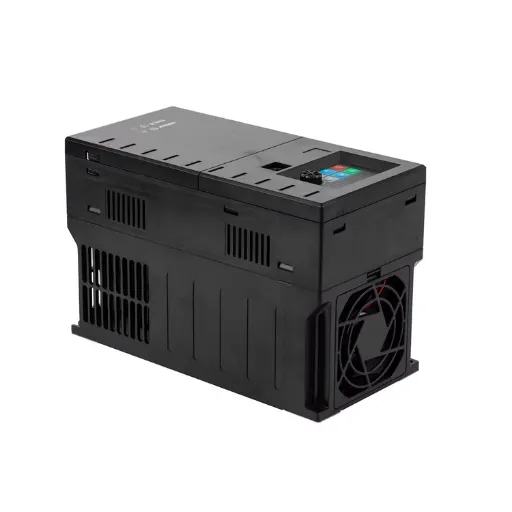
In assessing the financial consequences of VFD adoption, both original capital outlays and ongoing operational liabilities ought to be taken into account. The energy efficiency and overall operational efficiency of VFDs bear the possibility of producing substantial savings, usually in competition with the initial high cost of purchase. This article elaborates on these two critical situations and illustrates general cost consequences–for your business to utilize in its decision-making. With these elements explained one and all, hopefully, you can make a decision yourself as to whether the so-called advantages of VFDs outweigh their cost. Keep reading to discover an insight that might influence the decision on your next investment.
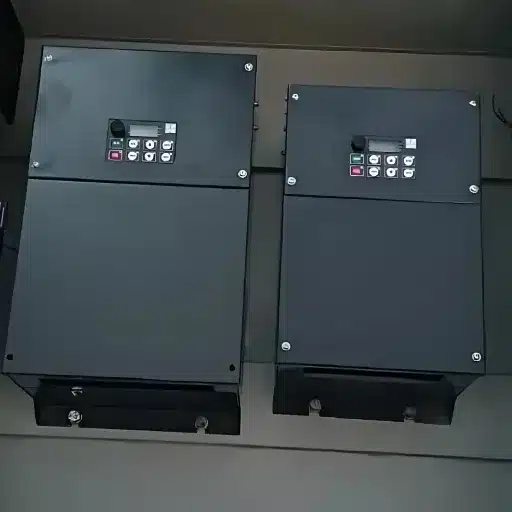
Variable frequency drive (VFD) was launched as an electronic device to manage both the speed and the torque of electrical motors by switching or varying the voltage or frequency of the power that feeds it. VFDs act in various industry applications to optimize the performance of motors, to reduce the consumption of energy, and to limit the mechanical loads essential to particular equipment. By adjusting the speed of the motor through very close to FSM, VFDs allow the operations to go effortlessly while developing minimal power, making it a key ingredient of modern industrial setups.
Key Statistics: It is stated from latest statistics that VFDs decrease energy consumption in motor-driven systems from between 30% and 50% depending on the application. In pump and fan systems, for example, adjusting motor speeds to match load requirements instead of running at full speed all the time saves an enormous amount of energy. With rise in demand of VFDs, the global VFD market is estimated to reach above $25 billion by 2031 with a compound annual growth rate (CAGR) of nearly 5% from 2023 to 2031.
Variable-Frequency Drives (VFDs) are virtually indispensable in nearly every energy management strategy, given their proven capacity in enhancing energy efficiency in various industries. A fundamental justification is that VDFs regulate the speed and torque of the motor in such a manner that their effect on the energy input is directly proportional to the work being done, thus minimizing wastage of energy. Studies suggest that when employed in industrial drives, VFDs could save up to 25-50%, particularly when used in pumps, fans, and compressors.
For example, on a typical centrifugal pump operated without a VFD, the pattern is constant speed, which results in the consumption of extra energy during the time when there is lower demand for a certain process. When connected to a VFD, the motor adjusts itself to the desired level of operation, hence conserving a huge amount of energy. Therefore, based on U. S. Department of Energy data, VFDs are estimated to reduce electricity costs by 60%, making them a cost-effective solution for companies that want their operational costs substantially reduced.
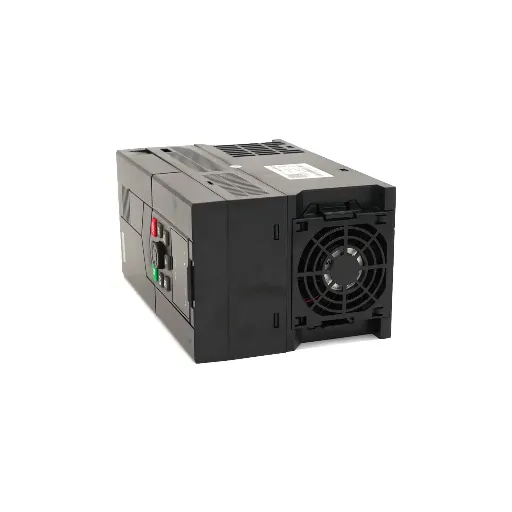
The cost of an household AC Variable Frequency Drive (VFD) is largely dictated by the brand name or manufacturer. Premium VFD brands like Siemens, ABB, and Schneider Electric command relatively higher prices, given their well-established dependability, advanced features, and either local or reseller-based customer support services. These manufacturers splurge on quality R&D, giving them high-performance products and staying abreast with the latest technology, ultimately justifying the high price tags. Conversely, lesser-known or new VFD manufacturers might offer slightly pricier products, pointing towards a cost-effective way for buyers to choose.
On the other hand, less popular or upcoming VFD manufacturers might come up with cheaper alternatives- alluring cost-conscious buyers. Even so, such products might not have the more advanced features, warranties, or world-wide support networks that these top brands offer
Procedure a check for the input voltage of the single phase available and ascertain it is inside the drive’s specifications. For single-phase VFDs, the normal voltages are 120V and 240V supply voltages. An example is an input of 240V that supports an output for most motors up to 230V of three-phase power.
Choose a VFD size model with the power rating approximately 1.5-2 times the full-load amps of the motor rather than that of the phase converter. This overrating is necessary to bear the larger electrical load. For example, for a 3 HP motor, consider a VFD rated for 4.5 HP or higher.
Ascertain that the motor is a three-phase motor and is compatible with the VFD output specifications. The motors to be converted from single to three-phase would usually have a voltage rating of 230V or 460V. Kindly check the nameplate on the motor for exact details.
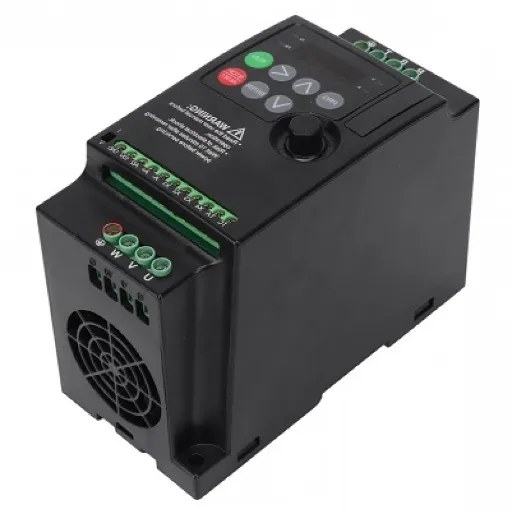
Moreover, whether for a high upfront cost with the offering of long-term return on investment, several strategies are given to assess and compare costs to benefits. On the face of it, it is so specified as initial expenditure to consist of the procurement and the tying and the setup of the variable-speed drives for motors may be anything variable from $500 to up to $5,000 depending upon the motor size, application, and complexity of the system setup, though the focus discolors over the kind of savings available through a sole VFD entity from the improved energy savings factor and reduced wear and deterioration over time.
Energy Savings: Some studies demonstrate that VFDs save around 25-50% of energy consumption if used in applications involving variable loads. For instance, the industrial motor if operated only with partial power could bring savings of almost $5000-$7000 per motor per year depending on energy rates and actual hours of usage.
Maintenance Reduction: In addition, that precise control of VFDs that it offers leads to very little mechanical pressure being exerted upon the motor itself, thereby decreasing associated maintenance costs by around 20% – 30% per year. Often thesesavings compensate the initial cost over a life span of 5-10 years and deliver a very high ROI.
Energy use is certainly one of the sector’s largest operating cost components in both industrial and commercial end-uses. According to the U. S. DOE, electric motor systems consume approximately 50% of all US industrial energy used, and thus, reduce energy savings with efficient motor control solutions like VFD.
Application of VFDs can cut the energy use by 30% to 50% in several businesses, depending on the application and system design. The use of VFDs for the controlled-speed operation in pump and fan systems particularly has been significant as energy and money is wasted by them as they usually operate at less than full load. This should mean fewer dollars are spent on meeting the electric bill and operation costs.
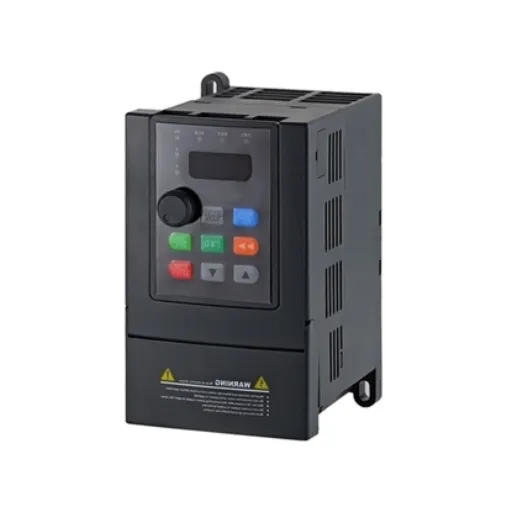
The Variable Frequency Drives (VFD) market has seen a significant surge over the past few years, influenced by the increasing demand for energy efficiency in various industry sectors. Per the industry reviews, the global VFD market size will be estimated to mount up to $33.9 billion by the end of 2028, expanding with a CAGR of 5.7% between 2023 and 2028. The increased awareness of sustainability, energy conservation, and technological advances will also play a part in this.
Variable Frequency Drives (VFDs) price mainly depends on power, application, brand and geographic region. Low power VFDs up to 5 HP can go around US$150-US$1000 for the model for low power (up to 5 HP) VFDs for small-scale applications, making the products affordable for smaller businesses. Mid-range VFDs are for medium-scale applications, generally rated between 5-50 HP and priced around US$140-UA$3001, depending on the technology incorporated in them, such as built-in communication protocols, enhanced safety mechanisms, or flexible interfaces. Heavy-duty, hard-working machines supposedly supporting an induction motor power over 50 HP can cost US$5001-US$15001-or even in excess-which are priced higher-for some unique vertical markets, such as oil and gas drilling.
When talking about whether to opt for a variable frequency drive (VFD) with a single phase or a three-phase VFD, cost comparison is a key aspect that is very significant. Usually, a single-phase type is more budget friendly, with much cheaper up-front costs. Generally, single-phase VFDs start at a cost of $100 and range anywhere from $200 to $300, solely depending on power and brand. Conversely, three-phase VFD prices can start around $200 somewhere and go all the way above $1,000-plus for more hefty industrial application sites.
Probably three-phase VFDs rank higher due to their increased prices, higher specs, and kitchen-sink ruggedness in the face of such power and torque requirements. For example, the single-phase type is designed for those very small applications such as might be used in residential or light commercial systems, whereas the three-phase option proves itself in handling huge motors and highly energy-demanding machines.
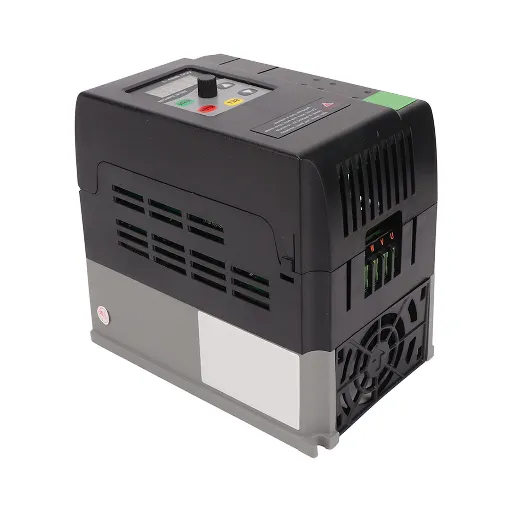
Variable Frequency Drives (VFDs) are an integral component in industrial automation improving the efficiency and saving energy in numerous applications. One major example comes from the manufacturing sector, within which AC VFDs are utilized in the regulation of motor speeds for assembly lines, conveyor belts, and pumps. By matching motor speeds to the requirements of operation, VFDs significantly reduce the consumption of electricity and relieve mechanical stress, thus lowering maintenance expenses.
DOE Study Results: Another important study, which was done by the Department of Energy of the USA, further confirmed the importance of variable frequency drives in the industrial sector as energy savers. The study indicated that a fan system yielded a 35% reduction in cost savings, while for pump systems, the figure soared to a maximum of 45%. To cite an example, a top beverage industry plant installed AC VFDs on the bottling line. It saved 40% energy compared to what it used to consume, enabling it to record an annual saving of $250,000. A payback time of 2 years or even less was achieved.
The deployment of VFDs on the drilling rigs and pipeline operations has thus led to a drastic decrease in production costs and energy utilization. Recent studies have shown that with the implementation of VFDs, companies may save up to 30% and get energy and wear-and-tear-saving effects on mechanical equipment. This minimizes breakdowns and increases equipment life against heavy use, leading to savings for the company in the millions every year.
HVAC-equipped VFDs (variable frequency drives) have shown improved energy usage. The U. S. Department of Energy research indicates that VFDs at commercial buildings are around 40%-50% higher per year in terms of savings in energy costs by modulating motor speeds according to the loads-from environmental emission reductions to sustainability growth.
Because VFDs significantly increase pump and motor efficiency in water treatment and wastewater facilities, they allow operations to be properly modified within different loading conditions. These relatively newer findings demonstrated VFD installations may yield energy saving of between 20-50%. In addition to being commercially viable, more accentuated motor control has indeed pressed forward process rigging for quality water production for mutual utility.
Grand View Research
Markets and Markets
The Brainy Insights
In general, a 2hp vfd costs more than a 1hp vfd because it requires more current in managing heavier ac motor variable speed requirements. The price difference depending on the rating in kw (such that 1hp ≈ 0.75kw, whereas 2hp ≈ 1.5kw), whether the drive offers sensorless vector variable frequency drive performance, and further features like a heavy-duty enclosure, panel I/O, contactor bypasses, or how much warranty and manufacturer assistance. Quantity buying or buying straight from the brand can slash costs.
One can consider the price of a 3 Hp VFD (about 2.2 kW) that is three phase 230 V depending on the professional features that one wants. If he or she must run a 3 phase 230 V motor and if all that is needed is speed control, then a low priced ac VFD-such as has basic control features above open-loop V/Hz-such as full vector control or RS 485 communication or advanced overload protection algorithms. It is necessary to plan for potentially high installation charge if phase converters are used. The price range should take into consideration additional costs like special phasing accommodations or using 220-240 V, potential wiring, and any type of enclosure on HVAC-rated models.
Opting for a drive rated for 480v or 380v has a financial advantage in comparison to the other. The higher-voltage industrial drives, 480v, usually cater to heavier-duty works with far better ability and are costly in comparison to the 230v/240v series because they contain completely different components and differ in testing. VFD prices are determined by the output voltage, whether three-phase is available at these voltages, energy savings features, and conformity with the local standards. Concerning retrofit applications, consider the phase converter or the need for phase input to three-phase converters, with the cost being added to any total.
Basic single phase motor variable speed or control applications that necessitate 220V output need lower power one phase variable frequency drives. Microdrives and low-cost variable frequency drives for AC motors suitable for do-it-yourselfer, HVAC, or light-duty machine applications are commonly designed for single-phase 220V-240V input and 220V output. Before selecting the VFD, make sure that the VFD fits the motor type (single-phase motor speed versus three-phase AC motor). The VFD should match the application for input overloads as well as the necessary housing.