Ready to Get Your VFD Solution?
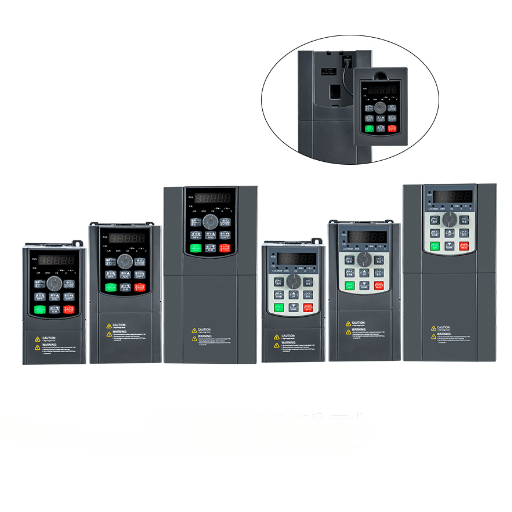
Whether you need a single drive or a complete system, we have the VFD products and engineering support to ensure your project's success.

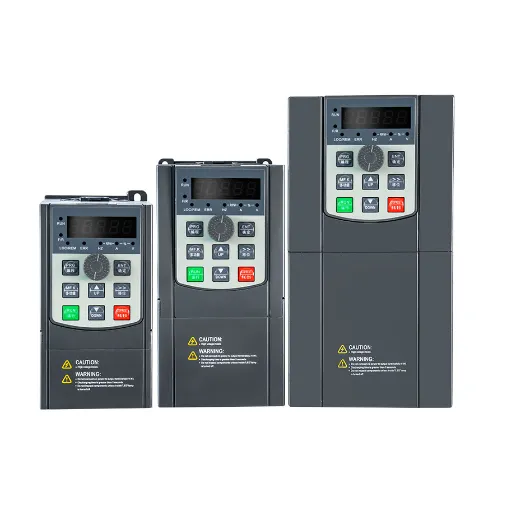
Variable Frequency Drives (VFDs) have changed the operation of fans and provided an excellent method to improve energy efficiency and performance. VFDs not only lower energy use but also reduce operating costs by adjusting a fan’s motor speed in response to real-time demand, thereby extending equipment life. This blog post examines the significance of VFDs in today’s fan control systems, focusing on how they save energy while operating at optimal efficiency. It does not matter if you are a facility manager, an engineer, or someone interested in sustainability; this article will provide helpful information on using VFD technology to achieve more innovative, efficient operations.
The VFDs, or Variable Frequency Drives, are used to control the speed and torque of fan motors by varying the frequency and voltage of the electrical power supplied to the motor. By controlling the motor speed, VFDs ensure the fan operates only at the required speed in response to real-time airflow demands. This practice not only helps save energy but also extends the motor’s lifespan by reducing wear and tear. VFDs find their rightful place in HVAC systems with varying airflow requirements, as they enable smooth, rapid, and precise system adjustments while maintaining performance. Thus, they become a necessity for dual purposes: energy efficiency and system life-extension optimization.
VFDs (Variable Frequency Drives) are devices that control the speed and torque of an electric motor by varying the frequency and voltage delivered to the motor. This is achieved through a step of operations that includes rectification, smoothing of the DC bus, and inverter circuits. At the outset, AC power from the mains is converted to DC power by a rectifier. Later, this DC power is filtered and stored in capacitors to maintain a steady flow. Finally, the inverter is the last component that converts DC to AC at a different frequency and voltage, which sets the motor’s speed. Technological developments in VFDs, together with automated control systems, have enabled real-time parameter adjustment based on load requirements, system feedback, and environmental factors.
Variable Frequency Drives consist of several essential components that work together to adjust motor speed and improve energy efficiency:
Key Insight: The incorporation of Variable Frequency Drives (VFDs) into HVAC and industrial systems has changed the picture of energy efficiency. VFDs can reduce energy consumption by 30-50%, depending on the application and operating conditions, by adjusting motor speed in real time to meet demand. The entire scenario, therefore, aligns with global energy-saving initiatives and simultaneously results in significant reductions in operational costs.
VFDs or Variable Speed Drives are undoubtedly the most essential devices for achieving excellent process control in industry and commerce. By providing precise adjustments to motor speed and torque, VFDs enable systems to respond quickly to varying operational needs. The control power at this level not only provides stability in the process but also in the product, and, along with that, it minimizes waste.
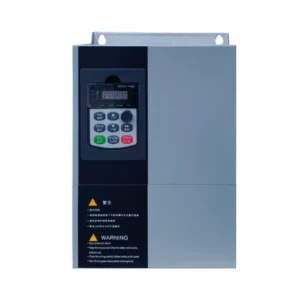
Getting the right Variable Frequency Drive (VFD) for your application requires accurate sizing to ensure optimal performance and efficiency. The procedure includes looking at the motor’s current rating, power rating, and application characteristics. Start by getting the motor’s voltage and current specifications, and the connected equipment’s operational requirements, such as load torque, speed range, and duty cycle. Also, consider environmental factors such as temperature, humidity, and potential contamination, as these may determine the VFD’s enclosure type and protection rating.
💡 Pro Tip: Leveraging sophisticated tools, such as online configurators or manufacturer-provided sizing software, will simplify and speed up the selection process. These tools help you find the most suitable VFD for your system by checking key parameters, thereby reducing the risk of undersizing or oversizing. Proper sizing not only ensures optimal energy efficiency but also reduces maintenance costs and downtime, providing a reliable, cost-effective solution for your operational needs.
Proper monitoring and maintenance of VFD systems are crucial to keeping them in good working order and extending their lifespan. Regular inspection of key components, such as cooling fans, power connections, and capacitors, will help detect failures promptly. Condition monitoring systems can be implemented to provide real-time data on VFD operations, including temperature, vibration, and current flow, enabling proactive maintenance. Predictive analyses can help uncover patterns in the data that foreshadow wear or performance decline, enabling timely interventions.
Maintenance Schedule: A question that is often asked is, “What is the recommended VFD service interval?” Based on industry standards and expert recommendations, a complete inspection should take place every 12 to 18 months. However, high-demand environments might necessitate more frequent checks. Moreover, cleaning cooling fans, checking for dust accumulation, inspecting cables, and replacing worn parts should all be included in routine servicing. The use of up-to-date data and monitoring tools guarantees that VFD systems are not only energy-efficient but also free from unplanned downtime, thereby ensuring productivity is not hindered.
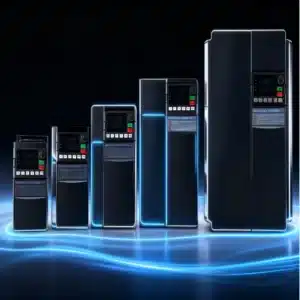
Variable Frequency Drives (VFDs) have been a game changer in fan control management, offering a wide range of benefits, including, but not limited to, energy savings, operational control, and, not to mention, precision. Nonetheless, hurdles remain to be tackled. One primary problem is the hefty initial setup cost, as VFD networks require a significant cash outlay for both devices and their implementation. Plus, the motors will need a VFD-friendly alternation for the VFD. This implies that the existing equipment has to be thoroughly assessed before its actual use.
The risk of distortion is also a significant issue that needs consideration, among other things, as it cannot be avoided that this distortion may cause difficulties across different electrical systems and even lead to inefficiency if not addressed. Proper filtering and grounding are critical for addressing the problem. Moreover, VFD systems maintenance may require a specialized technician; thus, it will not be easy. Regular checks, firmware updates, and round-the-clock system monitoring are indispensable for reliability and longevity.
Relying on the latest technology and innovations, such as artificial intelligence-enabled analytics and automated diagnostics, ensures not only the elimination of these problems but also better results. These technologies pave the way for predictive maintenance and, at the same time, standardize VFD performance for fan control, leading to direct savings and reduced downtime. Understanding these differences and leveraging the latest technology, companies can gain the maximum advantage from VFD systems while dealing with their complex nature.
The initial costs of a Variable Frequency Drive (VFD) system will vary depending on factors such as its size, type, and specific features. Typically, the first investment comprises the VFD itself, installation costs, and, in some cases, upgrading the existing infrastructure.
💰 ROI Consideration: Though the initial expense may appear considerable, especially for large-scale projects, it is worth considering the system’s long-term financial benefits. Research and industry data indicate that the time to recoup the investment in a VFD system ranges from a few months to 2 years, depending on the application. Furthermore, advanced analytics facilitate decision-making by predicting energy savings and performance improvements, making the upfront investment a wise choice for many companies.
Harmonic distortion-induced motor overheating is usually the main compatibility issue in VFD integration with electric motors. VFDs change the motor’s power supply, which can cause excessive heating and eventually burn out the insulation if the motor is not designed for use with VFDs. Also, older motors that are sometimes neither provided with sufficient insulation nor rated for inverter use are often subject to premature wear. Besides, there are voltage drops, which decrease efficiency and cause some loads to get less or no torque. The industry best practices, supported by current search trends, include selecting motors rated for VFD operation (inverter-duty motors) and applying proper grounding and shielding to eliminate the issues effectively. It is necessary to address compatibility issues to achieve optimal system performance, durability, and return on investment.
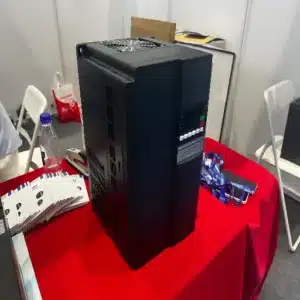
The future of Variable Frequency Drive (VFD) technology is turning towards energy efficiency, advanced automation, and improved communication as significant attributes. One trend that stands out is the integration of VFDs with intelligent systems and IoT, enabling real-time monitoring, predictive maintenance, and improved diagnostics. Further, new developments in semiconductor materials, such as silicon carbide (SiC), are expected to lead to more compact, power-efficient VFDs. Moreover, manufacturers are still ahead of the game when it comes to eco-friendly solutions, with new designs featuring lower harmonic distortion and better power factor. These developments will be the primary drivers of innovation and the broadening of VFD applications across different industries.
The coupling of Variable Frequency Drives (VFDs) with IoT and Artificial Intelligence (AI) technologies is changing the landscape of industrial processes by enabling more intelligent, efficient systems. With VFDs linked to IoT networks, real-time information can be gathered, analyzed, and used to enhance productivity and reduce power consumption. Advanced diagnostics using AI algorithms can predict equipment failure, enabling predictive maintenance and, consequently, a significant reduction in downtime. Besides, AI-powered insights can modulate motor performance in line with varying operational needs, thereby maintaining the highest efficiency while reducing costs. These innovations demonstrate that IoT- and AI-powered VFDs are at the forefront of the automation and industrial optimization future, and they align with the global trend toward innovative, green technologies.
The rise of motor technologies, together with Variable Frequency Drives (VFDs), is going to be a game-changer in modern industries. Over the last few years, one of the major trends has been the inclusion of highly efficient motors, such as Permanent Magnet Synchronous Motors (PMSMs) and Brushless DC (BLDC) motors, in VFD applications. These types of motors offer higher energy efficiency, reduced power waste, and better performance precision, which are significant advantages. Moreover, the growing trend of IoT connectivity in motor systems enables real-time monitoring and control, ensuring not only efficiency but also intelligence.
Here are five professional and authoritative reference sources that you can use to verify the correctness of your article on “VFD for Fan Control.” These sources are from academic and research-focused platforms:
Source: ScienceDirect
This paper introduces analytical models of VFD-motor-fan operation, including motor and VFD efficiency degradation at partial speeds.
Source: ScienceDirect
This study evaluates the performance of fans controlled by VFD systems, focusing on energy savings and improvements in the microclimate.
Source: ScienceDirect
This research proposes a temperature-zone method to optimize fan control in cooling towers, thereby enhancing energy conservation.
Source: ScienceDirect
This paper examines the energy performance and accuracy of VFD systems in motor-belt-fan setups.
Source: IEEE Xplore
This article discusses the application of VFDs on process fans, analyzing fan laws and their impact on efficiency and performance.
A Variable Frequency Drive (VFD) for fan control is an electronic device that controls the speed of an electric motor by varying the frequency and voltage of the power supplied to it. This enables precise fan speed control, improving energy efficiency and performance across various applications, including ventilation and HVAC systems.
Using a VFD to control the fan speed involves adjusting the power supply frequencies delivered to the motor. By changing the frequency, the VFD can increase or decrease the motor speed, enabling optimal performance tailored to the specific requirements of the system, such as temperature control or indoor air quality improvement.
VFD-controlled fans offer several benefits, including significant energy savings, reduced motor wear and tear, and improved operational efficiency. By modulating fan speed in response to real-time requirements, VFDs can reduce energy use, lowering operational costs and improving performance in multi-fan ventilation systems.
Yes, VFDs can be retrofitted to older fans to improve their performance. However, it is essential to consult the motor manufacturer to ensure compatibility and to understand any service-factor limitations that may affect the motor’s operation and longevity when used with a VFD.
When using a VFD for exhaust fans, consider factors such as power supply frequencies, the ventilation system’s specific requirements, and the need for any additional motor controllers. Proper installation and configuration are crucial to ensure efficient operation and prevent issues such as mechanical resonance or significant vibrations that could lead to fan failure.
VFDs help reduce energy costs by enabling precise speed control, allowing fans to operate at lower speeds when full speed is not necessary. This significantly reduces energy consumption, especially in systems with variable load conditions, such as industrial fans or building management systems.
Not using a VFD for fan control can lead to several risks, including inefficient operation, increased energy consumption, and higher maintenance costs. Fixed-speed fans may run at full speed unnecessarily, causing excessive motor wear and potentially damaging sensitive electrical equipment. Additionally, it may lead to poor indoor air quality due to inadequate ventilation controls.
VFDs can extend motor lifespan by reducing mechanical stress associated with constant-speed operation. They provide smoother acceleration and deceleration, which minimizes the risk of damage from sudden starts or stops. Moreover, using a VFD ensures the fan speed is optimized to the operational requirements, thereby extending the overall service life of the motor.
Yes, VFDs are compatible with brushless AC motors. They can effectively control the speed and torque of brushless motors, enabling precise modulation tailored to operational needs. This compatibility makes VFDs a versatile choice for a wide range of applications, including marine and advanced industrial systems.