Ready to Get Your VFD Solution?
Whether you need a single drive or a complete system, we have the VFD products and engineering support to ensure your project's success.


The VFDs have become one of the crucial figures of the current industrial age as they have been providing distinctively high-efficiency and control for a wide range of operations. The impact these drives have on the betterment of production and equipment supply, such as by changing the speeds and energy use of motors, cannot be denied. Furthermore, they also work as the main element for companies that are trying to move forward with sustainability issues. However, to what extent are these benefits reflected in a company’s financial situation most of all and how does it happen? The present article gives a look into financial turning points via huge industrial VFDs driven by impeccable case studies. Not only savings in energy but also productivity and other metrics are factors that are evident in the examples, which can be lessons for managers, advisors, and people who are making the technological shift towards VFD for the sake of their business.

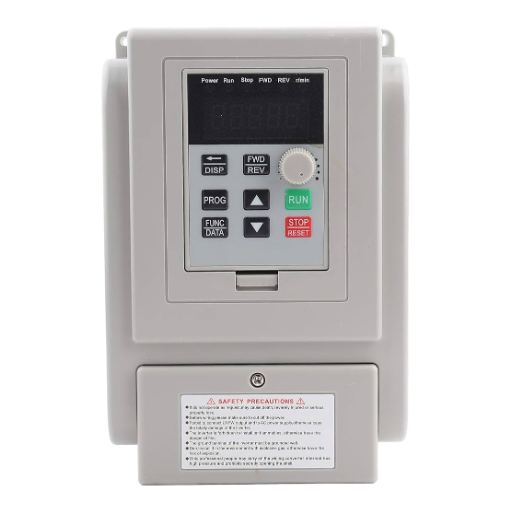
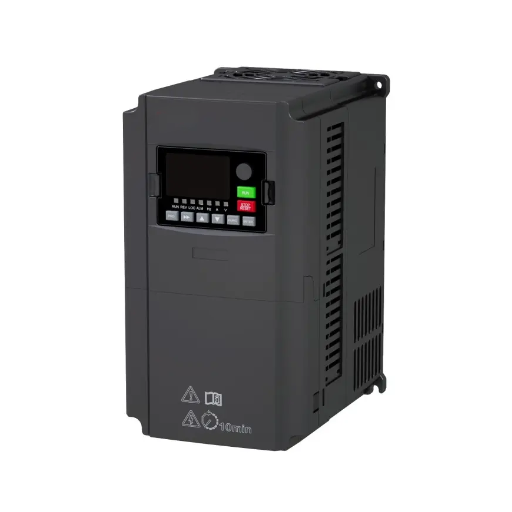
Variable Speed Drive (VSD) information can be very complex in all terms. Variable Frequency Drives (VFDs) are strong and rugged electronic devices. Their purpose is to control the speed and torque of electric motors, by means of controlling the frequency and voltage of the power supplied. They provide an ample number of advantages such as precision in motor control, increase in operational efficiency, and a great reduction in energy consumption. VFDs are mainly seen in industrial applications like pumps, fans, and conveyors, where the motor’s performance is the supreme point. VFD use is spread, the main reason is that the wearer gets to choose the speed the process is executing at bringing in effects like less maintenance, process reliability increase and at the same time the operating costs lowering and this tool is indispensable in the modern industrial environment.
A Variable Frequency Drive (VFD), is a crucial mechanism that controls the electric motors’ speed and torque by altering the frequency and voltage of the power supplied to the motors. It embodies the state-of-the-art semiconductor technology and pulse width modulation (PWM) in providing the speed of the motor with a high level of precision. Thus, VFDs are an excellent energy efficient and versatile solution for industrial applications since they allow motors to run at the exact speed needed by the load situation.
Modern VFDs come with features that are the need of the hour. They have integrated safety functions, real-time diagnostics, and communication capabilities that support Industry 4.0 protocols. These drives make the use of energy to a significant extent, especially for applications like HVAC systems where there are varying load demands, because the motors do not need to be run at full capacity all the time. There is also a positive case for the application of VFDs in the sense that motors, which are now capable of being used to the maximum, are under less stress in their daily operations because the motors are now much less subject to these stresses. Such stresses come from the process of the controlled acceleration and deceleration cycles the drives initiate. VFDs are being used in almost all industries, and thereby, they have become one of the main technologies for the optimization of electrical motor performance.
Gone are the days when Variable Frequency Drives (VFDs) were just an efficient way to control motor speed, now they are reliable power inverters that drive the motor by converting fixed frequency and voltage into adjustable ones. Such devices are equipped with the most precise and reliable control mechanisms that could give rise to savings of up to half of the original energy consumption every time their speed is reduced by 20%. For the HVAC systems, pumps, and fans, in the cases where the motors have to run at partial loads, which consume more energy relatively than on full loads, the control of speed by Variable Frequency Drives becomes more effective.
Dynamically, VFDs exert less impact on the mechanical side of the system during startups, and, through the same token, the damper and the blade are the areas that usually undergo less stress and wear. This, in turn, increases the life of the system. The use of specific algorithms and proper monitoring of the load in real-time are other factors that help VFDs to act as a tool for energy optimization and thus make them go hand in hand with the principles of predictive maintenance and the business of service excellence.
From an industrial viewpoint, VFD deployment doesn’t just adhere to energy regulations but also cuts down on the operating expenses, hence making it a must-have in this day and age of highly productive and cost-efficient establishments. It’s the mentioned features that show the crucial role played by VFD technology in energy-hungry industries to reach the sustainability as well as the economic goals.
A commercial office building’s HVAC systems were equipped with Variable Frequency Drives (VFDs) so that the motor speed was regulated by the actual demand in real time. The uptake of this technology brought energy use down by 30%, and consequently, the building annually saved about $50,000. Another positive effect due to VFDs was the fact that following the energy control criteria made it easier to ensure the temperature for the tenants and also to still keep up with the energy-saving regulation.
A manufacturing facility has implemented conveyor systems with VFDs integrated into them, thus enabling the speed in either direction of production to be controlled very precisely. This labor-saving process led to the facility becoming more profitable by 20% mainly through cost reduction as well as reduction of downtime and very easy transitions between processes. The use of VFDs has also been point-linked to a large reduction in the wear of motors and maintenance costs and increased plant reliability, the sources of the poor manufacturing performance/administration side.
The water treatment facility of the municipality changed to VFDs for the pumping systems that adjust flow rates according to water demand. The effect was a 25% reduction in energy consumption and a longer life for the equipment, since it underwent less mechanical stress. This activity had multiple advantages in the form of cost saving through reduced operations as well as in the form of reduced environmental impact which fitted the sustainability goals of the company.
The HVAC system of a major office building that is located at the forefront of commercial business benefited from the installation of Variable Frequency Drives (VFDs) that increased the system’s energy efficiency and operational efficiency significantly. The system could now adjust the motor speed dynamically for heating, ventilation, and air conditioning equipment based on the real-time demand, instead of operating at full capacity all the time. The optimization resulted in a well-documented 30% reduction in energy consumption, and the utility costs were therefore decreased quite significantly. Furthermore, the decrease in mechanical wear meant fewer maintenance activities and longer lifetimes of the equipment. Moreover, the system had a hand in keeping the temperature and indoor air quality controls in place—one of those things that please tenants, yet meets the strictest energy code requirements and takes a sustainable route for commercial facilities.
The water treatment plant went for a sophisticated filtration system that utilized multi-step reverse osmosis (RO) and ultraviolet (UV) sterilization technology. The accomplishment was the elimination of contaminants at a rate above 99.5% percent. The facility was energy-saving as well by integrating VFD-equipped high-efficiency pumps which resulted in 25% less energy compared with traditional systems.
Moreover, according to new information, automatic monitoring tools made it possible to get real-time control over the water flow and chemical dosing, which in turn resulted in a substantial lowering of the water usage and improved the operational accuracy. Fulfillment of the Environmental Protection Agency’s (EPA) very strict water quality standards shot up almost immediately after those earlier-mentioned changes were introduced. In fact, there was a significant positive change in water quality and often repeated independent tests have shown that the water was drinkable, which also means that there was a dramatic improvement in the water taste. Had it not been for the adoption of those automated systems, the quality of water monitored would have probably remained quite poor.

A major automobile parts maker launched a predictive maintenance plan to get the most out of their equipment. They began the process by installing IoT sensors on the most important machines so that the whole plant could follow the vibration, temperature, and energy consumption patterns in real time. The predictions made by analytical models proved to be very efficient since they made it possible to fix the equipment on time and thus avoid any production stoppages. So, it was an approach that had all kinds of benefits – less downtime, faster workers and a longer life for the expensive equipment. In addition to these, the amount of energy used was cut by 15% which meant continuous long-term savings and a move towards a more sustainable operation.
A company that produces electronic devices adopted the lean manufacturing philosophy as its main strategy to rid the production process of those things that make it not very effective. One of the biggest improvements was decreasing the time of transporting materials, as well as the level of stored goods, and putting quality inspection stations along the way. The final result was a 30% faster production time and much better product quality. Moreover, fewer of their products had defects. All of these things went in the direction of better product quality by receiving not only the company’s but also the customer’s marketability and market acceptance.
Variable Frequency Drives (VFDs) are devices that help in optimizing motor control by providing control over motor speed and torque with high precision. The technique used is simple, just alter the frequency and voltage supplied to electric motors and you will have the same effect, however, VFDs help in reducing the energy consumed. Moreover, you will get less-worn-out parts after much more time. The final step is to extend the lifespan of the products. These days, VFDs come with many cool features like Programmable logic controllers (PLCs), real-time monitoring, and predictive maintenance, which give the added benefits of operational control and fault diagnostics to the operator.
Industrial applications ranging from conveyor systems and HVAC systems to process control are found to benefit from the use of VFDs. An interesting example is HVAC systems, where VFDs can automatically adjust fan and pump speeds to the required level of cooling, which in turn saves a lot of energy. Also, the presence of VFDs in the facility guarantees the gentle starting and stopping of motors, hence avoiding the large momentary current flow and the inherent possible damage to electrical installations. A sophisticated way of putting it is that when VFDs are installed, the energy efficiency of the application itself can easily be increased up to 50% but with a large investment return and a small environmental load thus making it very effective in terms of cost and sustainability.
The advent of Variable Frequency Drives (VFDs) into metalworking and materials handling industries has changed the utility of the process. A metal manufacturing giant installed VFDs over the conveyor systems and motor-driven production machinery, which resulted in a major cost saving in both power and operation. The VFDs not only conserved the power but also, by controlling the speed, they enhanced the efficiency in moving materials, thereby reducing the mechanical load on the machines and extending the life of the machinery, which is crucial for the plant operation.
Moreover, the ability to match motor speeds with the exact process needs has been shown to result in higher production accuracy, decreased downtime, and reduced waste. Industrial case study data reveal that energy consumption on material handling tasks using VFDs is up to 40% lower compared to the old fixed-speed alternatives. Additionally, the presented increment in process control is a further route to the source of the product quality problem, with the development in control machinery being a first approximation to the source of the problem. It is no surprise that control of the material is the answer to the ever-recurring demand for a more perfect material.
This makes VFDs a more important component of industrial systems, not just from the point of view of energy-saving. They also help in enhancing the reliability and throughput of the operation in the industry where the efficiency and the life of the machinery are the most crucial factors to contend with. Further, the general quality of VFD technology being the same as that of the leading industrial systems, it is indeed through such embracing of VFDs that one is able to fully exploit the benefits of the industrial dynamics that is being changed due to the energy-saving feature of VFD controllers.
In modernizing the existing industrial systems, retrofit solutions are inevitable, as they can improve the operation significantly without demanding the replacement of large infrastructures. One of the most significant benefits of retrofitting old systems with variable frequency drives (VFDs) is the ability to save a lot of energy. Research shows that Motors equipped with VFDs in the above domains can result in a reduction of energy consumption by as much as 50%. Further, upgrading can prolong the service life of existing machinery, help to stay technologically updated, and reduce the cost of full system replacements in terms of capital expenditure.
One of the marginal benefits also comes from the increased control and reliability of the system. Generally, the retrofitting installation involves the use of very high technological diagnostic systems and enables real-time monitoring and predictive maintenance features. In this way, there is no need to stop the operation, and sometimes one can identify a problem in time to fix the machine even before the failure. Moreover, changing the factory environment to comply with the ongoing energy standards and regulations is rather tough but retrofitting helps a lot in that matter. It means that the industries both decrease, as well as emit less carbon dioxide, and at the same time, maintain high production efficiency levels.
The very concept of retrofit solutions is disruptive, but nevertheless, it reduces the time to implement the changeover, and this provides ample time for the customers to push charges to the end-users and hence becomes not only economically but also operationally feasible choice in the industry that seeks to be at par with the modern metallurgical standards. Instead of being stable and yet increasing the use of certain utilities, the modifications also have the double effect of helping the company or business organization to gain a competitive advantage through the lower costs, better quality, and not being liable to troublesome breakdowns.

Variable Frequency Drives (VFDs) make a very significant contribution to energy efficiency by adjusting motor speed according to the actual load. In contrast to conventional motor systems that run at full speed regardless of the need, VFDs manage the power supply and thereby decrease the wastage of energy that is not used immediately. Researchers’ findings points out that 50% energy consumption can be cut down in HVAC systems, pumps and fans supplied with VFDs and where the loads are less than or equal to 100%. In the face of such applications, system efficiency grows cubically with the variator speed lowering; hence, even the slightest speed variations will bring about substantial energy consumption decreases. In addition, the control of motor performance as per the best possible condition prevents overheating and results in lower wearing out of the equipment, to the advantage of wider applications, less maintenance, and less power consumption. Thus, the new developments make VFDs a critical part of the eco-friendly energy consumption in industry and commerce alike.
Variable Frequency Drives (VFDs) are seen as playing a very important role in the optimization of process control by means of allowing the motor speed and torque to receive very exact adjustments. This high level of exactness ensures that the different operational requirements are always met by the system at the right time, thus, making performance and product quality continuous. Therefore, one can very often find in modern VFDs very complicated algorithms as well as real-time monitoring that people facilitate synchronization in a very superior way in comparison to the complex systems that involve them. In the energy consumption optimization of the fluid management systems, VFDs are continuously adjusting the pump speeds so that the same flow rates and hence pressure are held, which would result in energy loss due to inefficient operation and also in the wear of the system. It is remarkable that the data obtained from the latest industry application shows that the implementation of VFDs saves up to 20% of the energy costs and improves the whole system efficiency by 15% in different sectors. This is a very strong graph of how they are not only important in the efficiency factor but also key in the alignment of operations with the lately very popular sustainability goals.
The merging of VFDs (Variable Frequency Drives) in business and industrial set-ups is a direct fit with Global recognized sustainability roadmaps and energy efficiency standards in the majority of developed and developing countries in the current era. This has been supported by companies that have embraced the International Energy Agency (IEA) and ISO 50001 energy management system. These companies have also been able to reduce their carbon footprint by the use of motor drives as the dynamic control of the motor performance greatly reduces the power consumption and hence the generation of greenhouse gases, hence the compliance with the economies’ strict environmental regulations like the EU’s Ecodesign Directive and the U. S. Department of Energy standards and many others.
Moreover, by utilizing VFDs, businesses make themselves not only more efficient but also a responsible entity for the environment by cutting their greenhouse gas emissions, which is a key factor in achieving sustainable goals. In new studies related to energy-intensive sectors such as the chemical industry, the contribution of VFDs for the reduction of emissions was quite substantial throughout their process, thus making the said equipment an important part of the future. With rising obligations for the sector stemming from stricter environmental legislation and consumer preference for greener products, VOC-hazardous-chemicals-free production using VFDs will become more common, and its use in the vigilant sector will increase as the technique is adopted in other applications.

The research results underscore the essential part of Variable Frequency Drives (VFDs) in driving sustainability initiatives throughout various sectors. Through the improved use of energy and the drastic cut of emissions, VFDs are a strategic means for companies aiming to conform to strict environmental regulations. VFDs have more than one way to prove their advantages in turning working efficiency toward sustainability, which makes their connection to modern systems indispensable. This clear proof further aids the argument that the choice of VFDs is not just a requirement for environmental reasons but also a move in the right direction, to meet long-term operational resilience.
The utilization of Variable Frequency Drives (VFDs) in different business sectors has resulted in significant progress towards energy saving and operational efficiency. This can be exemplified by the fact that in the manufacturing sector, VFDs have helped companies save up to 40% of the energy by regulating the motor speeds accurately according to the fluctuating production workload. In the water and wastewater treatment industry, the implementation of VFDs shows a reduction in electric consumption by the range of 25-30% and a better process control for both pumps and blowers with reduced wear and maintenance costs. Moreover, in the case of HVAC systems in large commercial buildings, VFDs have strongly contributed to energy performance improvement, and thus indirectly, to the reduction of greenhouse gas emissions and long-term utility cost savings. It is clear that VFDs prove to be one of the key components in the energy management for achieving the desired results and meeting the regulatory requirements.
The future development of VFDs will largely depend on smarter technologies, the use of renewable energy and the automation of factories. The addition of IoT (Internet of Things) features that will be useful in the monitoring of VFDs is a very good trend. These features lead to a decrease in downtime in industries and, at the same time, enhance the quality of maintenance through real-time monitoring and data analytics. Besides, the joint use of AI is anticipated to pave the way for VFD systems that optimize themselves, react to load changes, and even control themselves constantly while increasing efficiency in operations.
VFDs have become more and more popular in renewable energy systems and in applications of wind and solar power generation. It is a fact that these drives are the most important asset when it comes to fine-tuning the energy storage systems’ performances and, at the same time, ensuring that the turbines and inverters are always in the optimal mode under the varying wind and grid conditions. With regard to the fact that industries are working toward sustainability, VFDs will be responsible for this when it comes to reducing energy waste and also utilizing resources to their maximum potential.
The grown materials and semiconductor technologies are changing, and SiC (Silicon Carbide) and GaN (Gallium Nitride) are the main drivers. In terms of power densities, efficiency, and thermal performance, these two technologies are going to be the ultimate solution for the VFDs. Industry after industry would benefit from the revolution as VFDs would draw closer to better than ever reliability and still be just as good or better a choice for all three categories of manufacturing, transportation, and mining applications.
The installation of Variable Frequency Drives (VFDs) has been cited as a key maneuver in the quest for business excellence, particularly in heavy power-consuming areas. The figures even indicate that VFD application may be the cause of energy consumption down to fifty percent for the motor-operated system concerned, depending on the task at hand, resulting directly in cost savings and a smaller carbon footprint. The contrast to this good news is that, while technology is moving fast and maintenance is becoming a lot easier and cheaper, the cause of VFDs’ outage of power to the systems is practically unknown. A similar level of technology in isolation of the power semiconductor market, such as Silicon Carbide (SiC) and Gallium Nitride (GaN), will also be the probable means of obtaining these electric and thermal properties from the systems without necessarily compromising their mechanical strength.
Considering the return on investment (ROI), the payback period for VFD systems is usually found to be between two and three years, given the conditions of energy prices, system capacity, and load shapes. Also, governmental support and energy efficiency schemes in different areas make the economic feasibility of such systems even stronger. By and large, adapting VFD technology means a win-win situation in terms of money and the environment, thus a very smart move for the industries to make for their future readiness.
Numerous studies on VFDs prove the fact that if a variable frequency drive is installed, energy savings up to significant levels can be accomplished by aligning motor speed with process demand and thus, lowering power wastage. Up to the present time, it has been difficult to estimate the energy efficiency gains; the corresponding figures are 10% to 50% and they very much depend on the application, and especially on the pump control and fan systems that fluctuate in their load. The covered studies also make mention of the fact that it is crucial to have a proper installation and setting to see the savings and at the same time to avoid problems like uncontrolled harmonics.
The case studies of VFD applications for pump control almost always indicate that the introduction of VFD soft starts and the variable-speed operations help to achieve improvements in the process’s stability and to reduce mechanical stress as well as energy consumption. The content of many reports is of the before-and-after flow and pressure data concerning the smoother control and reduced cavitation or surge events. Case studies often draw attention to the fact that proper pump system design, good installation, and VFD rating selection are critical to take care of premature wear and protect the motor. Additional components, such as filters or harmonic mitigators, are often included in retrofit projects to tackle power quality issues.
Indeed, a lot of VFD case studies are demonstrating a positive outlook concerning ROI when refurbishing existing motor-driven systems and taking into consideration energy savings and reduced maintenance costs. Often, the payback periods have a large range, but still are up to 1-3 years only for severe duty cases like HVAC, pumps, and compressors, particularly the cases of substantial energy efficiency gains. The studies are also showing that motor protection and correct installation can decrease the number of standstills and increase the longevity of the equipment even more, leading to a greater ROI as well. Still, greater attention shall be given to topics like harmonics and proper grounding so as to forestall unseen costs.
Harmonic case studies commonly provide evidence to indicate that total harmonic distortion at the point of common coupling will be increased by adding VFDs without any form of mitigation. These case studies normally recommend a number of ways to deal with the situation, such as using line reactors, passive or active filters, and multi-level VFD topologies that minimize harmonics and improve the power factor. The use of effective mitigation strategies proves to be beneficial for the proper functionality of other equipment (devices), for the elimination of tripping events (occurrences), and for the fulfillment of utility interconnection requirements.