Ready to Get Your VFD Solution?
Whether you need a single drive or a complete system, we have the VFD products and engineering support to ensure your project's success.

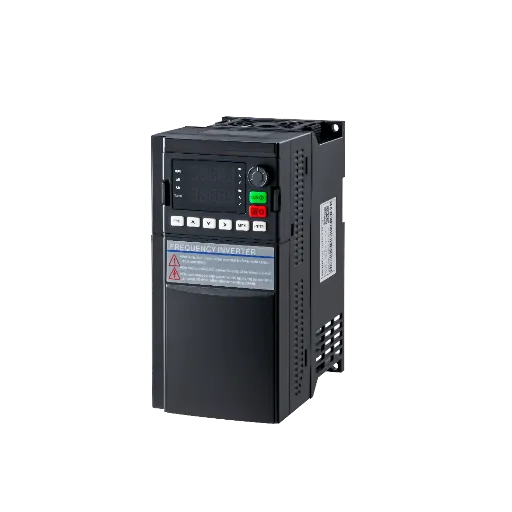
Selecting the right Variable Frequency Drive (VFD) is crucial for ensuring optimal equipment performance, energy efficiency, and long-term durability. With numerous options available, this comprehensive guide will help you identify the essential questions to ask potential suppliers before making your purchasing decision. By understanding key factors and aligning supplier capabilities with your requirements, you’ll be able to select a VFD that is technically compatible and within your budget.
VFDs are electronic devices that control the speed and torque of electric motors by varying the frequency and voltage of the power delivered. This enables precise motor operation across various applications, including HVAC systems, industrial machinery, and pumps, where variable motor speed is essential. Regulating motor operation with VFDs significantly reduces energy consumption, extends equipment lifespan, and improves overall process control.
Variable Frequency Drives are positioned as critical tools in addressing global energy challenges. Technological advancements combining AI controls and IoT connectivity enable remote system access and performance optimization. With stricter energy regulations being imposed worldwide, VFDs’ ability to reduce energy waste by adjusting motor speeds to match instantaneous demand makes them indispensable in manufacturing, HVAC, and water purification sectors. This flexibility supports both environmental goals and operational cost reduction.
The global VFD market is experiencing steady growth, projected to reach approximately $25 billion by 2030, reflecting a CAGR of more than 5% from 2023. Major factors driving this expansion include the rise of green technologies, governmental energy consumption restrictions, and technological development incorporating IoT and AI. North America, Europe, and the Asia-Pacific lead market growth, with Asia-Pacific experiencing rapid industrialization and infrastructure development. This dynamic market presents diverse solutions across multiple sectors.
| Feature | Description |
|---|---|
| Motor & Voltage Compatibility | Ensure VFD matches motor power ratings, including voltage, horsepower, and current capacity, for optimal performance. |
| Control Functions | Variable-speed control, torque control, and programmable settings for greater application flexibility |
| Energy Efficiency | VFD is designed to optimize energy use, resulting in significant long-term cost savings |
| Built-in Protection | Overload protection, short-circuit protection, and thermal management safeguard both motor and drive. |
| User-Friendly Interface | Intuitive interface with transparent displays and straightforward controls for easy programming and monitoring |
| Environmental Durability | Built to withstand dust, moisture, and extreme temperatures as indicated by IP rating |
| Harmonic Mitigation | Harmonic-reduction features improve power quality and minimize electrical system disruptions. |
When evaluating VFD technical specifications, verify these essential parameters:
Today’s VFDs incorporate cutting-edge energy-saving features, including dynamic motor control that adjusts power consumption to match load requirements. These efficiency improvements not only help achieve sustainability objectives but also considerably lower electricity costs throughout the equipment’s lifespan. Modern VFDs employ robust materials and high-tech components that withstand extreme heat and cold, dust, and moisture. Their durability ensures reliable operations while reducing maintenance and unplanned downtime, helping companies comply with environmental regulations while reducing energy waste and emissions.

VFDs allow motors to operate at the required speeds, significantly reducing energy consumption compared to fixed-speed systems. Studies show that specific applications can reduce electrical energy consumption to as low as 50%, particularly in pumps, fans, and compressors.
Smooth starts and stops reduce mechanical stress on equipment, leading to less wear and longer operational life. Combined with proper maintenance schedules and real-time monitoring, this extends equipment longevity and optimizes investments.
Precise motor speed and torque control enhance efficiency and accuracy across various applications, enabling better system performance and productivity.
Smoother motor operation reduces breakdowns and maintenance requirements, significantly lowering associated costs and system downtime.
Optimized energy use lowers carbon emissions, supporting sustainability goals and helping businesses meet regulatory compliance requirements.
| Industry | Application |
|---|---|
| Manufacturing | Energy-efficient control of production lines, machinery optimization, and reduced operational costs while maintaining high output levels |
| HVAC Systems | Variable-frequency drives with real-time monitoring enhance energy efficiency and maintain consistent indoor climates |
| Water & Wastewater | Pumping systems equipped with VFDs improve efficiency in water distribution and wastewater treatment, conserving energy and reducing expenses. |
| Oil and Gas | Advanced monitoring and control systems manage energy-intensive drilling and refining processes while reducing emissions. |
| Renewable Energy | Real-time monitoring supports solar and wind energy systems, ensuring optimal power generation and storage capabilities. |
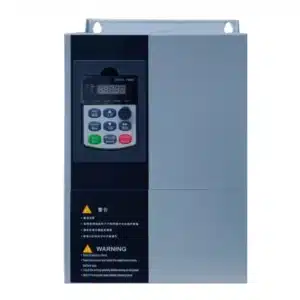
Merging cutting-edge monitoring technologies with real-time data from the sources search engine enables sectors to not only optimize their production but also make better-informed decisions. The collation and processing of search trend data help companies anticipate equipment needs, spot emerging market demands, and even improve their supply chain management. For instance, in production, the combination of real-time analytics and search engine insights helps efficiently manage production schedules by predicting consumer behavior and preferences. This interplay between the industrial sector and data insights drives the adoption of more efficient, adaptable, and eco-friendly practices across diverse industries.
The efficiency and responsiveness of HVAC and building management systems can be unparalleled when combined with the latest data from a search engine. By analyzing search trends related to weather, energy-saving tips, and local temperature patterns, the systems can proactively adjust heating, ventilation, and cooling settings to optimize energy use. For instance, if the search data indicates growing interest in air purifiers during allergy season, the facilities can adjust filtration settings or offer solutions to improve air quality. This integration of real-time data enables building managers to effectively meet occupants’ needs while minimizing energy waste and reducing operational costs.
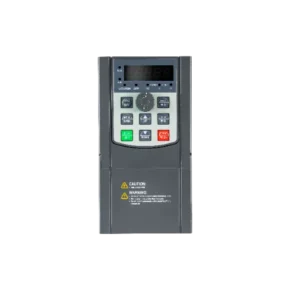
A VFD is a motor controller that varies the voltage and frequency supplied to an electric motor, enabling control of motor speed and torque. By adjusting voltage and frequency together, the drive controls motor RPM and enables variable-speed operation instead of running at full speed—essential for conveyors, pumps, fans, and other applications.
Start with your motor nameplate: note horsepower (HP), voltage, full-speed RPM, and whether the application requires variable or constant torque. Consider the available site voltage and select the correct VFD voltage. Decide whether you need a custom or standard unit, and determine whether features such as LED keypads for programming are necessary.
Match the drive’s continuous current rating to the motor’s full-load current, accounting for horsepower and load type (variable torque or constant torque). For motors exceeding 3 HP, consider industrial-standard drives. Check motor starter requirements and determine whether soft-start or precise torque at all speeds is needed.
Yes. VFDs controlling pumps, fans, or variable-speed loads dramatically reduce energy costs by running motors only as fast as needed rather than at full speed with mechanical throttling. Variable-torque drives yield cubic energy savings in fans and significant reductions in pump energy use, making VFDs an effective cost-reduction tool.
For conveyors and constant-torque applications, choose a VFD rated for continuous torque to ensure availability at low speeds. A correctly sized variable-speed drive allows motor operation at lower speeds while maintaining required torque, with correct horsepower and current capability verified beforehand.
The VFD-supplied voltage and frequency must be coordinated to maintain the motor’s magnetic flux. When reducing frequency, voltage is typically reduced proportionally to maintain torque. Selecting the correct VFD voltage relative to the available site voltage and motor nameplate ensures efficient motor operation and prevents overheating or torque loss.
Generally, yes, but verify the motor’s insulation and cooling requirements. At reduced speeds, cooling fans become less effective, so ensure the motor can handle lower speeds or provide external cooling. Verify motor nameplate ratings, match VFD voltage and current capability, and confirm motor suitability for the intended duty.
The following authoritative sources provide comprehensive information for verifying VFD specifications and best practices: