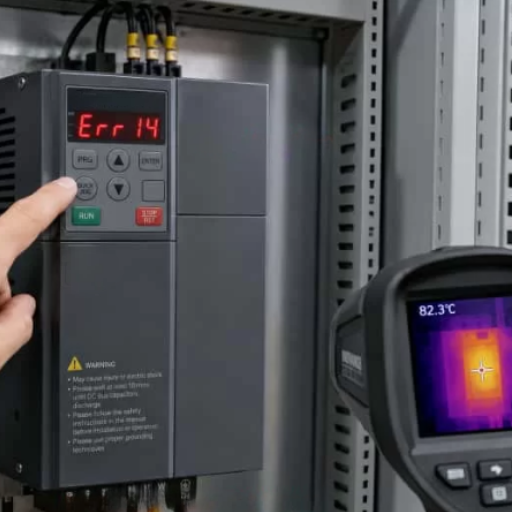
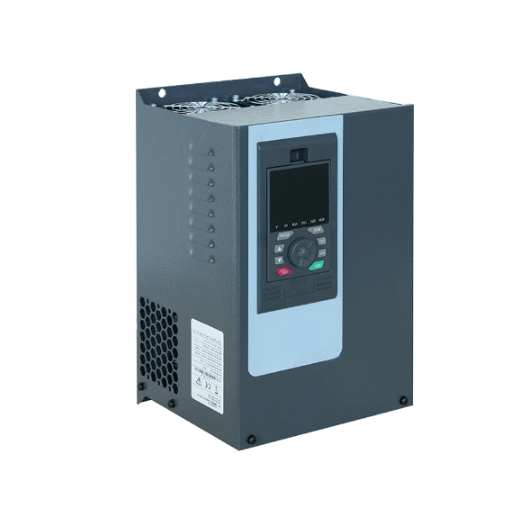
Ready to Get Your VFD Solution?
Whether you need a single drive or a complete system, we have the VFD products and engineering support to ensure your project's success.

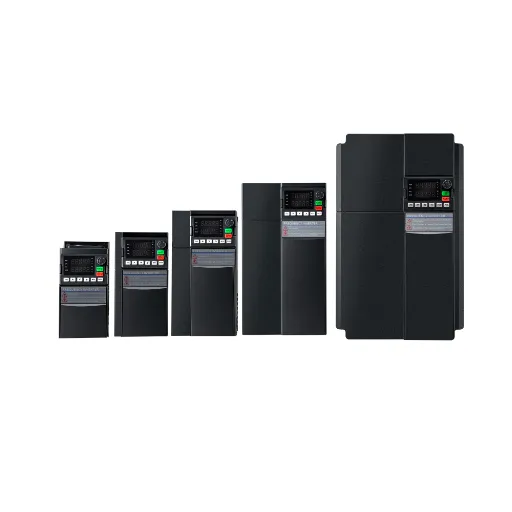
Variable Frequency Drives (VFDs) are indeed game changers in how industries operate. They provide a great way to boost efficiency, reduce energy use, and improve process control. VFDs are gradually being integrated into sectors such as manufacturing, HVAC systems, agriculture, and transportation to provide access to technology that is not only smarter but also more environmentally friendly. This manual will discuss the VFD mechanism, its importance in the contemporary industrial world, and provide practical examples of its use. So, suppose you are a technical person looking for new ways to do things, or a business leader trying to get the best out of your workers. In that case, you will find this helpful paper, as it will not only give you an idea of VFDs’ wide-ranging influence but also their part in the development of current industries.
Variable Frequency Drives (VFDs) have gained immense popularity across sectors on account of their ability to improve energy efficiency, power quality, and process control, and they also contribute to reduced operational costs. VFDs allow motors to operate at optimal speeds, reducing energy waste and supporting sustainability. Moreover, VFDs increase machine lifespan because they do not place heavy strain on the motor during start-up and operation. They also offer precise control over speed and torque, which, in turn, enhances productivity and ensures uniform output quality. In addition, the flexibility of VFDs enables easy integration into automated systems, making them an indispensable part of modern industrial processes.
Key Insight: Variable Frequency Drives (VFDs) are a significant factor in achieving the greatest energy savings and cost reductions across a wide range of industries. The VFDs facilitate drawing down the energy used by the motors to a very low level that corresponds to the application’s specific need, so the motors do not run at their maximum power when it is not necessary.
The latest statistics and industry trends indicate that installing VFDs can, under appropriate conditions, reduce energy consumption by up to 50%, leading to significant reductions in electricity bills. Additionally, reduced repair and replacement of parts not only cuts maintenance costs but also extends the machine’s overall longevity, thereby driving long-term financial gains. In line with search trends, companies seeking to improve energy efficiency and trim operational costs can rely on VFD technology as a durable, eco-friendly solution.
Variable Frequency Drives (VFDs) significantly improve motor performance by enabling very accurate control of speed and torque, allowing the motor to operate at optimal conditions for the specific task. The motor’s efficiency improves, and the mechanical stress it is subjected to is significantly reduced, thereby preventing overheating and prolonging its operational life.
The search engine report shows that interest in the durability of motors and energy-saving technologies is among the most emerging trends in the market. The question that bothers most companies is, “How do VFDs contribute to the motor maintenance cost reduction?” The reason is that they can eliminate abrupt, unplanned starts and stops, which account for a large part of the wear and tear. This less aggressive processing results in an operation that requires less maintenance, less downtime, and, in the long run, greater savings. So, VFDs are not only a cutting-edge solution but also a financially attractive option for companies seeking eco-friendly alternatives.
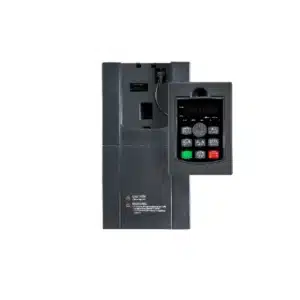
Variable Frequency Drives (VFDs) are used across a wide range of industries for their versatility and energy efficiency.
Variable Frequency Drives (VFDs) are indispensable in modern manufacturing processes, especially for controlling conveyor systems and machine tools. In conveyor systems, VFDs provide precise control over speed and movement, enabling manufacturers to maintain a steady product flow, reduce equipment damage, and easily adjust to varying load conditions. Machine tools also benefit from VFDs, as they deliver optimal spindle speeds and improve cutting accuracy, leading to more productive, energy-efficient manufacturing.
Variable frequency drives (VFDs) are key components in today’s water and wastewater management systems, especially in pump operations and filtration. VFDs are used to control the speed and torque of electric pumps so they deliver the precise amount of flow the utility can use, preventing energy waste. In fact, this is most critical in water distribution and wastewater treatment, where high efficiency and reliability are essential. The VFDs for filtration systems control pump speeds to maintain uniform pressure on the filters, ensuring high-quality filtration, prolonging the life of the machinery, and reducing costs. These innovations not only lower operational costs but also support resource management aligned with global efforts to conserve energy and protect water supplies.
In HVAC systems, blowers and compressors are the backbone of airflow regulation and temperature control. While blower fans do the job of moving air around within the system to ensure that no part of the building is hotter or colder than intended, Compressors take care of the reduction of refrigerant gas in the system, making it possible for the whole thing to work correctly by allowing the gas to absorb heat during the process of cooling. The use of Variable Frequency Drives (VFDs) in these machines is a plus, as it allows the user to control the motors to maximum or minimum capacity, depending on the situation, reducing energy waste and extending their lifespan. This innovation aligns with the industry’s current trend toward first-class, energy-efficient, non-polluting HVAC systems; as a result, the systems can be both durable and carbon footprint-friendly.
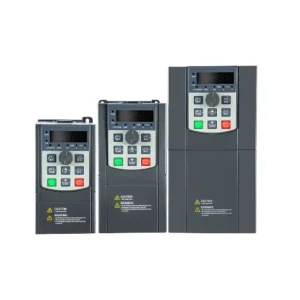
To select the most suitable Variable Frequency Drive (VFD) for your application, you need to consider multiple factors, as compatibility and performance are critical. Begin by checking the motor’s specifications, including the most important ones: voltage, current, and horsepower requirements. Then, choose a VFD with those parameters in its ratings so that there is no load or underutilization of the equipment.
Take into account the working atmosphere. Dust, moisture, or extreme temperatures can affect the longevity of your VFD; therefore, a unit with a proper ingress protection (IP) rating should be selected for that environment. After that, when deciding which control features are required for your application, evaluate factors such as speed range, torque control, and communication protocols for integration with other systems.
No doubt, energy efficiency should be one of the most essential criteria in the selection process. A good number of today’s VFDs feature state-of-the-art, energy-efficient features such as automatic load monitoring and dynamic programming, which reduce power consumption during operation. After this, it is also advisable to check the manufacturer’s reliability and support services, which will help you in the long term.
It is evident from the latest insights and data searches that trending technologies like IoT-enabled VFDs can enable remote monitoring and predictive maintenance, making them an excellent option not only for increasing efficiency but also for reducing downtime. In the end, your application requirements combined with the right features and technologies will guarantee both the best performance and cost savings.
To ensure the successful installation and maintenance of VFDs (Variable Frequency Drives), follow the manufacturer’s guidelines closely. This is because the guidelines are meant for the specific model and application. Secure the VFD in a properly ventilated, free of excessive heat, dust, and moisture, to prevent it from wearing out or failing before its time. During installation, use shields and grounding techniques to minimize electromagnetic interference (EMI) and consequently get a hassle-free operation.
According to the latest data insights, maintenance is one central area that can benefit from IoT-enabled VFD systems. These systems come with the capability to monitor remotely via cloud-based platforms, which, in turn, enable quick fault detection, performance tracking, and real-time maintenance scheduling based on predictions.
Regularly inspect connections, cooling fans, and filters to ensure optimal airflow and prevent overheating. Looking at the trends from the analysis of search data, there is a recurring theme: training and continuous updating of personnel on diagnostic tools and software are necessary to stay ahead of potential issues. The growing trend of these practices, combined with the use of advanced monitoring solutions, will not only prolong the life of your VFDs but also guarantee optimized performance of the entire system.
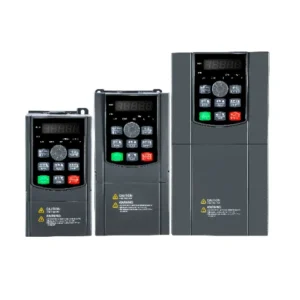
Compatibility is the primary factor that determines the efficient operation and long-term existence of existing systems when Variable Frequency Drives (VFDs) are integrated into them. Modern VFDs are designed to be highly flexible and accommodating, but difficulties can arise depending on the system’s configuration. Compatibility usually hinges on factors such as the age of the current system, the type of motor in use, and the communication protocols required for smooth operation. For example, older motors may not withstand the high switching frequencies of modern VFDs, which, in turn, may lead to increased heat or vibration. A similar situation can occur with the communication interface, which connects the VFD with the central control system.
Using the most current data suggests that installation requires careful planning, e.g., by accounting for system requirements and working with manufacturers. Research confirms that firmware upgrades and the use of advanced diagnostic tools are vital for overcoming barriers between older installations and the latest VFD technology. In addition, considering environmental factors such as ventilation and surge protection will help enhance system compatibility and overall performance.
Harmonics and power quality issues are significant challenges in electrical systems, especially when using Variable Frequency Drives (VFDs). Harmonics are the voltages or currents that are not in accordance with the standard sine wave but cause, for instance, VFDs, which are non-linear loads, among others. The imbalanced waveforms can also cause electrical equipment to overheat, become less efficient, and wear out more quickly in power transformers and motors.
To develop solutions that work and last, it will be necessary to use multiple methods to mitigate harmonics. There are several ways to get rid of harmonics, including:
On the other hand, regular power quality monitoring ensures that any problems that may arise are detected and addressed at an early stage, thereby guaranteeing system reliability and adherence to industry standards, such as IEEE 519. When companies consider energy efficiency, they can even reduce costs associated with equipment downtime and inefficiencies because they have already made the necessary adjustments. As a result, power quality improvement will not be a problem.
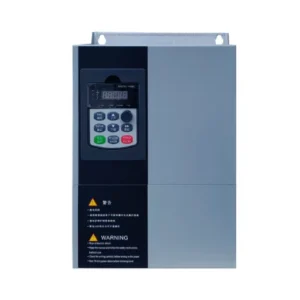
The progress in digitalization, energy efficiency, and connectivity determines the future of Variable Frequency Drives (VFDs). Integration with the Internet of Things (IoT) is one reason VFDs are called smart, enabling real-time monitoring, predictive maintenance, and remote operation. The battery of renewable energy sources, along with their increasing adoption, is the primary driver of power-driven development, which can also be part of microgrids and energy storage systems. In addition, manufacturers are focusing on improving energy efficiency by reducing power losses and enhancing motor control precision. Moreover, the trends toward small, lightweight designs and the use of more eco-friendly materials have also joined the banner of environmental sustainability, which is now a powerful movement. All these technologies make VFDs indispensable for the cutting-edge industries that are also sensitive to energy consumption.
Variable Frequency Drives (VFDs) are integral to making renewable energy sources more compatible with existing power systems. By effectively controlling the speed and torque of motors, VFDs also help prevent power output fluctuations in power generation systems such as wind turbines and photovoltaic solar plants. A stable, continuous stream of energy is provided, irrespective of environmental conditions, if the output is well-regulated. VFDs are furthermore very important for energy conservation in battery systems, which, in turn, leads to better integration of renewable sources in microgrids. The marriage of VFD technology with solar and wind energy systems not only reduces energy consumption but also supports international efforts to lower carbon emissions and transition to clean energy solutions.
AI-based optimization and predictive maintenance are transforming industries by delivering more intelligent, data-driven solutions. These technologies, built on the latest developments in AI, allow systems to anticipate failures, streamline operations, and improve efficiency. By combining real-time data from sources such as search engines, companies can derive practical insights into their performance trends and potential issues.
For instance, AI can analyze vast amounts of search query data to identify new patterns of equipment failures or to predict when maintenance is needed based on usage trends and environmental conditions. This way of working reduces the time systems are out of service, cuts operational costs, and ensures systems operate at their best while disturbances are kept to a minimum.
Here are five professional and authoritative reference sources that you can use to verify the correctness of your article on “VFD applications.” These sources are academic and research-oriented, providing in-depth insights into VFD technology and its applications: