Ready to Get Your VFD Solution?
Whether you need a single drive or a complete system, we have the VFD products and engineering support to ensure your project's success.


One of the biggest challenges is the heat generated by Variable Frequency Drive (VFD), and to maintain the efficiency of any IT equipment, one should provide effective heat management and ventilation solutions. Under no circumstances do we give a choice: efficient intercooling solutions are the key to preventing the system from failing and performing. This review delineates the intricacies of the VFD cooling process and focusses on the challenges due to the accumulation of heat and how beyond-the-norm approaches have been introduced to neutralize such risks. This guidebook is intended as a researcher’s guide: you stand behind it whether to nurture the reliability of your systems or to nurture new technologies in energy efficiency. Further, this write-up offers insight into best practices and technologies that are expected to gain the upper hand vis-à-vis VFD cooling and ventilating strategies.

Technicians generally use Variable-Frequency Drives (VFDs) to functionally switch the motor’s speed or torque. However, while operating, VFDs get very hot. These are critical components of any cooling scheme because VFDs release heat while working, and hence the cooling program must not allow overheating, which includes failure of equipment, more maintenance costs, and a shorter operational life. The VFD is therefore supposed to dispel the heat to save the energy and avoid the exact maximum temperature. A very popular scheme is to use air cooling, liquid cooling, or combination cooling within particular application requirements. Consistent cooling is of utmost importance for enhanced efficiency and sustained performance at the lowest maintenance cost.
Variable frequency drives (VFDs) are electronic devices purposely designed for options wherein an alternating current (AC) electric motor’s rotational speed is manipulated, thereby regulating the frequency and voltage supplied to the motor. This rotational speed variability attendant upon a VFD can allow better management of energy consumption, increased process efficacy, and decreased mechanical stress on the machinery. VFDs are, therefore, very widely utilized when processes require varying-speed drive motors to impart in high efficiency and effectiveness.
Advanced semiconductor technology in contemporary VFDs, sophisticated control algorithms, and governance provide highly flexible operations. The three main components in modern VFDs are a rectifier to convert AC power to direct current (DC), a DC bus to store the converted DC power, and an inverter that provides adjustable voltage-level AC power at the desired frequency. Most modern VFDs also come equipped with modest monitoring and diagnostic capabilities in terms of preventive maintenance and immediate evaluation of their performance. Savings in energy of up to 50% by a bipolar application with the implementation of VFDs in energy-efficient industrial operations.
In Variable Frequency Drive (VFD) applications, the efficiency of cooling is critical for the proper operation and durability of the system. Within this context, VFDs allow for the application of rapid switching involved in power electronics, thereby dissipating heat through energy conversion. Without careful management of heat, the result will be component failure, a marked decrease in efficiency, and potentially unsafe operation.
New VFDs are often equipped with highly advanced cooling mechanisms-utilizing forced air, liquid, or heat sinks to provide efficient heat dissipation. Forced air cooling, achieved by fans, finds its place in lower to medium power-range VFDs, while the use of liquid cooling prevails in high power due to its superior thermal conductivity and accuracy.
Key Insight: Studies have found that continuous cooling at operational temperatures, such as keeping the VFD systems at about 40°C or lower, may prolong component life by up to 50%. Meanwhile, not cooling the equipment properly could have a negative aspect to it by causing thermal stresses in various internal components like IGBT modules, capacitors, and control panels; eventually rendering a sustained performance reduction over time. Therefore, cooling innovation and maintenance are the paramount preventive methods to ensure minimal operational disruptions when working in industrial settings.
In general, thermal management refers to the process put in place to maintain the heat generated in the electronic system and dissipate it practically, the end result being operational stability and the longevity of the device. The various methods of heat transfer such as convection, conduction, and radiation are vital in keeping the temperature stable. An example that involves conduction is the more current methods of compact systems that use TIMS like silicone pads or graphene-enhanced TIMs, where the heat is then driven efficiently from the components over to the heat sinks. Forced convection, on the other hand, helps in actively draining away the heat from high-power devices like power transistors or IGBT modules when well-placed aims or strategic loads are employed.
Recent developments in thermal management technology include the use of phase-change materials (PCMs) and advanced air-moved heat pipe or thermosiphon solutions that feature higher thermal conductivity. The subject matter incorporates materials with excellent latent heat characteristics to better capture the cooling process, invariably reducing peak heating during operation. Also, developments in heat pipe sizing and vapor chamber technology are strengthening the groundwork to better spread temperature dissipation in the ultracompact and high-power density scenarios.
The installation of these advanced systems is greatly essential for instantaneously preventing bail-out from thermal runaway, hot spots, and other factors such as temperature-induced local failure and downtime of components. Engaging in the cost-effective techniques and materials that these industries provide, every aspirant will be sure of achieving the maximum energy efficiency without breaching any safety or reliability requirements or standards in high-performance environments.
A Variable Frequency Drive (VFD) is a key element in saving energy through using motor speed for the actual system requirements instead of running continuously in full mode. Various studies indicate that energy use drops by 50% by bringing down motor speed by only 20%, which underscores the fact of an exponential relationship between motor speeds and power draw. These savings are huge and, of course, go straight into utility costs, thus making operating a large power unit.
As a result of these developments, an effective optimization process will ensure HVAC systems or certain other industrial processes to stay synchronized with the real demands, thereby ensuring energy wastage during times of lower demand. For instance, VFDs applied to a centrifugal pump system to modulate flow rate changes could result in huge energy savings when compared to traditional throttling of the same. Also, above that, a reduction of energy-time means that the VFDs are eligible for energy conservation incentives and rebates, thus making long-term financial savings more efficient. The ultimate goal of this operation would consist of viewing the cost savings as a major portion of the company’s sustainability by reducing the carbon footprint.
The incorporation of Variable Frequency Drives (VFDs) into centrifugal pump systems advances the performance of the equipment. By closely controlling the speed of the motor to match the actual demand during the processing, the VFD assists in adequately reducing mechanical stress on components, thereby helping prolong the service-life of pumps, motors, and other upcoming equipment. The latest up-to-date research on industry best practices largely showed significant savings on maintenance, owing in part to smoother equipment operation; this eliminates wear and tear typically generated from traditional constant-speed mode systems. As the analyses further unfold, an optimized pump control via VFDs could also enhance system reliability by significantly reducing occurrences of cavitation, overheating, and pressure surges, thereby ensuring singular process stability under heterogeneous load conditions. Such a regime allows for predictive maintenance strategies plus undoubtedly measurable operational improvements in industrial applications.
In today’s scenario, the smart approach for enhancing equipment longevity operation includes newer technologies and advanced proactive maintenance strategies. Their efficiencies, by contrast to fixed-speed equipment, indicate that variable frequency drives (VFDs) and smart thermostats can control energy consumption precisely as minimal stress is put on system components. Inferences from critiques have sought after some form of predictive maintenance system, which uses various IoT-sensors to analyze potential breakdowns through monitoring performance metrics for significant parameters such as temperature, vibration, and airflow. These solutions can accomplish early interventions miraculous in respect to the erosion of electric motors, compressors, and heat exchangers. High-efficiency filters and regular coil cleaning are two fundamentals for maintaining air quality and reducing operational stress. Industry data underscored that these measures generally safeguard HVAC systems for 30% of the operational life and its resultant low life cycle costs and performance improvement.
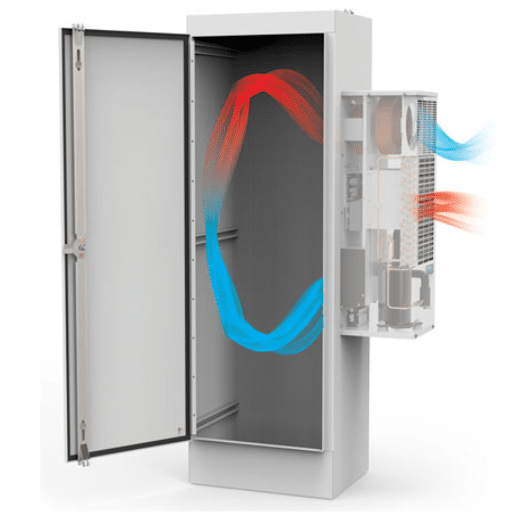
Optimization and consideration should come into cooling strategies for Variable Frequency Drives in the maintenance of proper airflow rates and temperature control since overheating is the primary reason for VFD failure. Ensuring that there is proper ventilation on the installation site and that the internal cooling fans of the VFD are in full working condition and periodically inspected is recommended. In situations where the installation was expected to be in extreme heat conditions, one could think of using an external cooling unit, such as a heat exchanger or an HVAC, to surely bring the surrounding temperature back to the VFD’s safe operating range.
Also consider implementing VFDs that come with advanced thermal monitoring systems which would warn if it was heating up sooner, thus giving time to deal with the issue immediately and thereby minimizing the disastrous effects of overheating on the VFD. Routine service and cleaning of filters and heat-sinks will prevent dust accumulation, which impacts the cooling efficiency. Moreover, sticking to the manufacturer’s instructions with respect to the operational temperature limits and the environment will be a big step in making it a more dependable and efficient way of operation.
| Feature | Air Cooling | Liquid Cooling |
|---|---|---|
| Cooling Method | Fans dissipate heat via airflow | Coolant absorbs and transfers heat |
| Heat Dissipation Speed | Moderate | Faster than air cooling |
| Noise Levels | It can be loud at high speeds | Generally quieter |
| Installation Complexity | Easy to install | More complex setup |
| Maintenance Requirements | Low maintenance | Regular coolant checks required |
| Cost | Budget-friendly | Higher initial investment |
| Cooling Efficiency | Sufficient for most builds | Better for overclocked systems |
| Space Requirements | Compact, fits standard cases | Requires larger or compatible cases |
| Durability | Longer lifespan with low wear | Components can degrade over time |
| Aesthetic Appeal | Basic, functional designs | Sleek, customizable aesthetics |
In order to optimize enclosure cooling, a compromise between the correct balance of airflow management complemented by cooling technology is imperative away from component positioning helps. Designing an airflow system with exhaust and intake fans in a balanced configuration is one of the tasks that help create such air pressurization. Positive air pressure leads to heat by reducing the accumulation of dust inside the enclosure through only introducing filtered air, while neutral air pressure helps in avoiding conflicts and ensuring that better temperature regulation can be ensured.
Positioning the components strategically is another important factor. Placing components like GPUs and CPUS together should coincide to reduce air obstruction, thereby assisting in better heat dissipation. Effective cable routing will aid in hindering any blockages to proper airflow that in turn assist in moving thermal energy throughout the case in a smoother operation.
Modern cooling solutions are more efficient these days. Heat sinks with larger surfaces and some of the advanced designs deliver faster heat dissipation. Some applications of liquid cooler systems, integrated liquid cooling loops, and custom systems can work wonders for heavy workloads on high-performance systems. Besides regular dust-free upkeep, working fan filters, such bases account for enhanced services in cooling in the long run.
It is truly essential to manage the airflow correctly to have the system run smoothly and to prevent hardware degradation due to heat. The main factors that contribute to extracting the maximum cooling efficiency are the location of the fans and the way they are turned. The ideal configuration that comprises both intake and exhaust fans provides a good ventilation flow path that does not allow hot air to linger in the chassis.
Recent case enclosures might sport features like fan mounts which can be adjusted and carry perforated panels intended for airflow optimization. The front-to-back or bottom-to-top airflow design is in line with natural thermodynamics since hot air rises. Furthermore, computations conducted by computational fluid dynamics (CFD) give one deeper insight about flow patterns and any zones where heat is mounting but not escaping, which should further help adjust the fan positions and speed modulation.
Further, to look over the importance of using high-static pressure fans for tight spaces like a radiator or for airflow-restrictive environments, such fans can potentially enhance the cooling capacity. The far less restrictive areas are made for fluids with high airflow capability, so the latter kind is to be employed along with HVAC systems that work effectively. Along with the same, regular maintenance practices such as keeping the fan moving unimpededly and replacing those that have worn out must be kept in place to render optimal cooling for heavier loads.

VFDs create a whole set of thermal issues due to the high heat generated during their normal operations. The latter ones involve heat piling up in tight boxes, very low heat exchange volume due to not enough air, and what makes systems overheat coming from wrong installation or maintenance. Therefore, the only solution is to make sure there is sufficient ventilation and cooling means inside the enclosures. Necessarily adding things like heat sinks, cooling fans, or even liquid cooling for the high-power applications are ways of improving the heat regulation. The maintenance is also an absolute must. Dust accumulation, which can obstruct the airflow and hence degrade cooling efficiency, is one of the reasons why regular inspections and cleaning are crucial. The other way is by staying smart. Keeping to the manufacturer’s specifications for temperature limits is nothing short of a guarantee that you will get both the performance and the life of the VFD components.
The two most important reasons for Variable Frequency Drives (VFDs) failures are due to heating and improper installation. Improper installation can bring about thermal buildup if the practices include inadequate spacing between parts or are not enough open the enclosure for ventilation, hence it significantly increases the risk of the device malfunctioning. It is crucial to strictly follow all instructions on the design of the air flow given by the manufacturer in the case of the installation and the positioning of the drive.
Warning: According to research, VFDs that are constantly operated in hot environments can sometimes last up to 50% less than they would have if the temperature levels were only 10°C beyond the rated settings. On the other hand, it is possible to prevent the temperature-induced stress and thus have the drive working consistently by keeping the thermal situation stable with the use of special cooling methods, viz., forced air or liquid cooling systems. Also, it is not only the Connections but also the choice of materials, and the other parameters that have an influence on the performance of a VFD, by the way, a poor choice can lead to overheating, which results from the electrical system being less efficient than could have otherwise been the case.
The best practices can be summarized as the use of right cable types, following the prescribed torque values for electrical terminals and avoiding cramped installations that hinder the dissipation of heat. Starting with a careful initial setup and subjecting the equipment to thermal imaging inspections on a regular basis could be viewed as an acceptance of two very effective diagnostic tests for discovering a possible problem. The reliability and the life span of VFD systems can be conserved by adopting good installation standards and new cooling systems at the same time that the risk of overheating is mitigated.
When assessing the effectiveness of measures in managing thermal conditions, it is highly important that the installation of advanced technologies and materials be taken into account. Heat sinks with a very low power loss, for instance, are built in order to maximize thermal conductivity and to remove heat through wider surface areas. At the same time, both thermal and fresh air intake through well-executed fans and vent openings are among the most common methods used, especially for relatively small systems, thus allowing the equipment to stay cool and perform better.
Liquid-nitrogen, one of the highly efficient means of cooling systems that is used for very high the heat generation, is a cooling liquid of accurate temperature which is delivered through a specially designed pipeline system ensuring constant system temperature, or at least reducing the amount of heating that would be damaging for the equipment. As soon as the phase-changing materials (PCMs) come into use they will definitely be regarded as a proper selection. These materials can behave like good heat exchangers, transferring heat to or from the system during their phase change and thus keeping the temperature stable.
Being proactive and vigilant about the environment impacts on the heating and cooling systems. When the temperature sensors are put in the systems along with other embedded devices/assets, data would be collected in real-time; the collected data would complement the algorithms that predict the measures to be taken to adjust the system in case of any excesses thus ensuring that the system would work optimally and the end result will be the reduction of energy wasted due to inefficiency. Furthermore, environmental chambers that are specifically built for rugged use, along with appropriate insulation, will not only shield but also maintain the working of the sensitive equipment against extreme temperatures and the risk of contamination.
Regular maintenance checks also need to include the inspection of cooling systems, thermal pastes, and the ventilation system. Such measures facilitate ongoing system performance, thus diminishing the possibility of breakdowns due to high-temperature conditions. Consequently, the combination of these methods forms a comprehensive, high-technology-integrated, and efficient aeration system that meets the demands of today’s complex heat dissipation problems.
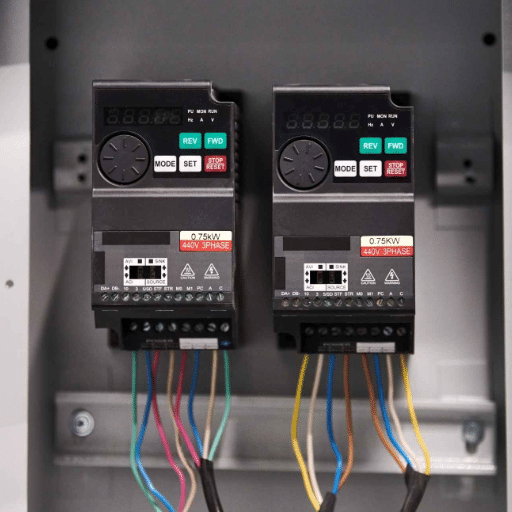
For Variable Frequency Drives (VFDs), a combination of routine inspection and advanced monitoring technology would be an effective maintenance strategy to ensure the continuous operation and long life of the system. Use diagnostic tools that give real-time data on the electrical input, output currents, and thermal profiles during operation. These tools will be helpful in finding errors that are voltage imbalanced or heating up which could cause the component to fail if not attended to. The drawback of it all is that they are not able to predict the future in terms of too much of the loss of efficiency slowly but one of the ways to help is to have as much data as possible collected and analyzed. This way they are going through history and are trying to predict it based on some similarities as well as some deviations. The lowest point reached is that potential machine failures are getting less and less of a problem, and at best, their benefits are almost above expected values.
An important aspect of efficient ventilation schemes is that they are very much dependent on the effective control of airflows, which also results in the best conditions for cooling and for carrying off the excess heat and contaminants from the enclosed spaces. As one of the most trusted techniques, computational fluid dynamics (CFD) simulations are increasingly being used to investigate and improve airflow patterns. These simulations provide for the exact determination of the areas with high heat and the selection of the correct placement of vents, fans, or air conditioning units for the best result in terms of efficiency.
It is found that even though the usage of smart methods of ventilation in buildings, like fans varying their speeds or the use of smart ducting technologies, the energy demand may drop down by as much as 30%. Along this same line, the use of High Efficiency Particulate Air (HEPA) filters may lead to the removal of up to 99.97% of the airborne particles in the space with high indoor air quality as a result. The right-sizing of equipment and providing, at the same time, proper and regular maintenance will not only improve the efficiency of airflow, but it will also cut down the energy required and lengthen the life of the critical system components further on.
Putting into effect cutting edge management software improves the modern operational infrastructures’ efficiency and reliability to a great extent. These systems benefit from data analysis, machine learning, and real-time monitoring to make performance metrics in a variety of workflows be best optimized. To cite another case, predictive analytics from the high-end management software can predict the failures of the equipment, suggest the maintenance measures in advance, and manage the energy more efficiently of HVAC systems. The result is that the standby time is reduced to the minimum and the costs are optimized to the maximum.
In a similar manner, installing Building Management Systems (BMS) in one site enabled the command for lighting, ventilation, and temperature from one place which ensures the fulfillment of energy codes and the attainment of sustainability aims. The figures mention that linking these systems can result in reduction of one’s energy to a maximum of 20% if it is very complicated and its calibration is perfect. Energy savings are realized, and consequently, the overall productivity of businesses is maximized through the monitoring of system effectiveness supported by automated diagnostics and the making of minor adjustments that are spot-on.
Air circulation through the fans, air flow and cooling from the fans and pumps, with extracted heat being dissipated to the ambient environment, helps dissipate the heat released by the motor and other associated equipment. The use of a VFD to control fan speed is another way to get the cooling requirement and control system demands equal and then minimize heat loss as well as the amount of heat being carried though into the air system. The Ventilation for VFDs is a branched future certainly! Moreover, other than the size of the drives, the use of air to cool as overheating avoidance while the VFD is operating is of equal paramount importance.
Motor speed control’s precision offers the chance to change the speed of the motor to the intended demand, which results in reductions in full load running time and the heat generated, enhancing heat dissipation efficiency. Inverter drives implement an AC to DC conversion and then control AC to the motor, therefore, the inverter drives can run properly and they also can enable the air conditioner or the heating system to efficiently operate cooling towers, fans, and pumps, and other components. Consequently, the effect will be that the need for maintenance is less and the cost of owning is lower because there will be less wear and tear and also higher efficiency and control.
Drives control the water flow rate and fan speed in systems with cooling towers to perfectly match cooling needs, which helps to reject the heat from condensers and decrease the local air temperature. The cooling need is reduced through VFDs as they offer high precision control which thereby contribution to the optimization of the heat that has to be abandoned to the cooling tower. The full load operation and energy consumption through inefficient pumps and fans could be minimized, and thereby the cost of ownership could be lowered by improving efficiency when VFDs are used. Drive systems are effectively working since the drives are oversized and the control system settings are correctly tuned for a minimum heat loss condition.
Though they are diminished in size, VFDs and motors still emanate heat, hence the necessity of proper ventilation and fan cooling for the optimum working of VFDs. The necessity of ventilation for smaller drives seems to be less than for bigger drives, but it is always good for the monitoring of the ambient temperature by the control system in order to avoid the overheating of the system. VFDS are quite an advantage in power conservation and control but on the condition that they are installed with the necessary cooling airflow or heat sinks. The contention that the air system or fans and pumps can move sufficient air and cooling can be done through excess heat prevention and component life extension.