Ready to Get Your VFD Solution?
Whether you need a single drive or a complete system, we have the VFD products and engineering support to ensure your project's success.


Variable Frequency Drives (VFDs) have established themselves as essential technology in contemporary industry, offering environmental benefits and efficiency gains. This comprehensive guide examines VFDs’ significant contribution to sustainability and emissions reduction across different industries, while addressing both their advantages and ecological considerations.
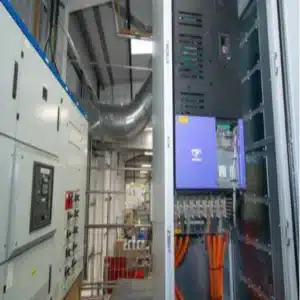
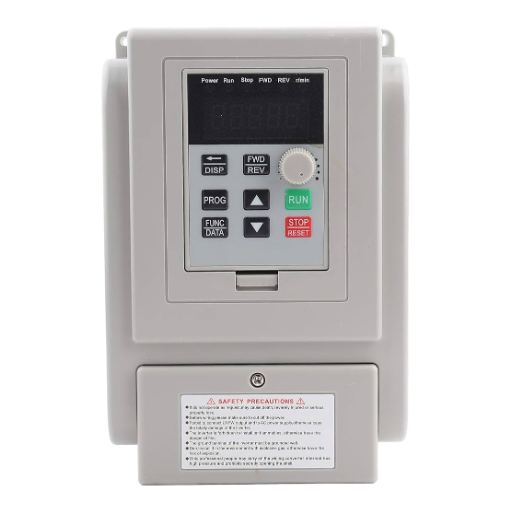
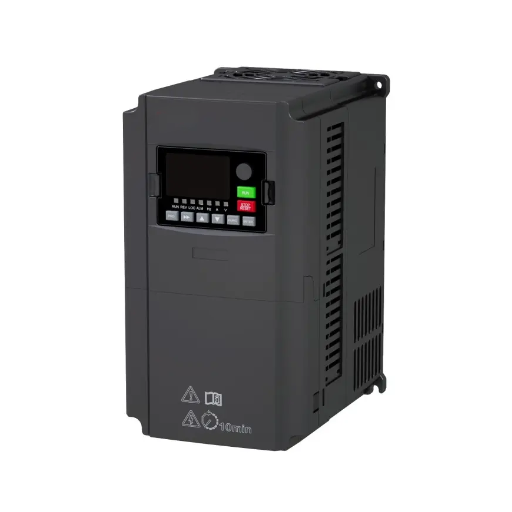
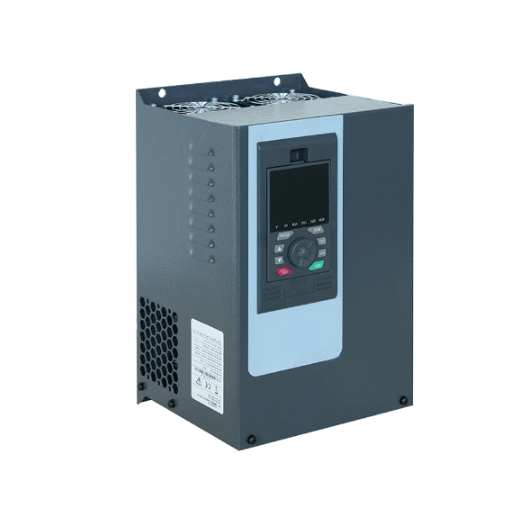
Variable Frequency Drives (VFDs) are electronic devices that control the speed and torque of electric motors by varying the frequency and voltage of the supplied power. By precisely regulating motor speed to meet application requirements, VFDs not only save energy but also prolong equipment life. They are widely used in industries such as manufacturing, HVAC systems, and water treatment, where motor-driven processes are essential. By boosting motor performance, VFDs enhance operational effectiveness and promote sustainability.
Variable Frequency Drives consist of several critical components that work together to control motor speed and efficiency:
Variable Frequency Drives convert a standard power source’s fixed frequency and voltage into variable frequency and voltage output, enabling precise control of motor speed and torque. VFDs apply advanced algorithms to adjust the frequency and voltage delivered to the motor based on required speed and load, providing soft starting and stopping. This feature is significant in industries such as manufacturing, HVAC, and water treatment, where precision and efficiency are vital. Modern VFDs come equipped with real-time monitoring and diagnostics, helping operators spot faults and make adjustments before they cause downtime and increase maintenance costs.

Variable Frequency Drives account for significant energy savings by varying motor speed to match actual load requirements. This eliminates energy waste caused by motors running continuously at maximum speed, regardless of demand variations. VFDs enable efficient power consumption, leading to lower utility bills and reduced CO2 emissions. The precision VFDs provide in controlling motor power contribute to overall system efficiency and motor lifetime, helping reduce operational costs. The industrial and commercial sectors benefit significantly from these advantages, making VFDs a chief remedy for improving energy efficiency.
Variable Frequency Drives primarily reduce electricity bills by tuning motor speed to load requirements. VFDs provide more control than constant-speed motors, allowing the motor to consume only the energy required for the task. By matching energy demand and supply, VFDs lower costs and reduce the carbon footprint, making them ideal for environmentally friendly business practices and energy-use optimization.
Variable Frequency Drives are an essential part of a wide range of industrial applications due to their numerous advantages and high efficiency:
| Industry | VFD Application | Primary Benefits |
| Manufacturing | Controlling conveyor belts, mixers, and pumps | Energy efficiency, speed control, and reduced tedium |
| HVAC Systems | Heating, ventilating, and air-conditioning large commercial and residential buildings | Substantial reduction in energy costs, improved comfort |
| Water & Waste Management | Controlling pump speed in response to flow demand | Operational efficiency, waste prevention, responsive control |
| Renewable Energy | Power output control in wind and solar systems | Grid stability maintenance, increased clean energy effectiveness |
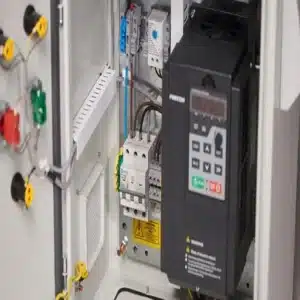
Variable Frequency Drives play a significant role in reducing energy consumption and greenhouse gas emissions. By adjusting motor speed to exact load requirements, VFDs prevent energy waste in industries and the service sector. This efficiency reduces demand for fossil fuels, contributing less to CO2 emissions from operations. The use of VFDs in renewable energy sources enhances the effectiveness and reliability of resource management, aligning with global efforts to promote sustainability and combat climate change through energy-efficient technologies.
Almost 45% of global electricity consumption comes from electric motors, making their efficiency vital to the fight against climate change. VFDs allow motors to run at optimal speeds in response to varying load conditions, drastically reducing energy consumption and resulting in direct decreases in greenhouse gas emissions. Industries installing VFDs have achieved energy savings of up to 30%, making massive contributions to reducing the carbon footprint and supporting global movements like the Paris Agreement, which calls for energy-efficient technologies as necessary for achieving climate goals.
VFDs are essential components in reducing energy consumption across industries, directly affecting global initiatives to combat global warming. Recent assessments show that by using VFDs, electric motors—one of the largest consumers of electricity worldwide—can achieve dramatic efficiency gains. VFDs reduce energy waste by controlling motor speed and torque with high accuracy to meet operational demands, achieving energy consumption reductions of 30–50% in some cases.
VFDs are invaluable for integrating renewable energy systems, providing the flexibility needed to manage fluctuating power inputs. This adaptability is essential during the industrial transition to green, solar, and wind-based grids. VFDs are well-positioned to meet environmental goals set in global pacts like the Paris Accord by being part of industrial infrastructure. Their contribution to stabilizing the energy system qualifies them as the technology of choice in the battle against climate change.
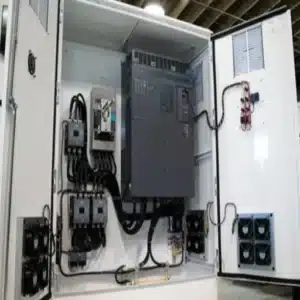
VFDs can generate electrical harmonics that degrade power quality throughout the system and may cause equipment outages. This requires mitigation strategies, such as harmonic filters, to address appropriately.
VFD production generates materials and uses processes that can have adverse environmental effects, including concerns about resource extraction and electronic waste. Adopting sustainable sourcing practices can help reduce this impact.
Variable Frequency Drives are produced with extensive environmental considerations. Obtaining materials for VFD production—metals, plastics, and electronic components—requires mining and processing, which depletes natural resources and emits greenhouse gases. Energy-intensive production methods increase VFDs’ carbon footprint. Recycling and sourcing sustainable materials are among the ways to lessen environmental impact, though industry uptake remains low. Proper disposal and recycling methods for VFD electronic waste must be emphasized, as this waste can release toxic substances if not properly treated. Design processes that prioritize durability and efficiency can gradually reduce the environmental footprint of VFD production.
End-of-life management of Variable Frequency Drives remains a significant challenge for the industry. Current data shows that around 20 to 50 million metric tons of e-waste are produced worldwide each year, with VFDs being a substantial contributor to the e-waste stream due to their widespread use in industrial and domestic applications. Proper disposal is essential, as circuit boards and capacitors can be contaminated with hazardous materials, particularly lead and cadmium, which can enter soil and water, causing long-term environmental damage.
Manufacturers’ take-back programs and recycling schemes encourage users to send obsolete equipment back for safe processing. Modern recycling methods have advanced to the point where valuable metals like copper and aluminum can be recovered, lessening demand for new raw materials and completing the material cycle in a circular economy. Educating consumers and businesses about responsible e-waste management is critical, as raising awareness helps reduce environmental risks and ensure compliance with increasingly strict regulations worldwide.
Current Recycling Rates: In 2023, roughly 17% of the total e-waste generated was recycled appropriately, a considerable increase from earlier times.
Positive Outcomes: New technologies have considerably reduced environmental footprints by containing the spread of hazardous materials, supporting conservation of resources, and sustainability objectives.
However, total acceptance of responsible recycling practices remains incomplete. A large amount of electronic waste still ends up in landfills or is sent to poor countries, where toxic materials are difficult to dispose of safely. The technology required for high-level recycling is expensive and can deter businesses from going green. Developing a harmonious relationship among all stakeholders through continuous innovation, supportive regulatory frameworks, and increased public awareness is key to ensuring the long-term sustainability of e-waste recycling projects.
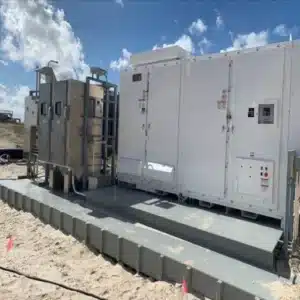
VFD (Variable Frequency Drive) technology has recently made significant strides and is poised for new heights in energy efficiency and intelligent motor control. Current advancements include:
The market for energy-saving solutions is expected to grow significantly in the years ahead, driven by global emphasis on sustainability and stringent energy regulations. The latest forecasts indicate that the global market for energy-efficient solutions will exceed $200 billion by 2030, with a compound annual growth rate (CAGR) of around 8%. Key growth drivers include increased adoption of energy-efficient technologies across sectors, progress in integrating renewable energy, and government actions that promote environmental consciousness.
Innovative technologies such as variable frequency drives, energy management systems, and IoT devices are at the forefront of this movement, offering both economic and environmental benefits over traditional systems. The Asia-Pacific and Latin American regions, emerging markets experiencing rapid industrialization and urbanization, are likely to drive the most significant growth as demand for green solutions increases.
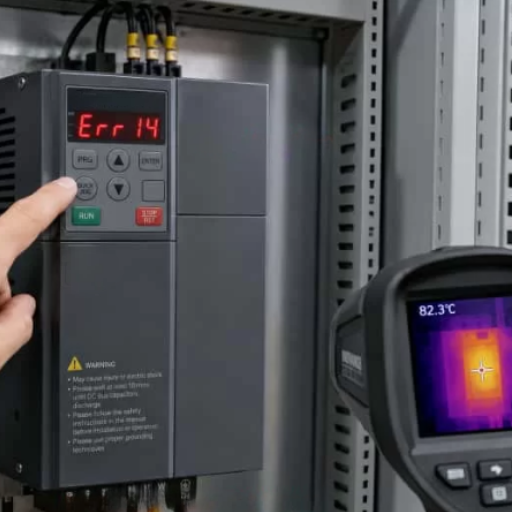
Installing a VFD requires attention to cooling, filtering, and proper electrical grounding to prevent harmonics and ensure reliable operation. While VFDs reduce wear and tear and lower overall maintenance, periodic checks are necessary:
A VFD (variable frequency drive), also called a variable-speed drive, is an electronic system that controls the frequency and voltage supplied to a motor to achieve precise speed control. By adjusting motor speed to match load requirements rather than running at a constant speed, VFDs can significantly reduce energy consumption and lower environmental impact by reducing greenhouse gas emissions and lessening demand on power generation.
Variable-speed drives offer precise control over motor speed, allowing adjustment when full power isn’t needed. This reduces energy consumption because the drive matches output to load requirements, resulting in significant energy savings and lower energy costs compared to the high energy waste of constant-speed systems.
Benefits include significant energy savings, reduced environmental impact, and lower power plant emissions. By reducing energy consumption, mechanical stress, and equipment wear and tear, VFDs enhance energy efficiency and equipment longevity, contributing to environmental protection and reduced maintenance requirements.
Yes. By providing smooth acceleration and deceleration and avoiding frequent starts/stops at full torque, VFDs reduce mechanical stress on motors and driven equipment. This reduced wear and tear leads to lower maintenance costs, longer equipment life, and better overall performance and efficiency.
In industrial facilities using pumps, fans, conveyors, and compressors, VFDs can significantly reduce energy consumption and lower operating costs. Control and energy savings translate into reduced utility bills, lower maintenance costs, and extended equipment life—all of which contribute to long-term cost savings and improved return on investment.
VFDs are highly effective when loads require variable speeds but may be less cost-effective for small, constant-speed applications with minimal runtime. Additionally, compatibility issues may arise with certain motors or controls; choosing the right motor and VFD combination and ensuring proper installation are essential to realize energy efficiency and performance benefits.
By significantly reducing energy consumption across many applications, VFDs help industrial facilities meet energy-efficiency standards and regulatory goals. They serve as practical tools for energy management programs, offering measurable reductions in high energy use and assisting organizations to comply with environmental protection policies and efficiency targets.
Energy savings depend on the application and load profile. In variable-torque applications like fans and pumps, VFDs can significantly reduce energy consumption—often by 20–50% or more—because power consumption scales with the cube of speed. Adjusting motor speed based on load rather than running at a constant speed results in substantial reductions in energy consumption and lower energy costs.
The following professional and authoritative sources provide comprehensive information on VFD environmental impact:
Description: Provides in-depth analysis of the energy, economic, and environmental benefits of VFDs, including input-output analysis for broader impacts.
Title: Electrical Design in Petrochemical Facilities-Considerations for Reducing the Environmental Impact
Description: Discusses environmental considerations of VFDs in industrial applications, particularly in petrochemical facilities.
Description: A case study focusing on energy savings and environmental benefits achieved by implementing VFDs in the pulp-and-paper industry.