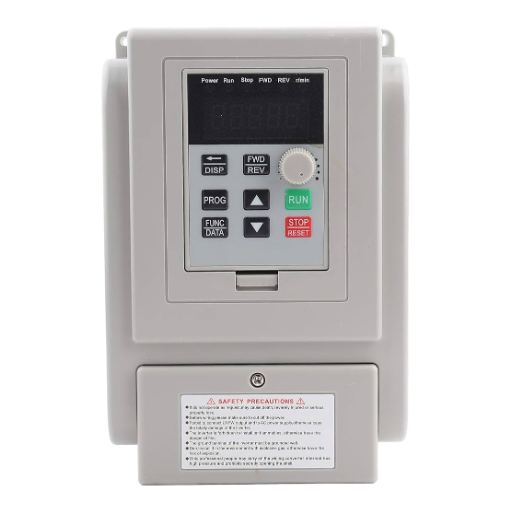
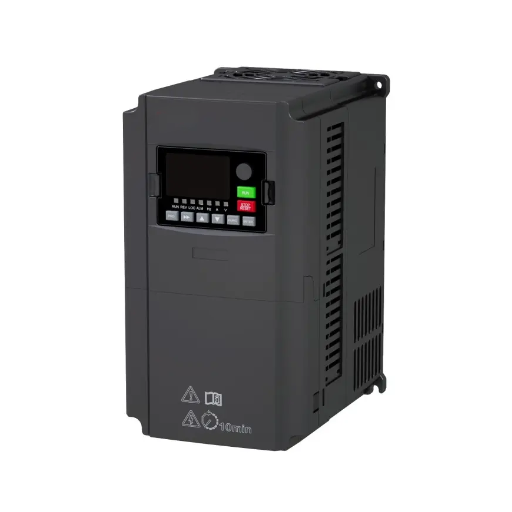
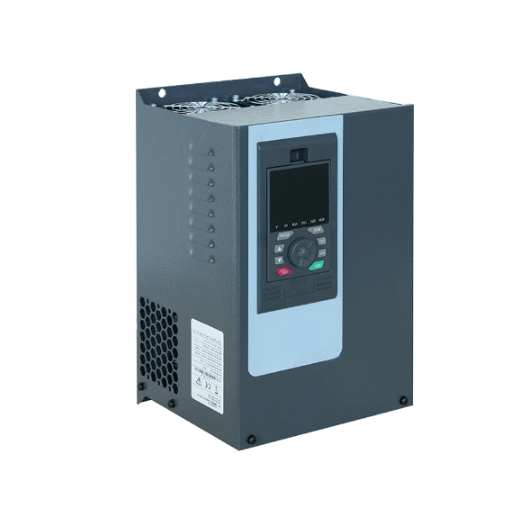
Ready to Get Your VFD Solution?
Whether you need a single drive or a complete system, we have the VFD products and engineering support to ensure your project's success.

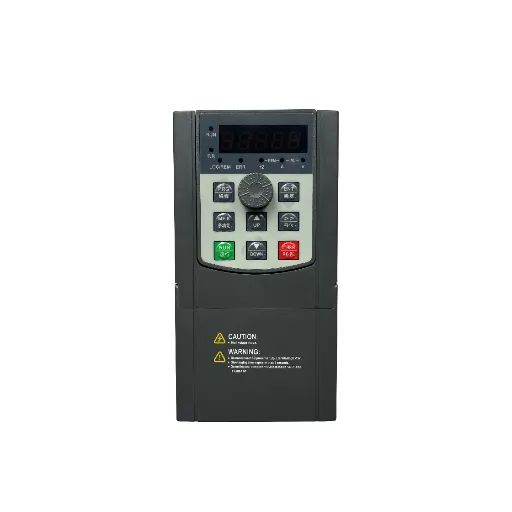
Variable Frequency Drives (VFDs) have changed the traditional ways industries handle energy consumption, and they are an excellent source of operational cost reduction and efficiency improvement. In the face of constantly rising energy costs, more and more companies are turning to VFDs as the primary weapon in the battle against high production costs and achieving significant savings. But how do you measure the exact financial consequence of VFDs? A VFD Energy Savings & ROI Calculator will help you in this matter. It is a convenient tool that provides you with potential energy savings and the investment return that will result from installing VFDs in your business.
We will explore how this calculator works, why VFDs are a game-changer, and how small and large companies alike can benefit from this technology. You will learn how to achieve $1,000 in savings while promoting your eco-friendly practices.
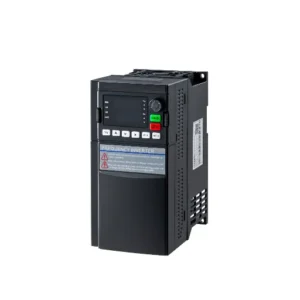
Variable Frequency Drives (VFDs) are an essential factor in improving energy efficiency because they can control motor speed and torque. In contrast to traditional systems that continuously power motors at full speed, regardless of demand, VFDs regulate motor performance in response to the application’s actual needs. Thus, total energy consumption is lower and waste is reduced. The reduction in energy costs, the improvement in equipment lifespan, and the decrease in greenhouse gas emissions from VFDs’ efficient motor operation make them a necessary tool not only for cost savings but also for sustainability.
A typical inquiry about VFDs concerns their operation under different conditions and the extent of performance improvement they provide. The latest news suggests that combining VFDs with state-of-the-art data analysis tools, such as those used in search engine algorithms, can elevate optimization efforts to the highest level. With sophisticated algorithms and continuous monitoring, VFDs can more precisely adapt to changing operational needs and even anticipate maintenance needs, resulting in a significant reduction in downtime.
Not only does this technology integration make energy use more efficient, but it also provides a more intelligent approach to industrial automation that aligns with economic and ecological goals.
In many industries, such as HVAC, pumps, and fans are the main components used. The use of the latest data and predictive capabilities derived from search engine algorithms can enable Variable Frequency Drives (VFDs) to improve efficiency in ways yet to be seen. One of the most critical questions is, “What is the measurable impact of these technologies on the operations of the industry?”
Adjusting motor speeds to current demand is the main reason for the answer. Take, for instance, a large-scale HVAC system where power consumption could be reduced by using VFDs that adjust fan speed to airflow requirements, rather than running at a constant speed that is inefficient. Likewise, in water distribution systems, pumping machines with VFDs can adjust their operation to varying pressure and flow demands; thus, there is no energy waste and less mechanical wear. These fine-tuning operations, enabled by sophisticated algorithmic insights, not only deliver tangible benefits such as operational cost savings, longer equipment life, and reduced total carbon footprint, but also other, less visible benefits.
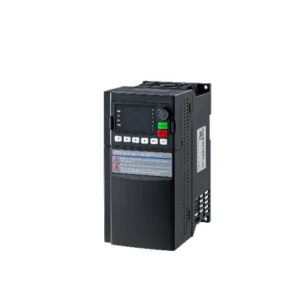
VFDs adjust motor speed to match demand, significantly reducing energy consumption compared to constant-speed motors.
By reducing energy use and equipment wear, VFDs lower operational and maintenance costs.
Smooth motor starts and variable speed adjustments reduce mechanical stress, helping extend the life of pumps, fans, and other machinery.
VFDs enable precise motor speed control, improving performance and adaptability across various systems.
Lower energy usage translates to reduced greenhouse gas emissions, contributing to a smaller carbon footprint.
The use of Variable Frequency Drives (VFDs) significantly reduces equipment wear and tear by ensuring a smooth process. Traditional systems often subject machines to sudden stress at the start, leading to mechanical strain. VFDs, by gradually ramping up motor speed, prevent such sudden impacts and increase equipment lifespan. Also, accurate speed control reduces friction and heat generation, which are the leading causes of wear in motors and connected components.
Recent data trends suggest that industries are increasingly adopting VFDs not only to maximize operational efficiency but also to minimize repair and replacement costs, underscoring their ongoing role in sustainable, cost-effective practices.
The worldwide sustainability objectives are closely aligned with the Variable Frequency Drives (VFDs) being adopted, resulting in reduced energy consumption and significant reductions in greenhouse gas emissions. The industries driving the latest search trends and data, along with the VFDs, are those that optimize motor energy use, enabling energy consumption across different applications to be cut by as much as 50%.
The environmental goals are supported by VFDs, which also help organizations comply with more stringent regulations and achieve their carbon-reduction targets. The integration of VFDs into modern systems also demonstrates a commitment to sustainability, which, in turn, builds a strong corporate image while meeting the urgent need to preserve the environment.
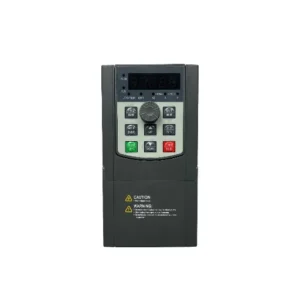
Variable frequency drives (VFDs) are highly cost-effective, as they significantly reduce electricity consumption in motor-operated systems. VFDs, by providing precise control of the motor’s speed and power, can minimize energy consumption, leading to electricity bill savings of up to 50% in certain situations. Besides, they reduce wear and tear on machines, thereby decreasing maintenance costs and extending the machines’ lifespan. All these benefits add up to make VFDs a very affordable solution for industries that want to improve their operations and, at the same time, manage costs well.
The VFD Energy Savings Calculator, in conjunction with the most current data available via a search engine, becomes a priceless tool for estimating energy savings and cost reductions. By using the latest energy rates and precise load profiles from industry reports, users can provide parameters in real time to accurately calculate potential savings.
For instance, if one inputs information such as the motor’s horsepower, operating hours, and energy costs, the calculator will clearly show the energy and cost savings achievable with a VFD in your facility. The adoption of this tool, combined with the support from trustworthy data sources, allows industries to do the right thing and thus optimize energy use and enhance operational efficiency.
Let’s say a manufacturing plant operates a 50 hp motor for 10 hours per day, Monday through Saturday, and has an energy cost of $0.12 per kWh.
This is a case where the application of a combination of real-time data feeding and energy-saving technologies has unlocked significant cost-saving potential for the industry. Firms that rely on advanced algorithms and accurate data for their operations can not only significantly reduce costs but also play a crucial role in the energy-saving movement.
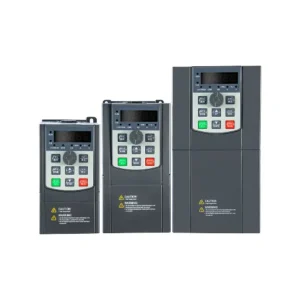
The use of Variable Frequency Drives (VFDs) is a significant step toward environmental sustainability. VFDs that adjust motor power use help reduce overall electricity consumption, thereby lowering carbon dioxide emissions from power plants. Wasting less energy means industries that use VFDs will have smaller carbon footprints.
Moreover, VFDs extend equipment life by reducing wear and tear, thereby reducing the need to manufacture and dispose of machinery, which in turn lowers environmental impact. All in all, VFDs are a key factor in achieving energy efficiency and reducing the adverse environmental effects of industrial activities.
The use of Variable Frequency Drives (VFDs) is a highly effective way to achieve energy savings across various industrial sectors. The latest and most reliable data indicate that, in the right applications, employing VFDs can reduce energy consumption by up to 50%. The most common applications of this technology are motor systems, namely pumps, fans, and conveyors. These systems usually run at a constant speed regardless of load, resulting in wasted energy when full power is not needed. VFDs can adjust motor speed in real time to meet demand, eliminating inefficiencies and saving significant money.
For environmentally friendly industries, this installation reduces electricity consumption, yields long-term savings, and decreases reliance on non-renewable energy sources. When this technology is used alongside advances in control and integration capabilities, VFDs are a fundamental part of the process towards more environmentally friendly industrial practice.
The use of Variable Frequency Drives (VFDs) is a wise choice for industries seeking to support sustainability measures. Digging into the most recent figures reveals that in HVAC systems, water pumping, and industrial machinery, VFDs can reduce power consumption by 30-50%. As a result, less fossil fuel will be used, carbon dioxide emissions into the atmosphere will be reduced, and natural resource management will be improved.
VFDs prevent motors from running faster than necessary, so there is no wasted power, and operations run at peak efficiency. This not only supports the global climate goals but also shows how innovative technology can deliver tangible benefits to energy-intensive industries.
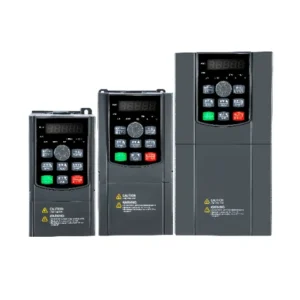
Confirm that the existing motor and system components are compatible with VFD technology to avoid operational issues. Check for voltage, power capacity, and control requirements.
Work with qualified professionals to ensure the VFD is correctly installed and configured. Proper installation reduces the risks of malfunction or inefficiency.
Program the VFD with settings tailored to your specific operational needs. Adjust speed parameters and load requirements to maximize energy savings and performance.
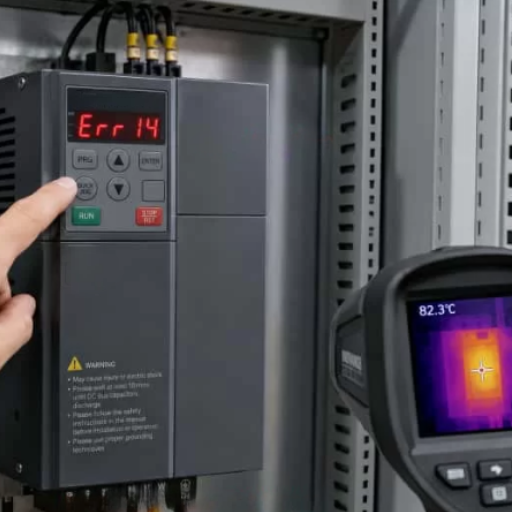
VFDs can generate heat during operation. Implement proper ventilation or cooling systems to maintain optimal performance and extend equipment lifespan.
Conduct routine inspections and maintenance to identify potential issues early. Keep firmware up to date and monitor system performance to ensure ongoing efficiency.
When needed, use line reactors or harmonic filters to reduce the impact of harmonics and other electrical disturbances on the system and the power grid.
Regular maintenance of the system is essential to ensuring it runs efficiently and extends its lifespan. Prioritize regularly inspecting parts for wear and tear, cleaning the airways to prevent overheating, and checking for loose connections. Among routine maintenance activities are oiling of the moving parts and listening to the system performance for any unusual sounds or vibrations. By staying ahead of the maintenance curve, you can ensure reliable, efficient long-term operation.
Here are five professional and authoritative sources related to “VFD energy savings” that you can use to verify the information in this article:
Discusses how VFDs reduce speed and electrical power, achieving energy savings and reducing wear.
Explains how VFDs control voltage and frequency to save energy by matching air volume to demand.
Focuses on energy efficiency improvements in VFD-motor-pump/fan systems.
Highlights the energy savings achievable with VFDs on variable- or constant-torque loads.
Discusses significant energy savings from VFDs in motor-driven processes with varying power demand.
A Variable Frequency Drive (VFD) is an electronic device that controls the speed and torque of an electric motor by varying the frequency and voltage supplied to the motor. VFDs enable precise speed control, which is essential for applications that require variable-speed operation.
Using a VFD enables energy savings by adjusting motor speed in response to demand. By controlling the motor speed and torque, VFDs can significantly reduce energy consumption, especially in systems with variable-torque loads, such as fans and pumps.
VFDs can be used with various types of motors, including AC induction motors and DC motors. They are particularly effective with electric motors that require adjustable-speed operation, thereby improving energy efficiency.
Yes, VFDs can effectively control the speed of an induction motor by adjusting the frequency and voltage supplied to it. This capability enables precise speed and torque control, resulting in significant energy savings.
Reducing motor speed with a VFD can yield substantial energy savings, especially in applications where full speed is not required. This reduction minimizes energy loss and decreases the stress on the motor, extending its lifespan and improving overall efficiency.
By providing variable-speed control, VFDs enable better process control across various industrial applications. They allow precise adjustments to the motor’s speed and torque, improving productivity and energy efficiency.
Using variable-frequency drives can result in significant energy savings, typically 20% to 50%, depending on the application. By optimizing the power supplied to the motor and reducing excess energy consumption, VFDs contribute to lower operational costs.
While VFDs offer substantial benefits, they can also introduce issues such as power system harmonics and potential overheating if not properly configured. It is essential to consider these factors when implementing VFD technology in any application.
The voltage and frequency supplied to the motor directly affect its performance. VFDs allow for the adjustment of these parameters, ensuring that the motor operates efficiently at various speeds and loads, ultimately leading to improved energy savings.