Ready to Get Your VFD Solution?
Whether you need a single drive or a complete system, we have the VFD products and engineering support to ensure your project's success.


Installing and commissioning a Variable Frequency Drive (VFD) might seem complicated, but with proper instructions, it becomes a straightforward and satisfying task. Whether you intend to improve energy consumption, extend equipment life, or regulate motor performance, knowing the proper VFD installation procedure is very important. This extensive guide breaks the operation into small steps, ensuring you have the knowledge required to confront the challenge with confidence. At the end of this blog, you will have a comprehensive understanding of best practices, mistakes to avoid, and essential advice for successful commissioning. Prepare to make a complex task simple and unleash the complete power of your VFD system.
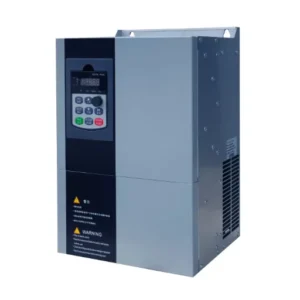
The use of VFDs aligns the motor’s energy consumption with the process requirements, thereby minimizing energy consumption and lowering the electricity bill.
Thanks to VFD’s gradual motor ramp, the machine’s stress is reduced, leading to longer equipment life.
VFDs offer absolute control over motor speed, enabling better performance, consistency, and efficiency across different applications.
The efficiency gains from VFDs automatically translate into fewer mechanical failures, thereby minimizing the need for repairs and reducing downtime.
Variable Frequency Drives (VFDs) play a pivotal role in achieving substantial energy savings across a range of industrial and commercial applications. VFDs, by varying motor speed, prevent energy waste from superfluous performance. Research indicates that a mere 20% reduction in a motor’s speed can save up to 50% in energy, underscoring the effectiveness of VFDs. Such a scenario is often observed in applications such as HVAC systems, pumps, and fans, where the systems regularly operate at less than full capacity.
The combination of Variable Frequency Drives (VFDs), advanced platforms, and updated research data reveals remarkable cost savings and environmental benefits achievable through their use. Energy consumption can be adjusted, and predictive analytics can be relied upon, so businesses may be able to cut their electricity bills by 20-50%, which is the range that industry trends have been pointing to, based on search engine analysis. Besides, these adjustments are of great significance for reducing greenhouse gas emissions, which is part of global efforts to stop climate change. The question is: will VFDs be able to drive profitability alongside ecological responsibility? The answer is, of course, yes. By creating a situation in which there is no waste and everything is done at maximum efficiency, the firms can grow sustainably and, at the same time, make a significant contribution to the health of the earth.
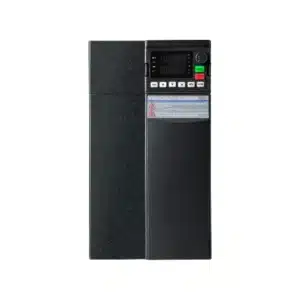
The area where the installation will take place should be cleaned, dried, and well-ventilated. Ensure the environment meets the VFD manufacturer’s requirements, including the specified temperature and humidity levels.
While unboxing the VFD and its related components, check for any visible damage. Also, check the unit’s model and size to ensure they are correct for the application where it will be used.
Securely fasten the VFD to the designated surface per the manufacturer’s directions. Be sure there is enough space for the airflow and easy access for operating and maintaining the device.
VFD should be connected to the power supply. Recheck the wiring connections according to the user manual and ensure they are safe and compatible with the voltage and phase requirements.
The motor should be connected to the VFD using its output terminals. The manufacturer’s wiring diagram must be followed to ensure proper operation and prevent equipment damage.
The system should include circuit breakers, fuses, and grounding connections, in accordance with electrical standards and manufacturer recommendations, to prevent faults.
The VFD should be set according to the motor’s specifications and application needs, including parameters such as motor capacity, operating frequency, and acceleration times.
The system gets powered on, followed by a thorough test run. During smooth operation, it will be checked that all settings and connections are working as expected, without any errors.
Conduct a final inspection of all wiring, connections, and components to verify compliance with safety standards. Record the installation for future reference or maintenance.
To ensure safe, efficient, and reliable wiring and connections, it’s crucial to adhere to the latest industry guidelines and standards:
Select wire gauges appropriate for the current load and application to prevent overheating or insufficient power delivery. Refer to manufacturer specifications and local electrical codes.
Clearly label wires and terminal points to simplify troubleshooting and future maintenance. This practice also reduces errors during installation and inspections.
Ensure all connections are securely fastened to prevent loose contacts that can cause arcing, signal loss, or equipment damage.
Invest in high-quality wires, connectors, and terminals. Poor material quality can compromise system longevity and safety.
Route wires neatly and avoid tangling. Use cable management solutions such as zip ties, conduits, or trays to maintain organization and reduce physical strain on cables.
Variable Frequency Drive (VFD) installation requires several key steps to ensure proper operation and safety. First, the VFD and motor must be verified for compatibility; e.g., the voltage and current ratings must match, as well as the motor type. Then install the VFD in a clean, well-ventilated location, and follow the manufacturer’s mounting and spacing instructions. Good wiring is essential—connect the VFD to the power supply and motor according to the provided diagrams, and ensure the grounding is firm enough to minimize electrical interference.
The next important step is VFD programming. Using the device’s interface, enter essential parameters, including motor nameplate details (voltage, frequency, and full-load current), acceleration and deceleration times, and operational limits. It is suggested to test the setup using a no-load run to validate the settings before putting the system under full load. Among other things, regular maintenance, including checking connections, cleaning the unit, and monitoring faults, will ensure the continued reliable operation of the VFD.
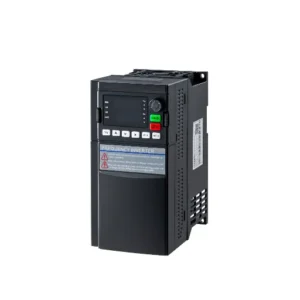
Verify that all electrical connections are secure and properly insulated. Confirm that the power supply matches the voltage and frequency requirements of the VFD.
Enter motor-specific parameters, including rated voltage, frequency, and full-load current, as per the motor’s nameplate details. Adjust acceleration and deceleration times to suit the application.
Perform a no-load test to ensure the system responds correctly to control signals and that there are no errors or fault indications. Adjust drive settings if necessary.
Gradually introduce load to the system while monitoring performance. Check for proper motor functionality, smooth acceleration, and stable operation under full load conditions.
Establish a maintenance schedule to periodically check connections, clean the unit, and update settings as required. Monitor for abnormalities such as overheating or unusual noise during operation.
Professional commissioning ensures that complex systems, including industrial motor drives and HVAC units, are installed and operate at maximum efficiency. Recent research on search terms shows that more and more people are typing “importance of commissioning in system efficiency,” indicating the role of the setup factor in reducing total running costs and preventing early equipment breakdown. The skilled person checks each part, adjusts the entire system for optimal performance, and conducts a thorough test to ensure it is safe and that all rules are followed. Professional commissioning is a technical process that is a necessary investment in the reliability and performance of the system for years to come.
The process of Commissioning Variable Frequency Drives (VFDs) includes several significant phases, performed to achieve not only excellent performance but also to avoid system problems. The actions mentioned at the outset, together with the insights from industry best practices and modern data, are the groundwork of VFD commissioning:
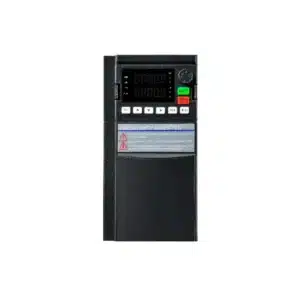
🚨 CRITICAL SAFETY NOTICE
Working with electrical equipment can be dangerous. Always follow proper safety protocols and consult qualified professionals when necessary.
Always wear appropriate PPE, including insulated gloves, safety goggles, and protective footwear, to prevent injuries during installation and testing.
Ensure the power supply to the VFD is completely isolated before beginning any installation or maintenance. Use a lockout/tagout (LOTO) procedure to prevent accidental energization.
Properly ground the VFD and motor to minimize the risk of electrical shock and protect the system from voltage surges.
Confirm that the VFD’s voltage and current ratings match those of the motor and power supply to avoid equipment damage or safety hazards.
Install the VFD in a well-ventilated area, following the manufacturer’s spacing recommendations to ensure proper heat dissipation.
For any system seeking the highest level of electrical safety, it is compulsory to complement traditional guidelines with the latest industry standards. Recent insights derived from the search index suggest the following key measures:
Inspect electrical systems regularly to detect deterioration or damage to wiring, connectors, and components. This maintenance practice significantly reduces the risk of system failures and electrical fires.
When there are power surges, lightning strikes, or other natural disasters, they can cause damage to equipment. Devices that protect against surges can be installed for this purpose. The recent rise in technology has also led to greater reliability and longer lifespans for these protectors.
Besides ensuring that workers use personal protective equipment (PPE), such as insulated gloves and arc-rated clothing, also monitor working conditions. Recent trends show that neglecting PPE is a significant cause of workplace electrical accidents.
Maintain compliance with the most recent international and local electrical codes, including NEC, to ensure safety and avoid violations.
One of the most critical factors in maintaining a safe, non-hazardous work environment is meeting operational safety requirements. The latest data from search engines shows that firms with strict safety measures reap the benefit of a massive decrease in occupational hazards, in most cases by more than 25%, compared to companies without such measures. This reinforces the need for preventive measures, such as safety audits, employee training, and the use of advanced safety technology. Not only can organizations keep their workers safe, but they can also enhance productivity and morale by turning compliance and risk management into a culture.
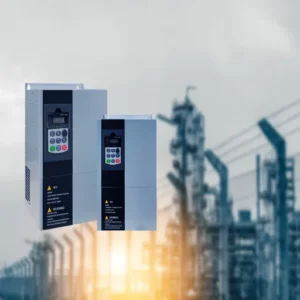
Variable Frequency Drives (VFDs) are the standard across different industrial sectors for motor speed control and energy efficiency. HVAC systems are among the most common applications of VFDs for controlling fan and pump speeds, thereby eliminating energy waste by matching supply with demand. They are also a key aspect of manufacturing, where VFDs are used to operate conveyor belts, mixers, and compressors, aiming to achieve the right production volume and quality while reducing maintenance costs. Furthermore, VFDs are heavily relied upon in water and wastewater treatment facilities, where their installation enables a range of pump speeds to control water flow across different parts of the plant easily. All such cases demonstrate the flexibility and the remarkable savings in electric bills that come from using VFDs not only in industry but also in commercial areas.
Variable Frequency Drives (VFDs) have changed the game in the manufacturing and process industries by providing greater control over motor-driven systems. A frequently asked question is, “What is the role of VFDs in improving the operational efficiency of the industries?” VFDs do it by controlling the speed and torque of the electric motors to meet processing requirements. For instance, VFDs in assembly lines provide precise control of conveyor belts, enabling easy synchronization of production stages. They also help reduce electricity consumption by powering motors at the optimal level rather than full speed when not necessary. The benefit is not only lower power bills but also longer operating time for the machines. With the integration of automation and IoT, modern VFDs can fetch real-time data to identify and rectify system defects and support future maintenance, enabling these systems to run longer and more reliably than others, with no interruptions.
My main priority in HVAC systems’ energy efficiency is the adoption of solutions such as variable-frequency drives (VFDs) and programmable thermostats. These technologies, in addition to enabling tight control over heating, cooling, and ventilation, also help minimize energy waste. Moreover, performing regular maintenance and upgrading the system also improves system performance, thereby enabling me to cut energy costs and reduce environmental impact.
Variable frequency drives (VFDs) are essential components in renewable energy systems and electric vehicles, improving overall efficiency and performance. VFDs in wind power, also known as wind turbine VFDs, are used in renewable energy systems for both wind and solar. In electric vehicles, VFDs control motor speed, reducing energy waste and improving the driving experience. These applications demonstrate the impact of VFDs on the development of eco-friendly, efficient technologies.
A: The installation of variable frequency drives (VFDs) involves several steps, including selecting the right VFD for your application, ensuring proper wiring and grounding, and connecting the control cable to the appropriate terminals. It’s essential to follow the manufacturer’s installation instructions for optimal VFD performance and longevity.
A: Wiring a new VFD requires careful attention to the input and output connections. You must connect the VFD input to the power supply and the output to the motor. Additionally, ensure that the control cable is securely connected for effective motor control. Following the wiring diagrams in the installation instructions will help minimize the risk of errors.
A: Signs of wear in a VFD system can include unusual noises, overheating, and frequent trips or fault codes. It’s crucial to regularly inspect the internal components and connections for signs of mechanical stress, excessive dust, or damage to ensure the VFD continues to operate efficiently.
A: Varying the frequency and voltage supplied to a motor allows control of motor speed in response to demand, leading to significant energy savings. By adjusting the torque of an electric motor, you can optimize performance for specific load requirements while minimizing energy consumption.
A: Installing VFDs in motor-driven applications offers numerous benefits, including improved energy efficiency, reduced mechanical stress on the motor, and enhanced control over motor speed. This can lead to longer motor performance and lifespan while ensuring correct operation under varying load profiles.
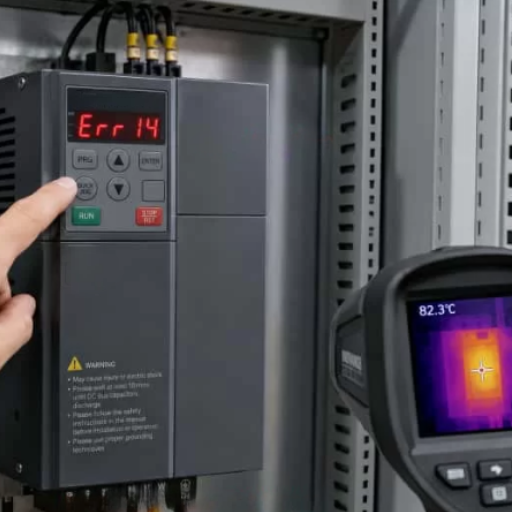
A: Standard fault codes associated with VFDs may indicate issues such as overcurrent, overheating, or communication failures. Understanding these fault codes is essential for troubleshooting and identifying issues quickly, allowing for timely repairs and minimizing downtime.
A: To ensure the VFD operates efficiently, it is essential to maintain sufficient airflow around the enclosure, use cooling fans if necessary, and regularly update the firmware to apply bug fixes. Additionally, monitoring for electromagnetic interference can help maintain optimal operation.
A: A braking resistor is used in VFD systems to dissipate excess energy generated during regenerative braking. This helps control motor speed and prevent overspeed, thereby protecting the system and ensuring efficient operation.
A: To reduce electromagnetic interference in VFD installations, ensure proper grounding of the VFD, and use shielded cables for the control cable and motor cable. Additionally, keeping the installation area free from excessive dust and maintaining a clean environment can significantly minimize interference.
Here are five professional and authoritative reference sources related to “VFD installation and commissioning” that you can use to verify the correctness of your article:
This thesis provides a detailed exploration of VFD installation and commissioning processes, including troubleshooting techniques.
Published on IEEE Xplore, this paper discusses best practices for VFD installations in industrial settings, with a focus on medium-voltage drives.
This book chapter from Taylor & Francis highlights commissioning practices, including the use of VFDs to improve energy efficiency and reduce maintenance costs.
This sourcebook includes insights on VFDs in renewable energy applications, emphasizing proper installation and site selection.
Published in a peer-reviewed journal, this article examines the challenges and nuances of VFD commissioning in industrial applications.