Ready to Get Your VFD Solution?
Whether you need a single drive or a complete system, we have the VFD products and engineering support to ensure your project's success.

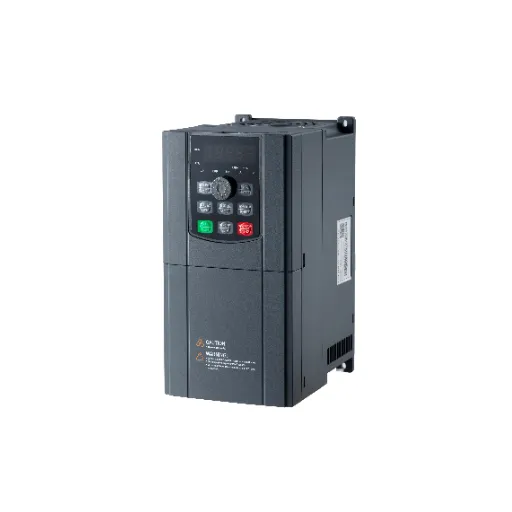
Efficiency and cost management are essential factors to consider in industrial machinery and motor-driven systems. One of the significant decisions manufacturers face is whether to use VFDs or fixed-speed drives. The choice can determine and affect the use of electrical energy, operational productivity, and overall costs in the long run. Nevertheless, the question arises as to what the differences are between the two technologies and which one suits best your specific application? This guide will outline the main differences, assess the implications for performance and costs, and offer tips to help you make a well-informed decision.
Variable-frequency drives (VFDs) and fixed-speed systems are among the main motor drive technologies, each serving different functions. VFDs regulate the motor’s speed and torque very accurately by varying the frequency and voltage that are supplied to it. Such flexibility leads to better energy efficiency, reduced mechanical strain, and greater adaptability in applications that require variable speeds. On the other hand, fixed-speed systems run motors at unvarying speeds, providing simplicity and dependability, with less hardware and lower initial investments. The selection of these technologies is dictated by the needs of the operation, energy factors, and financial limitations.
A fixed-speed drive, or direct-on-line (DOL) drive, or single-speed drive, is a system that keeps an electric motor running at a constant speed once it is turned on. Fixed-speed drives are simple, highly reliable methods for controlling the power delivered to motors, maintaining a steady level.
They are usually used in processes where motor speed must be constant, such as pumps, fans, and conveyors operating under uniform conditions. The total installation cost of a fixed-speed drive is usually much lower than that of a variable-speed drive. Also, the simpler construction often means lower operational and maintenance costs.
Downside: Not the most economical in terms of power consumption, as they are always running at the load’s maximum requirement.
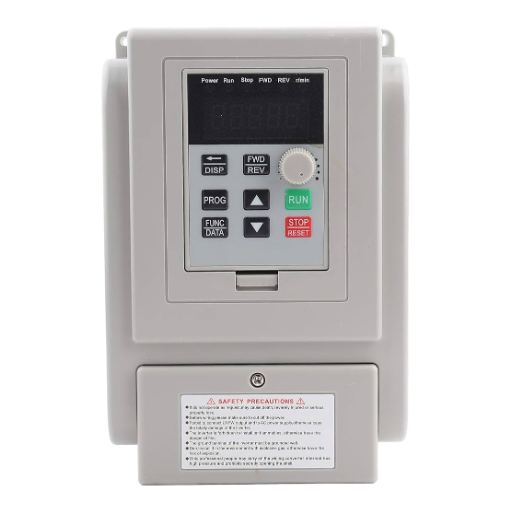
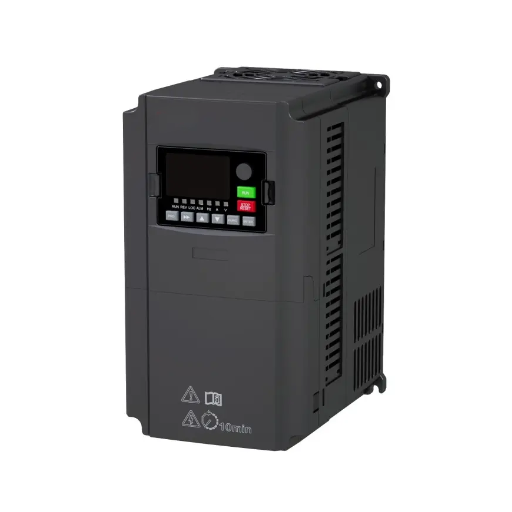
A Variable Frequency Drive (VFD) is an electronic device that, by controlling the frequency and voltage of the power supplied to the motor, alters its speed and torque. VFDs consume less energy while increasing operational flexibility by matching the motor’s speed to the specific needs of the application.
These drives are widely used across industries, especially in HVAC systems, industrial machinery, and production lines, where variable speed is crucial. VFDs are not only energy-efficient but also reduce equipment aging rates, thereby increasing overall system reliability and decreasing maintenance costs.
Advantage: Modern VFDs feature integration with intelligent systems, predictive maintenance, and advanced safety protocols.
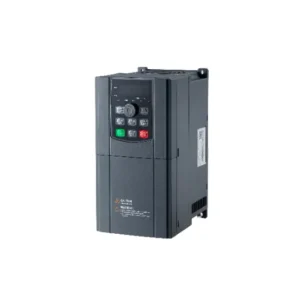
Key Insight: Variable Frequency Drives (VFDs) are significantly more energy-efficient than fixed speed drives. VFDs not only operate at a constant speed as in fixed-speed drives but also vary the motor’s speed to match the specific load, thereby significantly reducing motor power consumption—an essential factor in applications with fluctuating loads, such as fans, pumps, and compressors.
VFDs are energy-saving devices that consume less power while also supporting the trend of making eco-friendly practices more widely accepted. Recent developments indicate that VFDs have been increasingly adopted across various sectors over the last decade, as issues of efficiency and environmental protection have gained greater attention.
Fixed-speed drives operate at a constant speed regardless of the system’s demand. This leads to an energy-inefficient situation in which the system usually draws more power than needed.
Critical Statistic: Fixed-speed drives can be up to 60-80% more energy-intensive than variable-frequency drive (VFD) units in applications where load requirements vary.
The inability of these machines to dynamically adjust their speed is what wastes energy in the first place, leading to higher operating costs and greater equipment wear and tear. Switching from fixed-speed to variable-speed systems can be seen as an essential step towards meeting modern energy-efficiency goals with lower overall operating impacts.
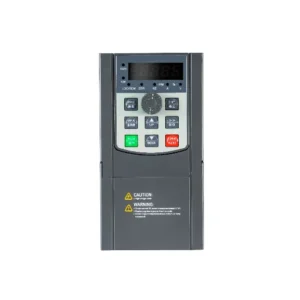
Variable Frequency Drives (VFDs) and fixed-speed drives differ mainly in how they regulate motor speed. VFDs provide motor speeds that are regulated to the exact degree; therefore, performance optimization is based on the specific process requirements. This results in higher energy efficiency and greater application versatility, particularly when variable speeds are required.
Variable Frequency Drives (VFDs) have become widespread because they can precisely control motor speed and torque. By combining various algorithms with real-time data, VFDs not only enhance the overall system performance but also reduce energy use and system costs.
Recent trends indicate considerable, growing interest in energy-efficient solutions, with VFDs often identified as the main component for modern industries aiming to meet their sustainability targets. This is a continuation of the larger trend towards the development of innovative, flexible systems that can control their environmental impact while still performing at the highest level.
The question of whether VFDs are the best option for dynamic applications is answered with a resounding yes, given their numerous advantages: high performance, lower costs, and reduced environmental impact.
Fixed-speed drives, while more straightforward and cheaper to install, have inherent limitations compared with more advanced solutions such as variable-frequency drives (VFDs).
Industry Concern: Recent surveys reveal that one of the main concerns of industries seeking to cut operational costs and carbon footprints is energy consumption. Fixed-speed drives cannot play a significant role in this direction due to their inflexible performance characteristics.
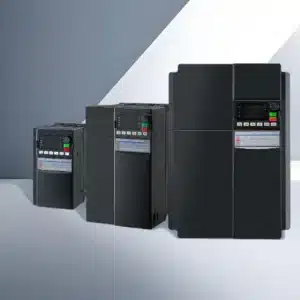
Variable Frequency Drives (VFDs) maintain the mechanics and lifespan of the entire system better than fixed-speed drives. VFDs adjust motor speed to meet system demands, reducing mechanical strain on parts and wear. This, in turn, results in lower maintenance requirements and a longer operational life for equipment.
VFDs are a significant factor in reducing maintenance needs due to their energy-saving and wear-minimizing features. They control motor speed with great precision, thereby reducing stress on system components such as belts, bearings, and shafts.
Mechanical wear in fixed-speed systems remains a serious concern for industries that depend on traditional motors. These systems run at a fixed speed regardless of load, thereby causing excessive wear and tear on components such as bearings, belts, and gears.
Industry Trend: Recent statistics indicate a dramatic increase in searches for “reducing mechanical wear in fixed speed systems” and “motor efficiency solutions,” showing greater recognition and demand for replacements. The solution is to use variable-speed drives (VSDs) or soft starters, which allow the motor to run at speeds tailored to the operation’s needs.
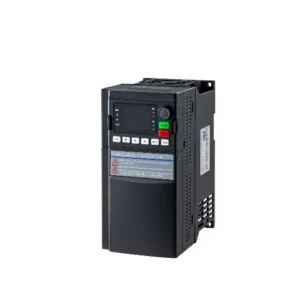
Technological progress in the area of drives has recently focused on improving energy efficiency, reliability, and ease of integration. Among the innovations, smart drives with IoT capabilities lead the way, as they not only facilitate real-time monitoring but also enable predictive maintenance. The data analytics these systems use help reduce downtime by optimizing motor performance.
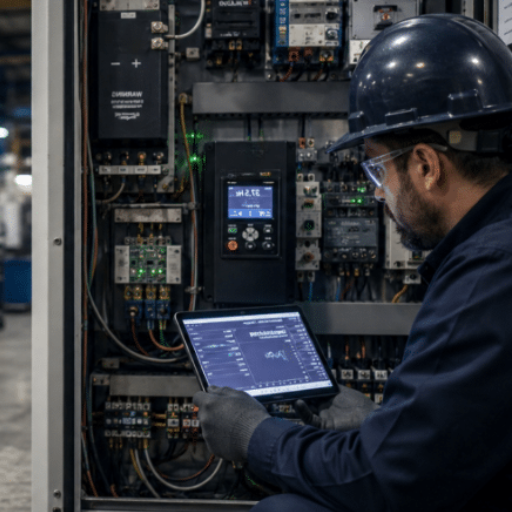
Incorporating the Internet of Things (IoT) into Variable Frequency Drives (VFDs) is one of the most significant breakthroughs in motor control technology. The combination of VFDs with IoT improves communication and data transmission for machine performance, enabling predictive maintenance and reducing unplanned downtime.
IoT integration is gradually making industrial systems more interconnected and responsive, setting new standards in motor control technology.
Smart drives are critical in automation, as they provide precise control over motor operations and increase the overall system efficiency. Their proficiency in integrating with IoT systems enables real-time monitoring and effortless data exchange among machines, making processes smoother and minimizing downtime.
These modern drives not only increase productivity but also help save energy, making them an indispensable part of the present-day automated environment.
Here are five professional and authoritative sources that verify the information in this article: