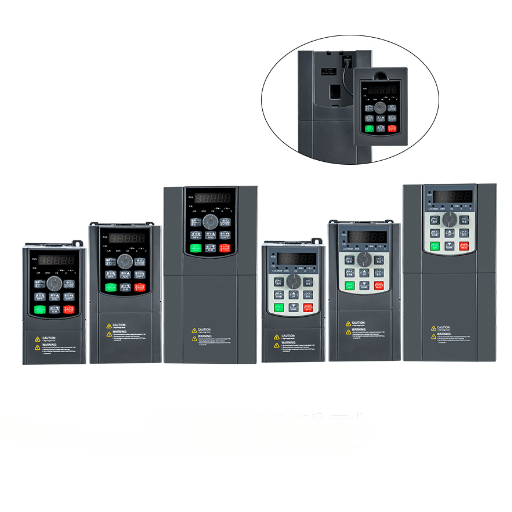
Ready to Get Your VFD Solution?
Whether you need a single drive or a complete system, we have the VFD products and engineering support to ensure your project's success.


Industrial activities as well as electrically powered machinery demand precise control to sustain the effective, reliable, and long-lasting use of devices. There still exists a major rivalry between Variable Frequency Drives (VFDs) and Soft Starters, when it comes to the field of motor control, in the present situation, whether these technologies are the most widely used or not. Each of the two has unique advantages to offer, but they are not the same, and in order to achieve the best performance and cost-effectiveness, one must know the most appropriate time to go for one or the other. This content is going to help you arrive at your decision, by presenting the technological differences, practical functionality, and instances of use that are considered suitable for each of the technologies. Whether you want to decrease energy consumption, avoid overloading the motor, or get full control of your motor applications, this manual will give you all the information required, thereby enabling you to make the best decision in the field of motor control.

Soft starters are basically electronic devices that temper the initial acceleration of an electric motor by supplying voltage progressively. In that way, the starting current is lessened and mechanical tension in the motor and the other stuff linked to it is also, avoided, or at least greatly reduced. They are usually put to use in that type of equipment where cutting down wear and tear, reducing torque at the moment of starting, and making the motor run as smoothly as possible are very important. Soft starters make an ideal pair with systems that need to be switched on and off frequently and yet without any variation in their speed during the operation.
Variable Frequency Drives (VFDs) are electronic devices that give very precise control over the motor’s speed and torque by changing the frequency and voltage of the power supply. They make a very notable difference compared to soft starters in that they offer the advantage of speed adjustment even when the system is live and this feature makes them suitable for the kind of situations where it is very important to have maximum operational flexibility and energy conservation. Usual applications would be loads that change in time like conveyor systems, pumps, and fans where a varying load is a permanent situation.
A soft starter is a device that is connected to an electrical circuit and is used to provide the minimum power required to start a motor or engine running smoothly, without any damage to the system. It gradually increases the voltage and the power supplied to the motor, thus ensuring a slow and controlled rise to full speed, which results in reduced wear and tear of the motor and the linked products as well. Soft starters are very much needed in applications where there is less electrical load like pumps, compressors, and conveyor belts. Soft starters are usually installed in higher power plants and industries, where the motors and other electrical and mechanical systems are subjected to severe constraints at start-up.
Unlike variable frequency drives (VFDs), soft starters cannot control the motor speed during operation although they can be used for constant-speed applications. The modern technology of soft starters has resulted in the enhancement of power efficiency, protective devices, and emergency shutdown systems for better performance, thus making the soft starter system a cost-effective solution in various industrial and commercial scenarios.
A Variable Frequency Drive (VFD) is a state-of-the-art electronic machine which is used to manage the pace and torque of an electric motor by changing the motor’s input frequency and voltage. VFDs find their way in a wide range of industrial and commercial applications where energy efficiency should be optimized, motor performance should be improved, and equipment life should be extended. By being able to very accurately tune the motor speed, VFDs can bring about significant cuts in energy consumption particularly in systems like pumps, fans, and HVAC units which do not have to run at full-speed all the time. Moreover, the latest VFDs generally come with built-in characteristics like system health monitoring in real time, predictive maintenance ability, and network connectivity, which allow them to be integrated into the automated industrial systems without any problems. These characteristics turn VFDs into a must-have product in sectors where the requirements include very dynamic control, high process flexibility, and low operational costs.
Soft starters and VFDs or variable frequency drives operate through power control which is supplied to an electric motor, but they do this in ways that are not the same but adapted to specific applications.
Soft starters are the ones that gradually increase the voltage which is supplied to the motor, and in this way result in a very smooth increase in speed. This results in almost no mechanical stress and very little inrush current during start-up, so that the soft-start is an ideal solution for the limited control over motor speed required in the majority of the applications like pumps or compressors.
VFDs, in contrast, give perfect control over both motor speed and torque by means of adjusting the frequency and the voltage parameters of the input. This provides for the ability to make dynamic performance changes while the machine is running, which is very important in case the application requires the use of variable speed, such as in case of conveyors or fans. Besides, VFDs also reduce the energy use as well as make the overall system efficiency higher.
During the start-up process, the soft starters are designed to increase the voltage on the motor in increments. Consequently, this will significantly lower the flow of current at the moment when the motor becomes fully active, and the other effect will be less strain on the motor parts’ mechanical aspects. Normally, silicon-controlled rectifiers (SCRs) present in the power circuit are used to gradually increase the voltage. What they do is to adjust the supply voltage through the phase angle control. Soft starters, by means of the first-time-acceleration voltages, control the way the voltages are distributed and thus reduce torque delivery, so the wear and tear on both the motor and the driven equipment is greatly reduced.
Modern soft starters also offer more, besides the current industrialization level; for instance, they can be programmed to start at the prescribed frequency and the same with stopping, monitor the current, and include protection. One such equipment is the variant with overload protection and under-voltage detection which can protect the motor from damage and also guarantee a successful running by means of the electrical supply’s adequacy. The intelligent systems ease the way for soft starters to be the choice for moderate applications like pumps and where necessary the acceleration and deceleration should be smooth to prevent water hammer.
In the process of controlling the speed and torque of an electric motor, Variable Frequency Drives (VFDs) play a critical role by modifying the input power supply, thus the frequency and voltage, to the motor. The AC power that enters the VFD is at first converted into DC power using a rectifier circuit. Usually, this DC power is sent to a DC bus, where the addition of capacitors or inductors is the typical way of making the supply voltage stable for the next stage. The conversion of the DC power back to AC at the right frequency and voltage is carried out by the VFD inverter employing insulated-gate bipolar transistors (IGBTs) or similar switching components.
Variable frequency drives (VFDs) carry out precise control of the motor output through the help of pulse-width modulation (PWM) methods which deal with the waveform’s shape and time of AC. The possibility of this makes the energy usage all-time low in the case of automatic load-changing speed process where conveyors, fans, and compressors are employed. Advanced VFDs are also installed with smart algorithms and sensors that constantly keep an eye on system variables, improve power consumption, and provide the most accurate feedback to the controller for on-the-fly corrections. These concepts are not only for reducing energy but also for providing motor protection at a higher level and thus extending the whole system’s life.

Soft starters and VFDs are two technologies that are used in industrial applications to control electrical motors and reduce operational costs. VDSs consume less electricity and make the machine last longer. They do so by making the machine operate at a lower initial current, and they do it smoothly. Thus, by having an electric protective role on the machine during its life, they do not manage energy consumption once the motor reaches the average speed. Hence, their efficiency is limited to the starting phase.
On the other hand, VFDs regulate the motor’s speed and torque during its operation by making use of modern electronic techniques. They can vary the energy consumed by the load according to the real-time demand thus making VFDs very efficient and giving them the title of “the best” in cases when different operating speeds are required. The energy efficiency of a VFD for a system with the load and speed being at fixed levels can be considered to be less of an advantage as compared to operational flexibility and wear-
Soft starters primarily help in energy-saving when the application has just started, as at that time they reduce the starting current and relieve the mechanical strain on machinery. Soft starters are not like variable frequency drives (VFDs) which can provide control over the speed of the motor but they rather have been optimized to have a smooth start-up to the operation. The gradual mode of acceleration through a soft starter helps to minimize energy peaks and in the same time to prolong the life of motors and systems which are connected, thereby preventing the peak of wear and tear.
Nevertheless, after the motor attains its full speed, it is generally the case that soft starters cannot provide any further energy savings in continuous operation as they do not control the power consumption actively. The main area where they achieve the most is where there is a need for frequent starts and stops, such as in the case of conveyors or pumps. According to very recent research and engineering practices, the diminished usage of soft starters can play its part in saving energy by way of reducing the unnecessary mechanical losses and minimizing the overall requirements of the system being maintained. So, they are not so amply powered as VFDs in a dynamic load situation, yet they are a good value for fixed-speed applications seeking more longevity and efficiency in starting up at the same time.
With the use of Variable Frequency Drives (VFDs) the energy efficiency is largely improved as they can match the motor speed exactly to the load requirements hence avoiding the energy consumption that is not necessary. The VFDs are capable of reducing the electric and mechanical losses totally and this is where the energy savings can be as high as 30-50% in a few applications such as HVAC systems, industrial plants, and sewage treatment units. Besides, the VFDs are very good in power factor correction and as a result, they help to cut down on the electricity bill and improve the overall performance of the system.
The advanced algorithms and sensors that are provided with some of the modern VFDs will make it possible for us to have real-time alterations to the motor’s speed and torque for the best efficiency. This electrical appliance convenience will ensure that the systems operate within the most efficient range, hence minimizing energy wastage and, consequently, the running expenses. It can also be stated that case studies in the manufacturing and processing industries promote the use of VFDs when they replace the conventional motor control systems, since they lead to remarkable decreases in CO2 emissions, increasing the sustainable operation of the processes.
Soft starters and VFDs notably contribute to the performance advantages of a motor by regulating various motor functions such as the startup at ‘no-load’ to full load. To be more specific, soft starters are the ones which are made to this end: they minimize the rough starts and thus incur less harm and longer life on the processes of the motor and the interlinking apparatus. Also, one of the advantages of such a controlled acceleration is that it takes away the suddenness in the torque being developed and that is where, for example, we have conveyor belts, pumps, and compressors as the perfect examples of the application of this technology.
VFDs, on the other hand, represent the highest level of control attainable through variation of frequency and voltage to the motor, hence allowing very fine speed and torque management. Such a capability inherently makes VFDs particularly good for use in situations where varied speeds are required, just like those seen in HVAC systems, robotics, or machines on production lines. Research evidence has it that the energy efficiency of a motor with a VFD can go up by approximately 30% under different load conditions, which means the equipment will be more durable and there will be a marked reduction in power consumption. By the same token, the inclusions of soft starters and VFDs in the motor control system not only improve the system performance but also aligns the system with the major objective of energy savings and less operational downtime.

Soft starters are widely used in manufacturing environments and protect important equipment. They help to minimize the inrush currents to the motor and thus create a controlled start which further leads to a decrease in the stress on the equipment and electrical disturbances that can be caused by them. This is particularly the case in plants where machines operate with high capacities and undergo frequent start-stop cycles. For example, conveyor systems are a common application where soft starters are used for a controlled smooth acceleration and deceleration processes, decrease of wear and tear on mechanical parts, and extension of machinery life.
Therefore, it is a promising technology that should not be ignored, as it can provide a highly efficient motor startup with reduced energy wastage. The energy-saving of the softer starter is also in line with the directives of the sustainable manufacturing movements and the cost-cutting endeavours. The presented examples from the industry have shown that a moderate reduction in overall maintenance spending and motor-related downtime has been the direct result of the softer-start approach. Besides these cost-saving benefits, soft starters have also been accepted as proactive tools to control the faultless operation of the production and adhere to the standards in the industry.
The modern HVAC systems absolutely depend on the Variable Frequency Drives (VFDs) as they are the main reason for the increased energy efficiency, reduced operational costs, and improved system performance. The motors driven by VFDs can always run at the exact required speed because they adjust the speed to the load at any given moment rather than the traditional way of motor speed setting. This is particularly useful in fan and pump applications where the energy consumption can be cut radically just by lowering the motor speed to one-third the original. Just a small decrease in turning the motor can cause significant savings on the electricity bill itself.
Recent industry data shows us that the merging of VFDs in HVAC systems can bring about energy savings of 30-50% maximum, of course, according to some factors such as load, motor size, and usage. In addition to that, the VFD technology is a warranty for a longer lifespan of the equipment as well because it is mainly the mechanical wear and tear that is minimized due to the starting methods and speeds being reduced. The ability of VFDs to control the speed precisely also increases occupant comfort due to the fact that the indoor temperatures and humidity levels are kept more or less the same, making the occupants less stressed.
The blending of soft starters and VFDs in heavy-duty applications is a solid answer, in a way that, at the same time, it will lead to better performance of the machines, it will also proactively reduce and cut down the stress which is a result of the mechanical operation. Soft starters play an important role in limiting the start-up current by increasing the voltage gradually, and therefore the wear and tear on motors as well as the connected equipment is kept to a minimum. Especially, this is one of the biggest advantages in applications that are heavy-duty because the unexpected power surges can either cause a major mechanical stress or even failures.
VFDs, with hold benefits and exact control over the speed of processing and the torque, are the best source that allows the consumers to change the characteristics of the machinery in accordance with the operational requirements of each specific situation. Corresponding to that, there is a continuous improvement in the efficiency of energy use since the motors that work only one speed below the full-load capacity are one of the processes that spend the most power. The detailed reports from heavy machinery businesses, which have applied VFDs to the full extent, imply that there can be as much as 50% energy saving depending on the type and profile of the job.
Working together, soft starters and VFDs reduce motor wear during the starting period, extend the operational life of mechanical components, and decrease energy use, which makes them an impact-making blend for heavy duty equipment needs of sectors like mining, manufacturing, and construction. By the same token, the two are in compliance with the modern principles of both an eco-friendly and energy-efficient industrial facility operation system and at the same time are still saving a great deal of the total maintenance costs.

The decision between using a soft starter or a variable frequency drive (VFD) mainly relies on the requirements of the specific application. Soft starters are the ideal match for the applications in which the main objectives are the reduction of inrush current and the control of the starting/stopping torque, such as in the case of pumps, compressors, and fans. These devices provide effective motor protection at a cheaper cost and with easier installing when compared to VFDs.
VFDs are manufactured for applications that require exact control of motor speed and higher power usage. They are used in industries where the motor speed is a key factor and are commonly found in conveyor systems, mixers, and HVAC equipment. Despite the higher cost and more complicated operation, VFDs’ capacity to dynamically alter the speed of the motor makes them highly valuable in industry.
Take into account all the environmental conditions, the power consumption of the equipment and the financial restrictions very carefully. In cases where the Variable Frequency Drive is unnecessary, the soft starter is a better and inexpensive solution. In all cases where the motor’s speed and control are vital factors, the VFD is the one and only choice.
It is important always to keep your eyes on the total cost of installing either variable frequency drives (VFDs) or soft start. Soft starters can, on the whole, be cheaper shortly after the installation, which makes them a great breakfast option for economy-friendly uses that do not need to vary the speed. On the other hand, it might be the case that a precise speed control allowing for a more efficient process is exercised, leading to less wear of machinery, then soft starters might just be the option, increasing the operational costs periodically.
However, VFDs also call for a more substantial upfront investment, considering their advanced technology and extra functionality. Nevertheless, they usually pay off through energy-saving and the subsequent cut down of operating costs. To give an instance, VFDs can adjust the speed of the motor to the point that it meets the least possible load; hence, these can save up to 20-60% of energy in some specific applications. Besides, they are “power factor correction” devices and thus are able to boost the electrical power factor to more than 95% thus improving line efficiency.
Finally, choosing between a Soft starter and a VFD would not only consider the cost of the equipment but also the utility savings, the cost of maintenance, and high performance in applications, depending on the very nature of requirements. Carrying out a comprehensive cost analysis over the life expectancy of the system will provide a more clear understanding of the most cost-effective solution.
When it comes to deciding whether to use soft starters or variable frequency drives (VFDs) in industrial applications, the possibility of energy savings is the main issue that is taken into account. Soft starters are primarily the ones that offer energy savings during system startup by limiting the inrush current and saving the energy that is normally spent during the harsh start. But in contrast, during the steady-state operation, the energy efficiency of a system with soft starters doesn’t differ much from that of a system with motors only, as the former doesn’t regulate the speed or load.
Yet, it is the area where VFD, wins over others by a good margin, the energy savings throughout variable load operations. Through the precise control of motor speed and torque, VFDs help the systems to operate at the best efficiency, often decreasing the energy used up to 20-50% in variable torque applications such as fans and pumps. The results from several types of research have all been the same in saying that if VFDs are used there will be a very remarkable decrease in the cost of electricity, especially the motor runs are longer than the time if the motor were at full load.
Besides, VFDs aimed to reduce harmonic distortion and reactive power demand play a part in overall energy efficiency enhancement. Drastic development of motor drive techniques advanced by energy management systems has driven up their energy-saving potential and also made VFDs the indispensable part in industries where green and cost-effective policies are being implemented. Application of VFDs will have more and more advantages if one knows the specific needs of energy consumption and even the hourly consumption pattern.
Select a VFD in the situation of a need for both speed control and torque control since vfds offer the ability to adjust very precisely the flow rate and maximum speed, while a soft starter basically reduces voltage and current during the starting process. VFDs are also able to significantly lower motor current and initial inrush as compared to direct online starting; this further helps in reducing the mechanical stress during startup and hence prolonging the motor and connected industrial equipment life. That being said, VFDs are generally much more costly than soft starters tend to be and can also take up more space, so the choice has to be determined by application and horsepower requirements.
Soft starters are actually motor starters that are solid-state and that control the voltage and current by gradually ramping up so the motor gets to full speed gradually and smootly and therefore the initial inrush of current is reduced which also reduces the mechanical wear created at the beginning; thus cost savings can occur compared to the case of installing a VFD when speed control is not necessary. Pumps are likely to be good candidates for VFDs in situations when the flow rate needs to be changed so often, especially during peak hours. VFD is the perfect solution – not only enabling quick and precise control but also energy saving.
In cases when a motor starter or soft starter is used for starting and a VFD is cut off for direct operation in order to reduce losses, a bypass contactor can be a workable solution that though complicates the control logic and protection in some way. Thus the bypass contactor needs protection and control logic. Another factor to consider is that the schemes of the bypass and/or contactor always introduce additional components and at the same time, an increase in cost and space is also possible. The system implementation and its situation are the main reasons to decide and would be different when it is operated continuously, has to move at different speeds or even needs to be started softly every now and then.
Soft starters, on the one hand, pull a high current surge off the line, thus resulting in lower mechanical stress on the motor, thus increasing life, and elemens, in general, the mechanical power of the appliances to be connected, on the other hand, do not offer the speed control or the energy savings running all the time off the motor’s full speed that VFDs do. VFDs, when it comes to loads where the torque varies, that is, the drives of the loads with pumps and fans, have great benefits in terms of energy efficiency by cutting the motor frequency hard from 60 Hz to the actual speed required.