Ready to Get Your VFD Solution?
Whether you need a single drive or a complete system, we have the VFD products and engineering support to ensure your project's success.

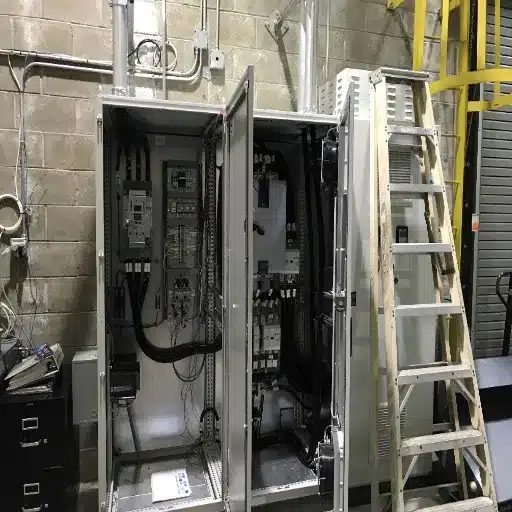
Compressors are key modules across various industries, consuming most of the energy that drives operations. Variable Frequency Drives (VFDs) offer an efficient solution for controlling compressors by varying motor speed in response to demand. This comprehensive guide examines how VFD technology optimizes pressure controls, reduces energy consumption, and contributes to improved sustainability.
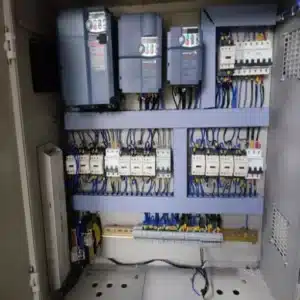
Variable Frequency Drives (VFDs) play a crucial role in optimizing compressor control by adjusting motor speed to match demand. Instead of running a compressor at full speed constantly, VFDs regulate the output based on fluctuating pressure or system needs. This results in reduced energy consumption, lower operating costs, and less mechanical wear on the equipment. By enhancing efficiency and performance, VFDs provide a reliable and sustainable solution for modern compressor systems.
Variable Frequency Drives have become critical components in new compressor systems, offering significant energy efficiency benefits. Industrial systems with VFDs can save from 30% to 50% of energy through precise engine speed control, ensuring compressors operate at optimal states tuned to real needs rather than at higher consumption levels.
Studies indicate that energy savings from VFDs lower greenhouse gas emissions, advancing sustainability goals for industries worldwide. The adaptability of VFD systems allows compressed-air systems to operate across a wide range of conditions without undue stress, prolonging equipment life and reducing maintenance expenses. This combination of cost-effective operation and environmental stewardship promotes a greener future while maximizing return on investment.
A standard motor-drive system operates in a single-speed regime, consuming energy even when the motor is not in use. This results in significant energy waste, especially when motor demand is low. A VFD solves this problem by adjusting motor speed to the precise level required by the system, enabling optimized energy use at all times.
Motor systems with VFDs can reduce energy consumption by up to 50% under certain conditions. In manufacturing, water treatment, and HVAC industries—where motors often run at less than full capacity—VFD control minimizes energy waste, directly reducing operating costs and enhancing the carbon footprint. Furthermore, VFDs help smooth power startup, resulting in a steady, effective electrical system.
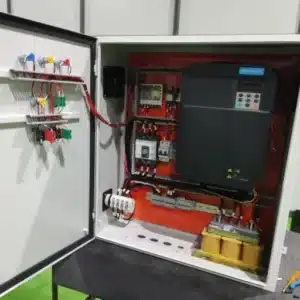
VFDs optimize energy usage by adjusting motor speed to match load requirements, significantly reducing energy consumption and costs.
By operating compressors at variable speeds, VFDs minimize mechanical stress, extend equipment lifespan, and reduce maintenance needs.
Improved energy efficiency and reduced maintenance result in substantial cost savings over the system’s lifetime.
VFDs provide precise control over compressor output, ensuring consistent performance and adapting to changing operational demands.
Reduced energy use directly translates into a smaller carbon footprint, supporting sustainable operations and corporate responsibility goals.
Energy conservation not only reduces operational costs but also helps meet sustainability goals on a global scale. Recent data indicate that energy consumption can be reduced by 30–50% in industrial applications through advanced technologies, particularly Variable Frequency Drives. This implies an excellent return on investment through savings on utility bills.
💡 Key Takeaway: Energy-conscious organizations can leverage government incentives and rebates to align investments with profitability and environmental stewardship, enabling the implementation of lean manufacturing methods that minimize waste.
Systems that integrate VFDs extend equipment longevity by reducing wear and tear. VFDs optimize motor performance by controlling speed and torque, resulting in fewer maintenance needs, reduced overloads, and fewer overheating incidents. These cost-effective techniques help businesses minimize maintenance costs while extending asset lifespans, enabling a larger, more reliable, and more efficient infrastructure.
| Feature | Description |
|---|---|
| Energy Efficiency | Optimizes energy consumption by adjusting motor speed to match application demands, reducing unnecessary power usage |
| Compatibility | Ensures compatibility with motor type and specific application requirements, including voltage, power rating, and control features |
| Ease of Use | User-friendly interfaces, intuitive programming, and precise diagnostics simplify operation and troubleshooting. |
| Protection Features | Advanced protection mechanisms, including overload, short-circuit, and overvoltage protection, safeguard the motor and VFD. |
| Durability and Reliability | Built to withstand harsh environments with long-term reliability and resistance to dust, moisture, and vibration |
| Scalability | Flexible design allowing adaptation to future application needs and integration with other systems |
The current generation of VFDs is equipped with advanced energy-monitoring capabilities to track power consumption and system performance precisely. These monitoring functions track real-time energy usage, enabling a better understanding of energy efficiency needs, pinpointing inefficiencies, and optimizing energy management. By integrating energy-monitoring capabilities with VFDs and IoT platforms, control and monitoring can be secured remotely, enabling predictive maintenance and maximizing operational efficiency.
Modern Variable Frequency Drives feature advanced control capabilities enabling more precise motor control and optimized system operations. Features such as sensorless vector control, closed-loop control, and auto-tuning enable optimization of motor performance as load demands vary. Through communication protocols such as Modbus, Ethernet/IP, and Profibus, VFDs seamlessly connect to industrial automation systems, allowing precise torque and speed control while minimizing unnecessary energy wastage. Combining these smart controls with IoT analytics guarantees optimal performance management aligned with specific processes.
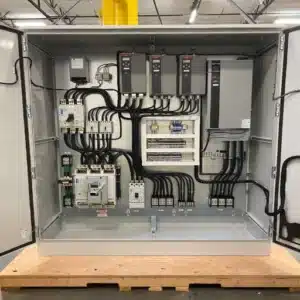
Modern Variable Frequency Drives for compressors now represent significant advancements in efficiency and performance. Key innovations include embedded motor control algorithms that optimize energy use and reduce wear on compressor components. Built-in diagnostics and predictive maintenance features, often powered by AI and IoT connectivity, ensure real-time monitoring and early detection of potential issues, minimizing downtime. Integration of cloud-based systems enables remote monitoring and management, streamlining operations and maintaining continuous, high-performance delivery.
Advanced algorithms improve VFD efficiency through predictive control, pattern-matching techniques, and condition monitoring, along with expert systems. AI uses real-time data to identify behavioral patterns and forecast operational changes, dynamically adjusting motor speed and energy consumption to improve efficiency continuously. For example, AI solutions can detect significant changes in motor vibration, indicating the need for timely preventive maintenance and averting in-service equipment failures. AI constantly learns from large databases, fine-tuning predictive performance for smarter industrial operations.
Integration of cloud-based analytics with Variable Frequency Drives transforms operational efficiencies. With real-time data analytics from cloud platforms, these systems dynamically adjust compressor speed in response to varying demand, enhancing energy savings and aligning with operational cost targets. High-end controls improve system reliability and extend equipment life by enabling more effective monitoring and corrective actions.
Variable Frequency Drives enable energy recovery innovation by collaborating with cloud analytics, allowing companies to develop precise energy models. VFDs allow motor speed adjustment to meet real-time system requirements. A plant using VFDs saves energy, consuming 35–50% less energy than traditional systems. This fine-tuned capacity delivers substantial energy savings while supporting eco-friendly operations, allowing businesses to reduce energy costs and minimize their carbon footprint simultaneously.
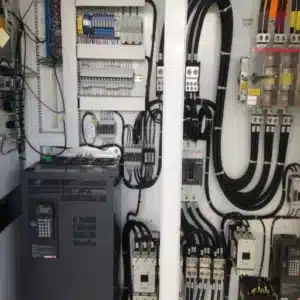
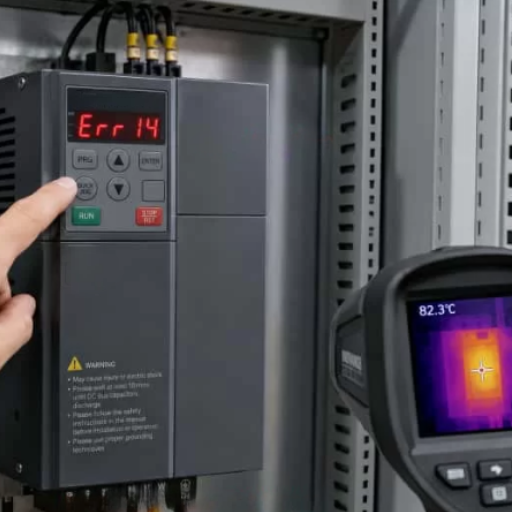
Ensure Adequate Cooling and Ventilation: Install the VFD in a location with sufficient airflow to prevent overheating. Maintain a clean environment to reduce dust and debris interference with cooling mechanisms.
Protect Against Power Surges: Use surge protectors or line reactors to shield the VFD from voltage spikes that could cause malfunctions or long-term damage.
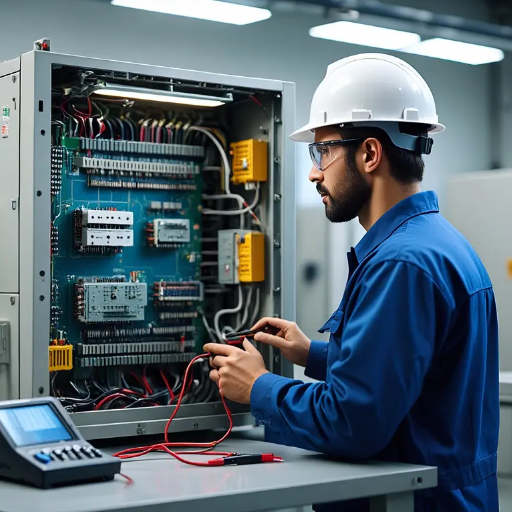
Proper Training for Staff: Ensure maintenance and operations personnel are thoroughly trained in VFD functionality and troubleshooting to maintain optimal performance and avoid misuse.
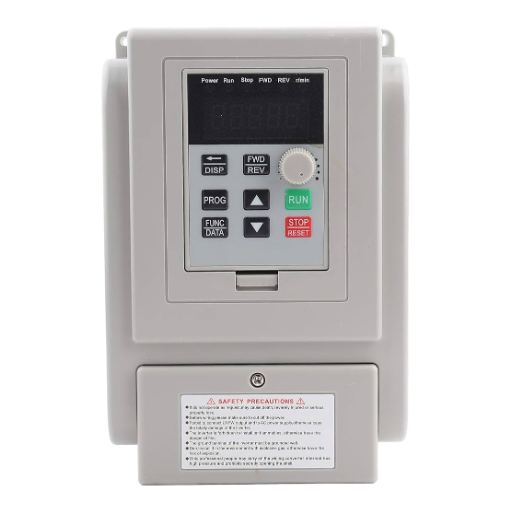
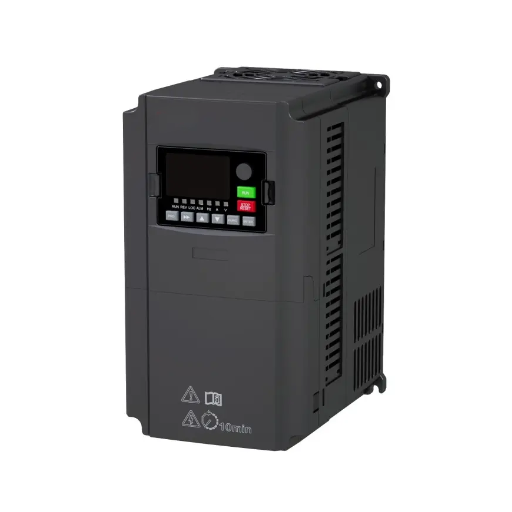
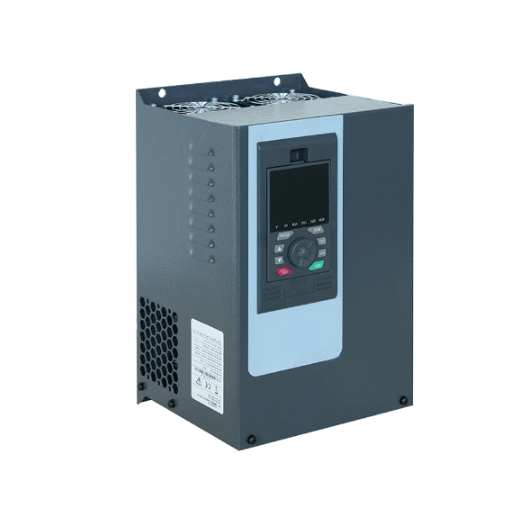
A Variable Frequency Drive (VFD) is a controller that adjusts frequency and voltage supplied to the electric motor to change compressor speed. Unlike fixed-speed or traditional compressors that run at constant speed and use on/off cycling or mechanical throttling for capacity control, a compressor equipped with a VFD matches compressor speed to air demand, providing finer capacity control and improved efficiency.
A VFD adjusts motor speed and compressor output to match the load, reducing wasted energy from constant-speed operation. For industrial compressors with variable air demand, VFD control delivers significant energy savings by running at lower speeds during light loads. In screw compressors, power reductions are roughly proportional to the cube of speed, substantially improving overall energy efficiency and control.
Many compressor manufacturers offer models equipped with VFDs or VFD retrofits for screw, reciprocating, and refrigeration compressors. VFD control of refrigeration compressors and heat pumps enables precise cooling demand response. However, compatibility depends on the compressor motor, control mode, and manufacturer guidance—consult your compressor manufacturer before installation.
An effective VFD control system uses a control panel, pressure sensor (suction and air pressure feedback), and a controller algorithm to adjust compressor speed to match air supply to demand. Capacity control can include PID loops, master controller networks for multiple compressors, and inputs for cooling demand or system pressure to maintain setpoints while optimizing energy efficiency.
A VFD provides soft-start functionality by ramping frequency and voltage, limiting inrush current and gently accelerating the compressor motor. Compared to standalone soft starters, a VFD also controls continuous speed and torque during operation, enabling lower-speed operation and improved process stability without the mechanical stress of frequent starts that traditional compressors endure.
VFDs allow lower-speed operation down to the minimum speed set by motor and compressor design; running below that may cause inadequate lubrication or surging. Control must prevent operation below safe suction pressure or create high-pressure conditions. The control mode should include protections for low and high pressure, as well as a minimum speed limit.
The following professional and authoritative sources provide in-depth insights into VFD technology and compressor control: