Ready to Get Your VFD Solution?
Whether you need a single drive or a complete system, we have the VFD products and engineering support to ensure your project's success.

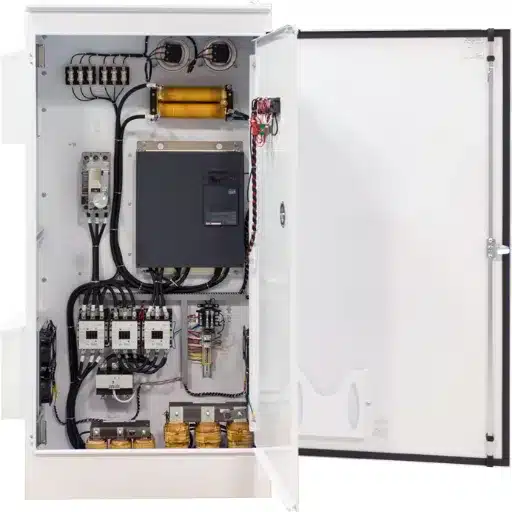
The importance of maintaining safety in industrial settings has reached a peak, and Variable Frequency Drives (VFDs) are of utmost importance in the promotion of operations that are both efficient and safe. Not complying with the necessary safety standards and regulations, meanwhile, can turn the use of VFDs into a source of potential hazards and operational risks. This guide aims to be your partner in the difficult and confusing world of VFD safety requirements by providing you with the essential knowledge about the standards, regulations, and best practices that will keep your systems and teams protected. No matter if you are a newcomer to VFDs or if you look for ways to deepen your understanding, this article will surely provide you with information of the kind that directly affects your safety strategies and at the same time maintains peak performance.
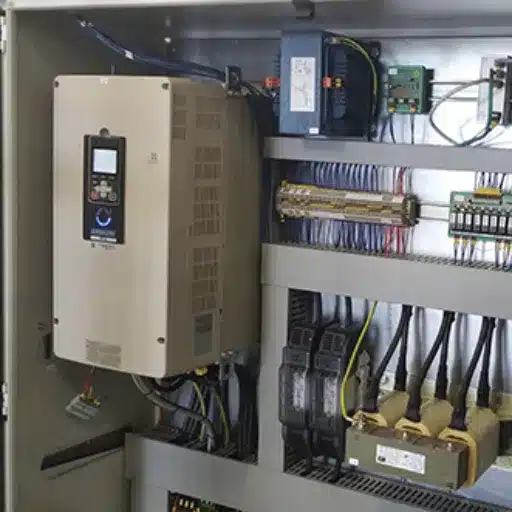
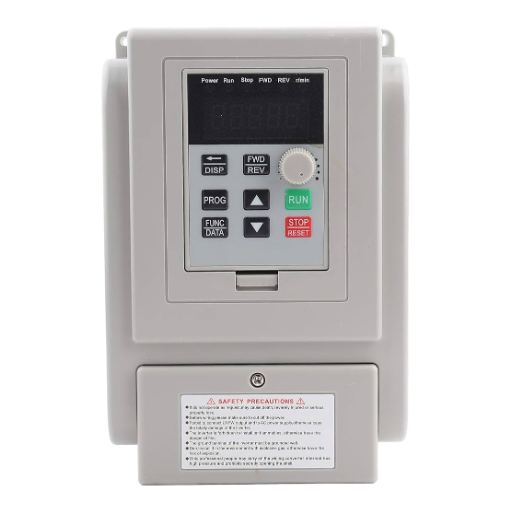
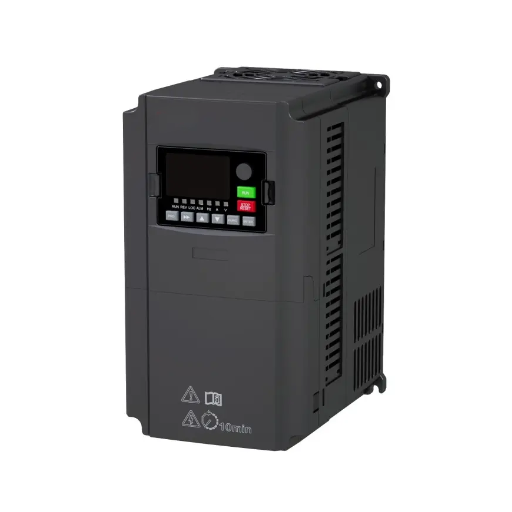
Variable Frequency Drives (VFDs) are electronic machines that manage the power supply of electric motors by changing the frequency and voltage of the electricity fed into the motors. They provide exact control over motor speed, therefore, they increase efficiency, less energy is used, and better process control in various industrial applications.
VFDs control the speed of the motor by changing the frequency of the power supply. The usual arrangement includes rectifiers, converters, and controllers. The rectifier changes the mains AC power into DC power; the inverter reverts to AC at the required frequency and voltage; and the controllers manage the process to meet the different operational requirements. VFDs are able to give very good control over the operation of the motor by using pulse-width modulation (PWM) technology to produce a waveform similar to a sinusoidal one, thus ensuring the motor runs smoothly.
Variable Frequency Drives (VFDs) have a lot of merits to offer in different industrial sectors leading to higher efficiency and productivity. The main advantage among others is the saving of energy. Recent research claims that VFDs can lead to a 20 – 50% reduction in power consumption in the case of installations like HVAC, pumps, and compressors. This is achieved by using the system’s requirement as an input for motor speed. Consequently, not only are the operating costs lowered but also the company’s carbon footprint is lessened since less power is needed and hence less pollution is created.
Process control is the other major plus point that comes with VFDs installation. By accurately controlling motor speed and torque during operation, VFDs contribute to smoother, more reliable machine work, thus improving the quality of the product and decreasing the number of times the equipment has to be taken out of operation for repairs. For example, in manufacturing plants, VFDs are used to provide precise control over the movement of conveyor belts and the mixing of products which in turn makes it possible to obtain a uniform production output.
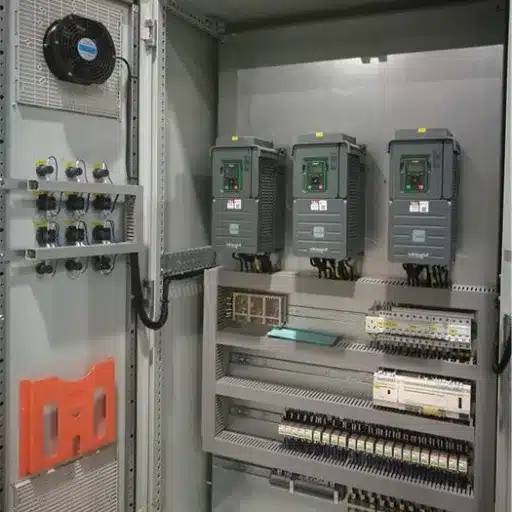
Overcurrent faults are mainly caused when the motor consumes more electrical power than the VFD can handle. In such cases, VFDs can shut down the entire system to prevent further damage or overheating. To address the issue, modern VFDs with built-in diagnostic tools can quickly identify the source of the overcurrent faults.
When the input power supply is significantly different from the voltage levels tolerated by the VFD, then faults of this type occur. A surge in power can lead to overvoltage, and an unstable or weak power source can cause undervoltage. the VFD might not work properly or die earlier than its lifetime due to a long time of being subjected to voltage irregularities. Installing power conditioners or surge protectors can help in preventing such problems.
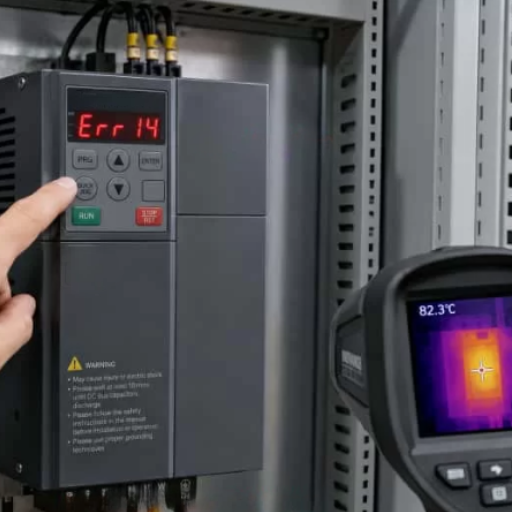
VFD units can run hot if cooling facilities are inadequate or surrounding temperatures are too high for electrical equipment. The system may decide to shut down as a precautionary measure against component damage. Recent research has indicated that thermal stress is responsible for 55% of VFD failures, indicating the importance of heat management to the reliability of the VFD system.
Even though technological advancements and the integration of modern systems such as IoT-enabled Variable Frequency Drives (VFDs), there are still many risks that plane production line operations. One of the primary concerns is the malfunction of the equipment, which has been shown to cause nearly 42% of unplanned downtime in industrial plants. The problem of aging machines coupled with poor maintenance practices increases this concern and leads to costly repairs and production halts.
Another possible risk is from cyber criminals as companies become more reliant on technology. According to the 2023 Industry Cybersecurity Report, about 80% of manufacturers faced at least one cyberattack last year. The attack may result in data leakage, damage, and shutdown of operations, which are some of the significant productivity and financial security issues that companies need to deal with.
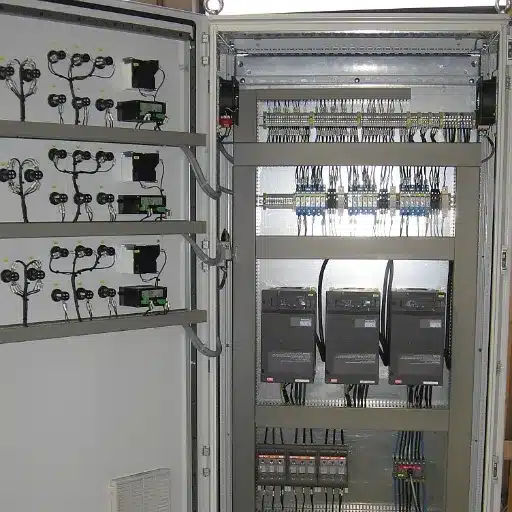
Safety measures were taken at a manufacturing facility that concentrated on the processing of food by incorporating VFDs (variable frequency drives) and state-of-the-art safety practices. Equipment failures that happened unplanned were reduced by 25% as a result of the early detection of the process upsets which, among others, was achieved through the use of sensors. An annual cost saving of $150,000 came from reduced repairs and energy consumption as a result of the combination of these systems improving worker safety and also directly.
A significant commercial structure installed VFDs in its HVAC systems with the principal aim of conducting real-time load monitoring along with triggering fault-detection alarms. Such integrated safety measures saved a situation where motor overheating occurred during the peak hour of operation. The number of failures recorded for the equipment during the entire 12-month period was 40% lower than before thereby, maintenance cost being reduced by 20%. In addition to that, improved energy management during that period led to the reduction of the monthly operational costs by 15%.
A company in the oil and gas industry resorted to the use of VFDs with an explosion-proof enclosure and operational analytics in real-time thereby, making it able to cater for its risky working conditions. The analytics platform was a source of alerts for any deviations in torque or speed from the norm allowing operators to react timely. This change resulted in a 35% reduction in worker accidents over a period of two years and a 20% increase in operational uptime. The company was also able to demonstrate that it was meeting the requirements of industry safety standards, which not only earned it higher safety certifications but also helped it strengthen its reputation in the market.
Safe Torque Off (STO) and functional safety are pivotal features that are integrated in the modern industrial systems that are meant both for operational efficiency and even more safety for humans and machines. The impatience of the case safety function to the motor torque without cutting power to the drive is a mellow way to explain its main function. Thus, the major motion that can be safer during maintenance or emergency situations is controlled by the process of automatically cutting motor torque or by simply removing the drive power without shutting down completely. Functional safety is a wider term that refers to a framework that progressively discovers possible dangers and, through adherence to safety standards such as IEC 61508 and ISO 13849, implements measures to eliminate them.
The effectiveness of safety systems integration has again been highlighted in the latest data. A 2023 analysis in the industry indicates that companies using the torque-off feature (in the VFDs) reduced unplanned downtime by one-fourth. Moreover, the presence of functional safety in the system ensured that it gets accreditation as per SIL 2 or above that is usually a key factor in fulfilling your regulatory and customer needs. These features not only make safety greater but they also increase performance by their ability to support predictive maintenance and diagnostic systems that are efficient.
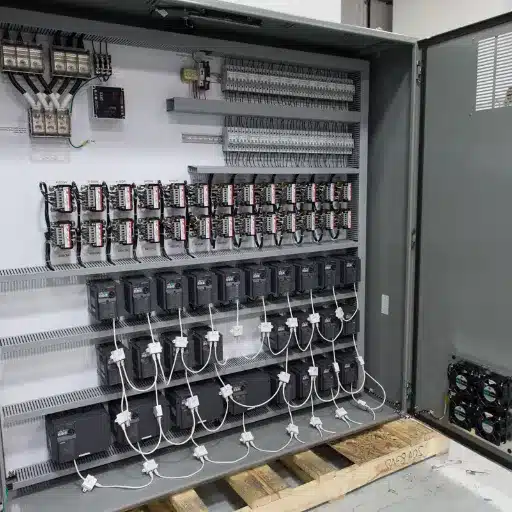
This global standard not only describes but also provides support for the safety-related parts of control systems. It allocates Performance Levels (PL) to systems according to their reliability and their potential for risk reduction. It is very important to make sure that the safety functions of the VFDs that are being used are at the same PL level as the one required in order to prevent a dangerous failure.
IEC 61800-5-2 is a standard that concentrates on the safety issues of adjustable speed electrical PDS and is a part of the IEC 61800 series. The primary characteristics are identified, including Safe Torque Off (STO), Safe Stop (SS1 and SS2), and Safe Limited Speed (SLS). The data from the latest industrial reports says that the usage of VFDs with safety features like STO integrated can bring down the energy-related hazards by such a whopping 40% during the regular maintenance of the plant.
UL 61800-5-1 provides the safety requirements for VFDs used in North America, mainly focusing on the electrical, mechanical, and thermal hazards. The manufacturers who want to be compliant with this standard have their products tested for high reliability under extreme operating conditions.
The compliance with industry regulations has turned into an essential part of business operations in today’s world, and at the same time, it has become very important for companies in the manufacturing, construction, and energy sectors among others. Following these rules not only guarantees legal conformity but also creates trust among the stakeholders and customers. A recent study has found that businesses that comply with safety and performance standards have experienced a reduction in operational risks of 23%, which has resulted in significant cost savings through accidents and equipment failures.
To begin with, the manufacturing industry has ISO 45001 health and safety standards as one of the areas where one can find proofs of good safety and production. The same goes with ISO 14001 environmental regulations; they have been causing a growth of 15% in resource efficiency for compliant organizations. The increase in investments in energy-efficient solutions like VFDs is yet another consequence of the trend. Future estimations of the VFD market size show that by the year 2025, it will have grown at a CAGR of more than 8% driven by new energy efficiency mandates and hence stricter regulations coming in place.
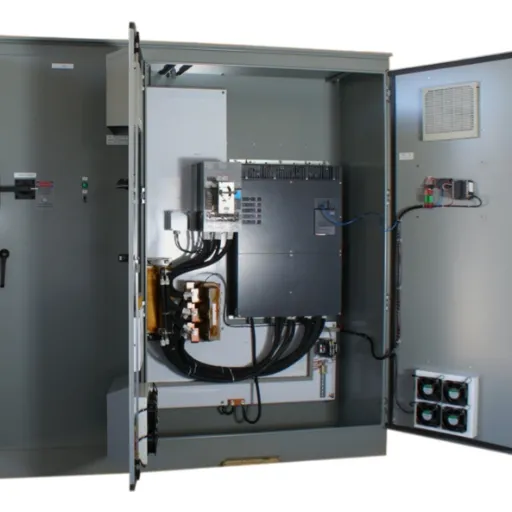
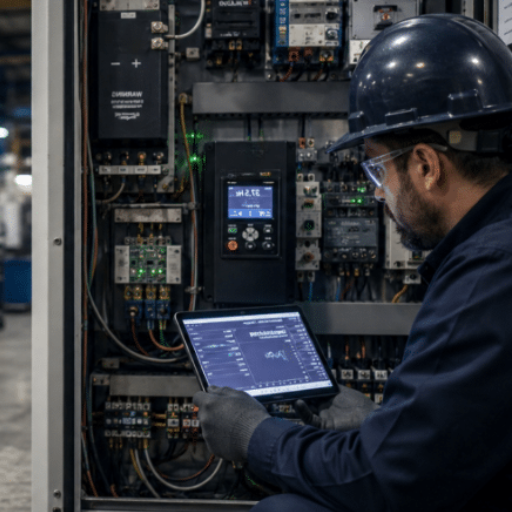
An essential factor in successfully the early detection of faults in Variable Frequency Drives (VFDs) and other essential machines is the installation of sophisticated monitoring systems. Current sensors along with IoT technologies can measure different performance indicators like vibrations, temperature, current and voltage. For example, maintenance before failure tools use instantaneous data to recognize hidden problems before they develop into major breakdowns.
A new search reports that predictive maintenance can cut down the costs of repairs up to 30% and almost 45% less machine downtime. These systems are based on algorithms and machine learning models that carry out a detailed analysis of trends, thus providing maintenance teams with actionable insights and timely alerts. Moreover, cloud-based monitoring platforms grant the possibility of equipment assessment from afar, thus ensuring a swift reaction to possible problems. By the amalgamation of these technologies, industries not only become immune to the risking of operation but also learn how to maximize their production and resource usage without any wastage.
Variable Frequency Drives (VFDs) stand out as the driving force in the industrial world as they precisely control the speed and torque of motors increasing the energy efficiency to the highest level. Nevertheless, the safe operation of these devices still has a high priority and this specifically refers to the cohort of personnel who work in such areas. The merging of technologies into VFD presents not only reliability but also the ability to give better hands-on experience.
Predictive analytics is one of the most advanced innovations to come from the junction of AI and IoT sensors. IT carves out a path for the continuous checking of VFDs, whereby voltages, currents, and motor temperatures are monitored all the time. Taking for example, the latest study says that employing predictive maintenance measures can lead to a 70% reduction of equipment failure rates and a 25% cut in maintenance costs. If abnormal behavior of the system is detected at the right moment and measures are taken then this can lead to not only an enhanced but also a prolonged era of the VFD system’s safe and effective operation.