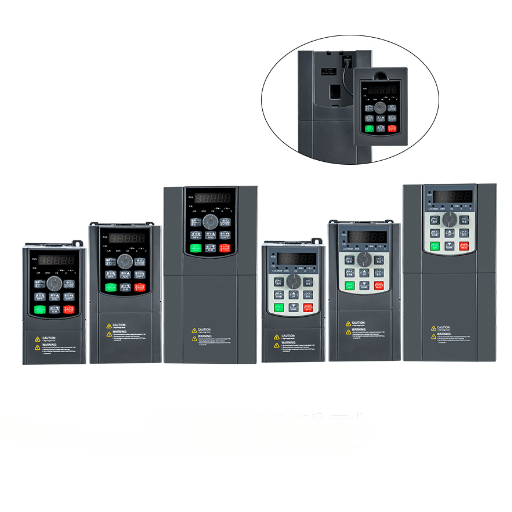
Ready to Get Your VFD Solution?
Whether you need a single drive or a complete system, we have the VFD products and engineering support to ensure your project's success.

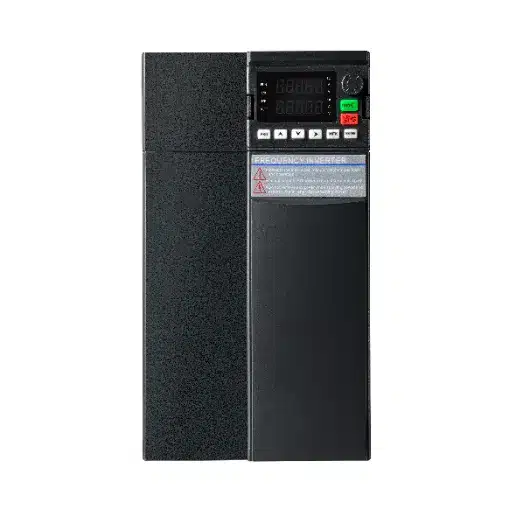
Variable Frequency Drives (VFDs) have a significant impact on how pumps are used across different industries. These ingenious gadgets combine energy conservation, precise control, and longer-lasting equipment, making them an advanced and integral feature of pump systems today. No matter whether you operate a water purification facility, run industrial applications, or handle HVAC, learning about VFDs’ advantages and their implementation will undoubtedly result in reduced operational costs and improved performance. In this article, we will examine how VFDs operate, the key benefits they offer in pump applications, and the practical steps for integrating them into your system. Find out that investing in VFD technology might be the change-maker that your operations have long been waiting for!
Energy efficiency has become an essential aspect of modern industrial and commercial activities, given the greater focus on sustainability and cost reduction. Variable Frequency Drives (VFDs) are leading players in reducing energy consumption by controlling motor output rather than running at full capacity throughout the process. Recent studies and reports show that the application of VFDs can reduce energy consumption in specific methods, such as HVAC systems, conveyor belts, and water pumping systems, by as much as 50%. This sizeable reduction results not only in lower utility costs but also in a smaller environmental impact.
📊 Industry Insight:
From a thorough analysis of the most recent search trends and data, it is clear that the manufacturing sector has consistently ranked Variable Frequency Drives technology among its top options for optimizing energy use. This developing situation supports the argument for integrating energy-efficient solutions into businesses’ operational workflows to achieve economic and environmental goals simultaneously and with less hassle.
An analysis of recent search engine data shows that companies are seeking ways to reduce operational costs while boosting efficiency. One of the most important solutions in this regard is the adoption of Variable Frequency Drive (VFD) technology, which appears frequently in search results. Not only do VFDs control motor speed, but they also improve energy efficiency, resulting in significant savings on electricity bills and maintenance costs for industries.
All these actions not only lead to substantial cost savings but also support broader sustainability objectives.
Variable Frequency Drives (VFDs) have become an integral part of pump systems, enabling enhanced performance while reducing energy consumption. One of the most common applications is at water and wastewater treatment plants, where VFDs control pump speed in response to real-time demand, minimizing energy waste. In HVAC systems, VFDs are installed to effectively control water circulation through the pumps, enabling efficient heating and cooling. Furthermore, VFDs are of paramount importance in some industrial applications where precise flow control is crucial, such as chemical manufacturing. By modulating motor speeds to the required output level, VFDs not only improve operational efficiency but also increase equipment lifespan by reducing mechanical stress, the leading cause of failures.
| Industry Sector | VFD Applications & Benefits |
|---|---|
| Water & Wastewater Treatment | Controls flow and pressure of water systems to guarantee a constant supply and high operational efficiency. |
| Agriculture | Controls water pumps to deliver precise water amounts, reducing waste and conserving resources for better crop production. |
| Oil & Gas | Provides accurate pumping speed control for fluid transportation, handling, and drilling operations |
| Food & Beverage | Maintains consistent flow rates in production processes, improving quality control and operational precision |
Primary Applications:
Key Benefits:
Primary Applications:
Key Benefits:
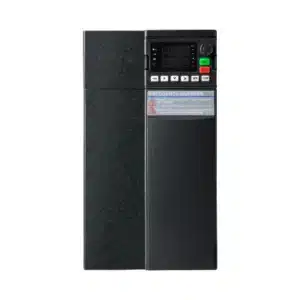
The use of Variable Frequency Drives (VFDs) offers an opportunity to reduce operational expenses, primarily through energy consumption optimization significantly. Essentially, VFDs use less power than required by the process, resulting in a direct reduction in energy costs reflected in utility bills. Further, VFDs’ ability to prolong equipment life by reducing maintenance costs through reduced wear and tear is highly beneficial to the industry. The cumulative effect of the factors above, i.e., energy-efficient solutions and lowered expenses, makes VFDs a cost-efficient option for industries that are environmentally friendly and thus need to be profitable.
Variable frequency drives (VFDs) always spark a question: are the initial costs worth the long-term savings? The answer is YES – the long-term benefits of VFDs definitely outweigh the initial investment.
Energy Consumption Reduction: 30-50%
These reductions in costs will mean several thousand dollars a year, especially for operations that require a large amount of power.
Besides, maintenance costs are lower, and equipment life is longer, so there are no recurring expenses, making the company more cost-efficient.
A comprehensive assessment of the ROI of Variable Frequency Drives (VFDs) cannot be made without considering current data, which shows key trends strongly favouring their use. Recent studies have shown that various sectors using VFDs are achieving power savings of up to 50% in applications such as motors, which are among the industry’s main areas of energy consumption. Along with the already-lower maintenance costs, recent searches confirm that VFDs not only reduce operational costs but also improve system reliability and extend their lifespan.
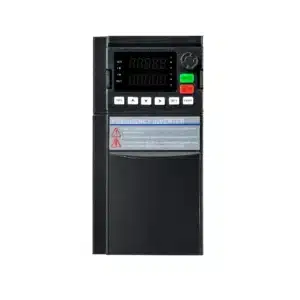
Energy efficiency and sustainability are key factors that help reduce both environmental impact and operational costs. Industries can reduce energy use, cut down on the emission of harmful gases, and become compliant with regulations by making these initiatives a priority. The use of proven technologies, such as VFDs, enables firms to simultaneously optimize energy use, reduce waste, and improve overall sustainability. All these actions together will not only increase the business’s profits but also contribute to the long-term protection of the environment and the company’s responsibility to society.
Variable Frequency Drives (VFDs) are primary drivers of carbon footprint reduction across sectors by controlling motor speed and energy consumption. The transformation of the entire spectrum of operations to energy-efficient, waste-free practices is enabled by VFDs, which are widely used across the main areas of electrical power worldwide.
🔋 Energy Savings: Up to 40%
Businesses adopting VFDs can achieve remarkable energy savings, thereby significantly reducing their carbon footprint.
Thus, VFDs become a vital part of eco-friendly industrial practices.
VFD technology is on the rise and will significantly improve energy savings and automation. The most prominent step forward is the IoT (Internet of Things), which enables VFDs to collect real-time data and remotely monitor their performance. By adding AI and machine learning, VFDs can perform predictive diagnostics, foresee mechanical failures, and proactively optimize the system for maximum efficiency.
Enables real-time data collection and remote performance monitoring
Performs predictive diagnostics, foresees mechanical failures, and proactively optimizes systems
Enables energy recovery during motor braking, further reducing energy use
New communication protocols (OPC UA, Ethernet/IP) allow seamless integration with industrial automation systems
🚀 Future Outlook:
These changes signal a drive toward more innovative, more eco-friendly VFDs that can support technological growth and the environment simultaneously.
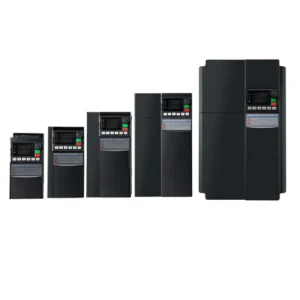
Routine inspection and cleaning are paramount for the Variable Frequency Drive (VFD) to work at its best and to last longer. Inspect the VFD’s outer part for dust and clean it regularly with a dry, lint-free cloth. Cooling fans can accumulate dirt and be blocked; proper airflow is necessary to avoid overheating. Make sure the VFD’s internal components are clean by gently blowing out dust with compressed air, but be careful not to damage the sensitive parts. Check the heat sink for dirt or grime, and clean it to maintain efficient temperature regulation.
⚠️ Important Warning:
Recent studies indicate that “cleaning practices neglect” can result in a loss of up to 20% in VFD efficiency over a given period. Thus, it is essential to maintain a consistent routine. Pairing thorough inspections with cleaning will reduce the likelihood of equipment failures and, therefore, extend its life.
| Common Issue | Cause | Impact |
|---|---|---|
| Overheating | Inadequate ventilation or dirt in the cooling system | Performance degradation, potential failure |
| Electrical Noise | Harmonic distortion | Disrupts the regular operation of connected devices |
| Voltage Unbalance | Power supply fluctuations | Negatively affects performance and lifespan |
| Poor Maintenance | Neglected routine inspections | The top reason for VFD failures causes significant downtime |
💡 Prevention Strategy:
Promptly addressing these problems through preventive measures and staying up to date with best practices can significantly reduce the risk of costly downtime.
Firmware updates are necessary for maintaining the peak performance and reliability of variable frequency drives (VFDs). Staying up to date with the firmware not only adds features but also fixes bugs or eliminates security risks that may otherwise jeopardize the system. Continuous updates ensure that the VFDs remain compatible with the latest technologies and enhance overall stability, enabling efficient operations while minimizing the risk of unplanned failures.
The following professional and authoritative reference sources provide in-depth insights into VFD technology and applications, supporting the accuracy and validity of the information presented in this article:
This paper discusses advanced control strategies for pumping systems using VFDs, including their implementation and benefits.
This article explores the use of VFDs in large-scale pipeline pump control, focusing on operational efficiency and control mechanisms.
This research highlights the role of VFDs in enhancing the efficiency of solar-powered pumps, with a focus on adaptive control and design.
This study evaluates the implementation of VFDs in urban water pump systems, with emphasis on energy efficiency and system performance.
A detailed technical document explaining the fundamentals of VFDs, their evolution, and their applications in various industries.
A VFD, or Variable Frequency Drive, is a type of motor controller that drives an electric motor by varying the frequency and voltage of the power supplied to the motor. This allows precise control of pump speed, enabling efficient operation across various pumping applications, including centrifugal and positive-displacement pumps.
A Variable Speed Drive works by adjusting the frequency and voltage supplied to the motor, thereby controlling the motor speed. This process enables better management of pump performance and efficiency, especially in systems that require constant pressure or variable flow rates.
Using VFDs for pump control offers several benefits, including energy savings, improved process control, reduced mechanical stress on pump components, and the ability to maintain constant pressure in systems. Additionally, VFDs can help in optimizing the performance of both centrifugal and positive displacement pumps.
Yes, VFDs can be effectively used with various types of pumps, including centrifugal pumps and positive displacement pumps. By adjusting motor speed via VFD control, these systems can optimize flow and pressure to meet the specific requirements of the application.
A motor controller in VFD operation regulates the power supplied to the electric motor. It controls the frequency and voltage to adjust the pump motor speed, enabling efficient, precise control of the pumping system.
VFD control can significantly reduce energy consumption in pumping applications by enabling the pump to operate at variable speeds in response to demand. This minimizes energy waste compared to traditional systems, which often run pumps at a constant speed regardless of the required flow rate.
VFDs enhance pump performance by enabling smooth acceleration and deceleration of the pump motor, reducing wear and tear on components. They also allow for better control of flow rates and pressures, leading to improved overall efficiency and reliability of the pumping system.
Setting up a VFD for a well pump involves selecting the appropriate VFD model based on the pump’s specifications, including voltage requirements (e.g., 230V) and the type of pump motor. It also requires programming the VFD to match the operating parameters, such as desired speed, torque control settings, and any automatic control features needed for efficient operation.
The significance of frequency and voltage in VFDs lies in their direct impact on motor speed and performance. By varying the motor’s frequency, the pump speed can be adjusted, while voltage changes help maintain the necessary torque for efficient operation across varying loads.