Ready to Get Your VFD Solution?
Whether you need a single drive or a complete system, we have the VFD products and engineering support to ensure your project's success.

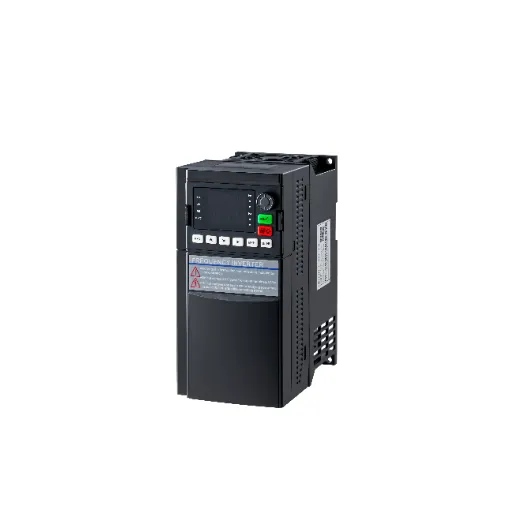
A variable-frequency drive is an essential component in the control of AC motor-driven loads in industrial and domestic settings. The primary purpose of the VFD is to make the speed of the electric motor precise, flexible to operate, consume less power, and work in a better manner than other systems. VFDs have transformed the world, but how do they make this happen, and what are the fundamentals of these drives? This research paper elucidates the basic concepts of VF drives and their advantages across various industries. Whether the information is extremely basic or sophisticated, people still want to know the intricacies of variable-frequency drive mechanisms.
The use of Variable Frequency Drives (VFDs) has gained popularity as electronic devices have spread, primarily for operating electric motors. Motors are powered by alternating currents with a constant frequency. To operate motors at speeds other than the line frequency without changing the mechanical connection between the shaft and the electric motor, variable-frequency drives can change the line frequency. There are various industries where motor speed control is a primary requirement, and variable-frequency drive systems are functional across them. They reduce energy loss in electric motors and control the acceleration and deceleration of the rotating equipment in the process without changing the equipment’s capacity. As a result, the equipment is optimized for a long service life at minimal utility load, wearing less.
In the early 1900s, there was a dire need for methods to control the speed of electric motors across various industrial applications, which led to the development of variable-frequency drive technology. During these periods, such attempts were mechanized using gear reduction units and belt systems. Unfortunately, these techniques proved cumbersome and provided poor control.
Between the 1900s and 1950s, however, saw the introduction of solid-state electronics, changing the course of variable frequency drive technology. This was essential in the 1950s, when the SCR (Silicon Controlled Rectifier) was introduced, paving the way for effective motor speed control by enabling precise current control. Then, different materials, such as IGBTs (Insulated-Gate Bipolar Transistors), and new generations of microprocessors were used to make variable-frequency drives even more reliable, smaller, and power-efficient.
The adoption of VFDs by the 20th century was relatively high in various sectors. This is because their use in operations makes processes more efficient and even reduces energy consumption. At present, VFDs have taken another direction, becoming more intelligent and technology-oriented, with issues of IoT connectivity among other areas, such as predictive maintenance enhanced by AI. These, in turn, improve the operation of motors, especially in industry, and support their management and diagnosis, making variable-frequency drives essential for automation and for reducing ecological impacts within society.
In the realm of motor speed control, Variable Frequency Drives (VFDs) play an essential role by regulating motor speed, improving energy efficiency, and enabling flexible operation. Motor speeds are set based on load conditions rather than a constant full speed, which simply wastes energy, except in a few specific applications like HVAC, conveyors, and pumps. Recent studies show that using VFDs can reduce energy consumption by 30-50% in industry. This, however, is not a new concept, as VFDs have been in use for a long time now, and the speed range is adjustable according to the load, preventing potential energy waste at work.
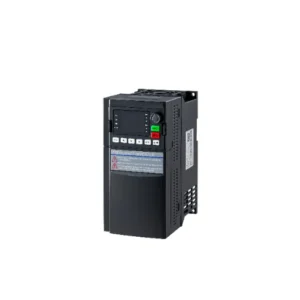
VFDs have become indispensable in the current industrial landscape due to their energy conservation, cost reduction, and improved process management. A variable-frequency drive is used to control the motor speed per the work requirement, helping save energy and avoid waste. In addition, they facilitate industrial automation by enabling accurate motor functionality at process variations. In addition to those advantages, VFDs help conserve machinery by reducing wear and tear and minimizing repairs. In this regard, their use in modern technologies has improved production and enhanced factory efficiency.
The use of a variable-frequency drive (VFD), for example, has proven effective across most industries. The manufacturing industry is one of the largest consumers of VFDs and aims to improve the performance of conveyor belts, pumps, and compressors while reducing power consumption. Another big player is the HVAC industry—Heating, Ventilation, and Air Conditioning. VFDs in this field help adjust the speed of fans and pumps in response to environmental changes, condensing or expanding airflow while saving energy.
VFDs in the water treatment industry serve diverse functions, such as controlling pump motors to maintain a constant water flow and prevent overuse of the system. In specific sectors, such as mining, oil and gas, and renewable energy, heavy-duty equipment, including pumps, relies on VFDs to handle even the heaviest loads. As the global economic landscape moves towards energy-saving and self-operating solutions, the use of VFDs is increasing day by day, and the same can be said of their immense contribution to efficient, eco-friendly processes.
Environmental Impact: Variable Frequency Drives (VFDs) have received significant attention as a primary strategy for carbon offsetting in the industrial and commercial sectors. The average energy efficiency across industries that use them, according to the latest figures, is 30–50%, which helps reduce carbon emissions from these sectors. VFDs can do so by slowing down the revolutions of the motor so that the revolution of the motor matches the demand of the application, and energy is not spent in excess.
For example, in HVAC applications with VFDs, fans do not need to run at full speed or continuously; instead, they and pumps are optimally operated at different speeds. In a world of businesses increasingly emphasizing sustainability, VFDs become relevant for reducing emissions costs while offering other cost-cutting benefits. They are applicable across a wide range, making them an essential factor in paving the way for green, energy-efficient operations.
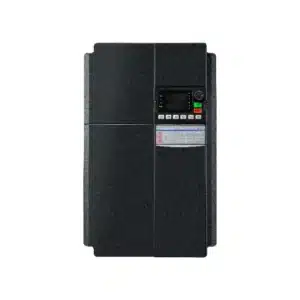
The development of improved variable-frequency drive technologies has emphasised making the devices more energy-efficient, highly reliable, and easier to integrate. Currently, variable-frequency drives (VFDs) are engineered with intelligent control systems that enhance motor performance and reduce power consumption. Greater attention is being paid to making the devices as compact as possible, enabling more installation flexibility in complex and confined spaces.
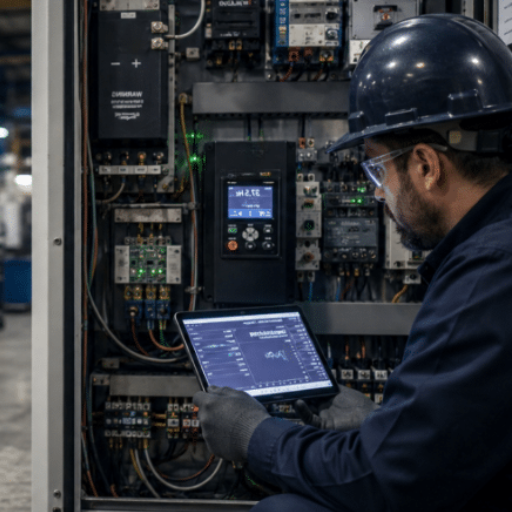
Furthermore, the Internet of Things (IoT) has been applied to these systems for real-time monitoring and predictive maintenance, thereby increasing equipment utilization time. Improved control panels, in addition to the programmability, have further facilitated operations, enabling the utilization of VFDs in more applications. Consequently, reducing energy consumption and improving the fundamentals of energy generation have become even more critical given the current level of technological advancement.
The inclusion of a variable-frequency drive (VFD) in IoT-enabled intelligent systems has transformed energy management and operational efficiency across industries. These systems also enable predictive maintenance by incorporating data collection and real-time analytics. This ability also allows for minimizing anticipated losses from equipment breakdown. IoT-based monitoring further enables an end user to monitor energy usage to determine proper or improper use, as well as to make decisions based on questions of performance and design improvement.
Moreover, this connection enables seamless integration with existing building automation systems, thereby increasing automation levels and the ease of integration. In an era of green consumerism, the relationship between VFDs and IoT systems is essential for reducing unnecessary energy consumption and helping organizations achieve their environmental goals.
In modern systems, one of the most common problems is trying to ‘stretch’ the available space, especially in factories, computer rooms, and apartment complexes. By offering smaller modular units without any concessions on power or features, compact VFD versions address this problem. Engineering development over the years has enabled the integration of the previously mentioned cooling and power module functions and their control processes within the variable frequency drive, thereby saving space in cases where every shape and size matters.
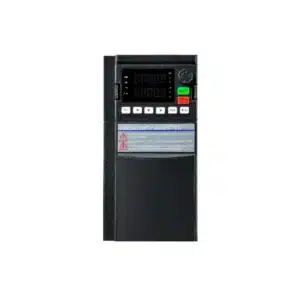
The application of variable frequency drives (VFDs) in industry is significant for controlling motor speed and saving energy. Typical examples include:
Variable-frequency drives (VFDs) can significantly improve the efficiency of pumps and blowers across all types of industrial operations. They achieve this by providing highly accurate speed control that enables operators to adjust the motor speed as needed, if the system does not require it. This means that, in the case of variable-frequency-drive-operated pumps, a lot of energy is conserved because they do not consume more power than needed for the task assigned to them when demand changes. The same applies to variable-frequency-driven blower systems, where air movement and the frequency of starting and stopping are improved.
Performance Statistics: Based on recent research, variable-frequency drive contributions to savings, particularly in pump applications, can reach up to 50 percent, making them an integral part of modern energy planning systems. They also help maintain steady pressure, flow, or temperature in the system, thereby avoiding operational logs. The main advantage is that newer VFD models are equipped with advanced features such as IoT-based monitoring, which allow adjustments while the plant is running and even improve maintenance.
When it comes to improving HVAC systems, variable frequency drive (VFD) systems are widely employed for varying the intensity or current torque of motors used in fans, compressors, or pumps. By adjusting motor speeds to match the load, VFDs help reduce energy and maintenance costs by a greater margin and enable motorized HVAC components to operate longer. Take, for instance, ventilation in a building: VFDs automatically adjust airflow to the level of occupancy rather than letting the system run aimlessly when there are no users.
Moreover, VFD functionality is combined with innovative construction, enabling comprehensive data analytics and the Internet of Things to monitor and remediate the system condition accordingly. In fact, figures show that implementing these systems in HVAC results in about 40% in cost savings, which, in turn, aligns with environmental policies that promote sustainability. All these guarantee approaches to Building Management without VFDs, helping reduce costs and environmental damage.
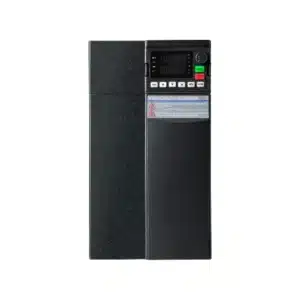
Integrating energy efficiency with policies aimed at cost savings, both environmental and cost-effective, into businesses sets a critical agenda. Currently, many Variable Speed Drives (VSDs) on the market adhere to these guiding principles; therefore, not all motors need to run at full speed throughout operation. According to recent findings, in several industries, even when VFDs are used, energy demand is reduced by almost 50%, particularly in systems with variable loads, such as air conditioning or water pumping. Remuneration for this effect does not owe solely to the energy bills but also to the maintenance and changes of the machinery because VFDs reduce the wear and tear due to the motion of parts. This means encouraging sustainable practices among the practitioners while providing satisfactory financial returns to the operators.
A variable-frequency drive (VFD) system is crucial for extending longevity and reducing wear. This is due to the absence of prolonged full-stop starts, as the motor speed and torque are controlled by the VFDs to accurate levels. Based on updated information, companies that utilise VFDs experience fewer machine breakdowns and longer periods of continuous operation, resulting in reduced maintenance expenditures. Besides, VFD systems, which have enabled efficient operations, also minimize strain on components such as bearings, belts, and seals, thereby reducing degradation and improving durability. Hence, VFDs are invaluable to any enterprise seeking to enhance efficiency and protect machinery from premature deterioration.
Variable-frequency drive systems enhance operational accuracy, effectiveness, and productivity while supporting environmentally friendly operations. They allow motors to run at different operating speeds in accordance with process requirements, thereby reducing energy losses and, in turn, saving a significant amount of energy and reducing emissions and electricity consumption. Different applications and industries use these drives depending on the desired efficiency; however, according to recent statistics, they still have the potential to reduce environmental footprint by 20%-50% with the new technology of variable-frequency drives. Such a strategy aligns with recent trends in energy efficiency and environmental protection.
Furthermore, a variable frequency drive streamlines processes and enhances control, thereby minimizing resource waste—such as raw materials in manufacturing or water overconsumption in pumping systems. Deploying VFDs across different industrial processes helps industries comply with more stringent environmental regulations. They tend to serve two purposes at once: ensuring operational efficiency while responding to ecological demands.
Here are five professional and authoritative sources related to Variable Frequency Drives (VFDs) that you can use to verify the correctness of this article:
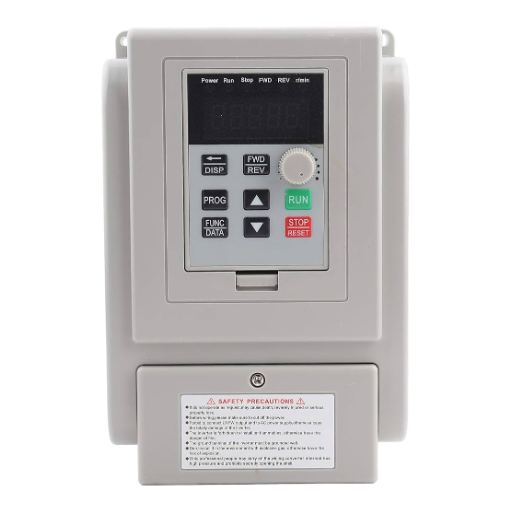
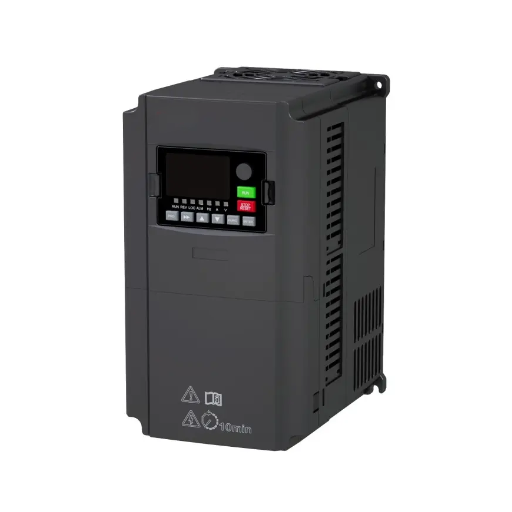
A variable-frequency drive (VFD) is an electronic device that controls the speed and torque of an AC electric motor by varying the frequency and voltage supplied to it. It adjusts the motor’s output frequency, enabling precise control across various applications, including pumps and compressors.
A VFD works by converting the incoming AC power to DC using a rectifier, then inverts it back to AC with a variable frequency and voltage using an inverter. This process allows the VFD to control the motor speed by adjusting the applied frequency and voltage, thereby influencing the motor’s performance.
Using a variable frequency drive can lead to significant energy savings, improved process control, and reduced mechanical stress on the motor and connected equipment. It allows for adjustable speed and torque, enhancing efficiency in applications with varying load conditions.
Variable-frequency drives are primarily used to control AC induction and synchronous motors. They can operate both single-phase and three-phase motors, making them versatile for a wide range of industrial and commercial applications.
When selecting a VFD, consider the motor type, the required voltage and frequency range, the load type, and the application specifics. It’s crucial to match the VFD’s output to the motor’s specifications and ensure it can effectively handle the motor load.
An AC drive is a broader term for any device that controls the speed of an AC motor. A variable-frequency drive is a type of AC drive that varies the frequency and voltage supplied to the motor to control its speed and torque.
No, VFDs are explicitly designed for AC motors. If you are using a DC motor, you would typically use a DC drive instead. However, if you need to control a three-phase AC motor, a VFD is the appropriate choice.
The VFD controller is the brain of the variable-frequency drive, managing the inverter and overall drive control. It regulates the output frequency and voltage based on input parameters, ensuring efficient and accurate motor performance.
Varying the frequency directly affects the motor’s speed. Lower frequencies result in slower speeds, while higher frequencies increase the speed. This control allows for flexible operation tailored to specific application requirements, enhancing overall efficiency.
The output frequency is critical in determining the motor speed. By adjusting the output frequency, the VFD enables precise control of the motor’s speed and torque, which is essential for applications such as pumps, fans, and conveyors that require variable operation.