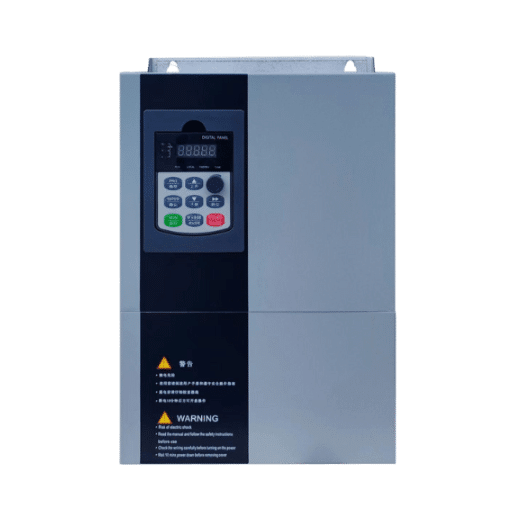
Ready to Get Your VFD Solution?
Whether you need a single drive or a complete system, we have the VFD products and engineering support to ensure your project's success.

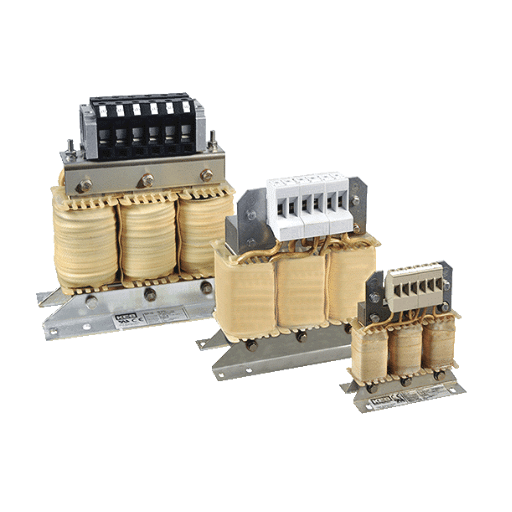
Variable Frequency Drives (VFDs) have become essential in the new industrial landscape, as they not only enable precise control of electric motors but also deliver significant energy savings. Still, the operation of VFDs can result in the generation of electrical harmonics, thereby decreasing power quality, harming equipment performance, and ultimately leading to higher costs. This article delves into the significance of input and output filtering in reducing these harmful harmonics. The system of harmonic generation and the presence of filtering systems are both technical matters. Still, by investigating them, we can determine how to improve system efficiency, protect sensitive equipment, and comply with stringent power quality standards. So, whether you are the one who helps to optimize industrial systems or the facility manager who wants to make the system more reliable, this comprehensive guide is still the best source of intelligence that provides all the tricks that can put the harmonics issue under control while letting you enjoy the advantages of the VFD technology.
Variable Frequency Drive (VFD) filters are designed to address power quality issues caused by VFDs. The principal concern is the reduction of harmonics- voltage and current fluctuations initiated by VFD- and the cutting down of electromagnetic interference (EMI). All in all, such filters are a necessity for system efficiency, for the equipment connected to power remaining healthy from a quality perspective, and consequently, as the buzz words go, lifespan increase, both for the VFD itself and the components surrounding it.
Some of the most common types of VFD filters are passive filters, such as line reactors and harmonic filters, and active filters designed to counter harmonic distortions, thereby preventing them dynamically. The filters must be selected with the system requirements in mind, including total harmonic distortion (THD) levels, load state, and overall power quality goals.
VFD filters, short for Variable Frequency Drive filters, are custom-made equipments that are used to restrict the electrical disturbances and harmonics caused by the switching operations of a VFD. Such disturbances, when poorly managed, can cause system efficiency to drop, motors to overheat, and contribute to harmonic standards such as IEEE 519 being breached. By using VFD filters, engineers can improve the system’s harmonic management, thereby guaranteeing smoother operations, regulatory compliance, and prolonged equipment life.
While considering several power system issues, it is worth noting the wide variety of VFD filters. In this regard, passive filters are cost-effective solutions that can reduce harmonic distortion by presenting impedance to the intended frequencies. In other terms, these filters are most suitable for applications having relatively stable load profiles. On the flip side, active filters contain electronic circuits that are designed to control and eliminate harmonics and other disturbances in real time and can be used in very complex, fluctuating systems as well, unlike passive filters. Marvellous advancements in filter technology also improve thermal management, reduce power losses, and enable the most efficient and reliable operation of filters even in very demanding industrial environments.
VFD (Variable Frequency Drive) filters serve their purpose by minimizing the impact of electrical disturbances and harmonics created during the conversion of fixed-frequency AC power to a variable-frequency output. The process begins with rectification, where incoming AC power is converted to DC. Next is the inverter stage, which generates the required AC output frequency and voltage. Yet this transformation causes the conventional operation to produce harmonics and voltage peaks, which degrade system performance and equipment.
The placement of VFD filters is usually to address and overcome these challenges; in this case, the filters are placed on either the input side (line filters) or the output side (load filters). The ultimate aim of the input filter is to reduce harmonics and improve the power factor by making the current drawn from the power supply constant, in compliance with IEEE 519 and other harmonic standards. Output filters, on the other hand, are primarily intended to protect drives/motors and cables from the high-frequency pulses generated by the drive, thereby preventing motor insulation breakdown, heating, and noise. Filters that make use of advanced technology – dV/dT filters and sine wave filters are among them- are very effective and quite often, they change the pulse-width modulated (PWM) outputs into smooth waveforms, thus reducing the electromagnetic interference and extending the motor life span.
The contribution of filtering in Variable Frequency Drive (VFD) systems is significant in ensuring that connected components operate efficiently and have a long life while meeting strict electrical standards. The power quality of the system may be adversely affected by harmonic disturbances from VFDs, leading to voltage distortion, increased transformer losses, and equipment malfunctions. Installing harmonic filters is one way to implement proper filtering that reduces total harmonic distortion (THD) to values acceptable under industry standards, such as IEEE 519.
Moreover, many of the adverse effects of high-frequency PWM switching can be avoided by output filtering. Without the proper filter, serious EMI problems could occur, including early motor winding failure, overheating beyond the rating, and increased motor noise. However, the sinusoidal wave filter can be coupled with the filter to achieve exceptional benefits. It will even remove the high frequency itself and also provide complete galvanic isolation. Thus, it will minimize the motor’s heat production and extend its lifespan. Even more importantly, this is a must for battery-fed systems.
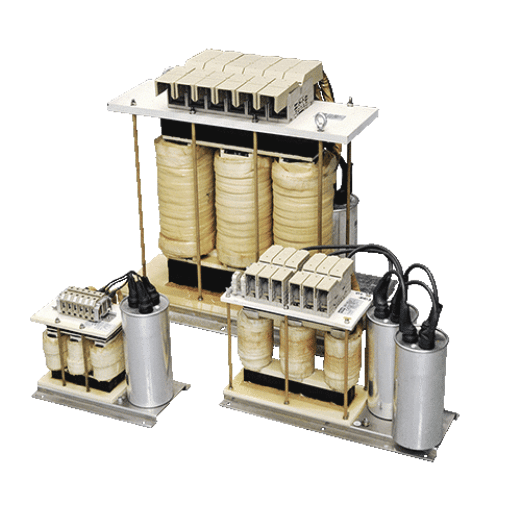
These filters are a special type that convert the VFD’s PWM (Pulse Width Modulation) output into a smoothed sine wave. They are very effective at protecting motors from voltage surges, relieving insulation stress, and reducing noise levels, particularly in long-cable systems.
The dV/dT filters are designed to keep the rate of increase in voltage within limits and, in this way, limit overvoltage fluctuations, thus reducing mechanical stress on the motor windings and, at the same time, avoiding premature insulation breakdowns. They are very popular for short- to medium-length across-the-line cable applications.
Leakage currents to motor bearings can be a legitimate source of Common Mode Voltage and can, in turn, damage the bearings. These filters are mainly used to extend the motor’s lifespan and to mitigate Electromagnetic interference (EMI).
Harmonic filters, as an objective, aim for the reduction of the harmonic distortion that VFDs bring out in the electrical supply network. It results in an elimination of harmonics, enhancing power quality and complying with grid standards simultaneously.
Factually, harmonic filters represent an undisputed part of systems designed to fight against the harmful effects of harmonic distortion. The problem is that harmonic distortion results from the use of non-linear loads, mostly variable frequency drives, rectifiers, and transformers, that introduce harmonic currents into the power system, hence lowering the quality of power and increasing the risk of equipment failure. Passive filters—those that either block specific harmonic frequencies or actively compensate for harmonic current injection (active filters)—and in this way, these devices can keep the power quality up to the standards of IEEE-519 and other power quality standards.
The primary purpose of harmonic filters is to reduce electrical losses, prevent equipment overheating, and prevent interruptions to sensitive electronics. There are three of them; the second one will overcome the first two. In industrial applications equipped with active filters, real-time harmonic correction is now seen as the key to maintaining stability in critical operations where precision is the primary factor. On the other hand, passive filters offer a low-cost solution for conditions that change slowly. A detailed examination showed that, through the proper selection and application of harmonic filters, a significant reduction in energy use, along with increased equipment and overall grid life, can be achieved.

Variable frequency drive (VFD) filters provide various benefits for industrial and commercial sectors. These filters control harmonics to a great extent, reducing electrical interference and, at the same time, ensuring compliance with standards such as IEEE 519. Moreover, energy efficiency is significantly improved through power-quality optimization in VFD filters. This, in turn, calls for lower operating costs. Furthermore, VFD filters contribute to longer, more reliable equipment operation by preventing the harmful effects of abrupt overheating and motor malfunctions. In addition, VFD filters are well-known for their ability to stabilize voltage and current, which, in turn, helps achieve more stable, efficient system performance. Consequently, they have become an integral part of modern power systems.
The stability and efficiency of electrical systems can be dramatically increased by eliminating harmonics and electrical distortion. Harmonics are frequencies that tangle with the main electrical waveform and are unwanted, usually due to nonlinear loads such as variable-frequency drives (VFDs), computers, and industrial equipment. These harmonics can contribute to equipment overheating, additional transformer losses, and interrupt the operation of sensitive devices.
The resolution of this problem is not high-tech; straightforward solutions are required, such as active and passive filters. Professionals in the field of power engineering need to put circuitry into action. They should also consider the exact reactivity of loads and line capacitance to minimize power losses and heating, as well as harmonic distortion. The total harmonic distortion (THD) will be reduced by applying active and passive filters, up to the limits of IEEE 519 and similar standards.
Using these technologies is not only a way to comply with standards but also to bring meat to the table, as they will improve power factor, reduce energy expenditures, and extend equipment life. Dealing with the challenges of modern energy infrastructure by integrating advanced harmonic mitigation technologies is the way forward for reliable, clean grid operation.
Switching to hybrid cars reduces the amount of gasoline burned, leading to lower engine emissions and less fuel consumed by the electric motor, further reducing carbon footprints. This will not only cut back on gasoline use and, hence, on greenhouse gas emissions but also lengthen the engine’s lifespan, thereby reducing the impact of frequent driving.
If that is not enough, you should also consider using premium-efficient motors that meet the latest standards and classifications, such as NEMA Premium or IE3/IE4. This way, it is possible to save significant amounts of energy in different applications. Correct motor alignment, high-precision components balancing, and regular vibration analysis are among the main factors that contribute to reduced mechanical wear and better operational conditions. An in-depth look at these technical variables is one of the ways industrial systems can go down the energy standard and sustainability goals route at the same time.
It is of utmost importance for extending equipment’s life to perform proper preventive maintenance. Through scheduled inspections, lubrication, and component replacements, institutions will be able to avoid unscheduled downtime and catastrophic failures. To illustrate, studies have shown that proactive maintenance activities can reduce equipment breakdowns by at least 50% and increase overall efficiency by 20-30%. The use of thermographic imaging and ultrasonic analysis is the best option when equipment needs precise diagnostics, which are provided to the maintenance team so they can address wear or malfunctions before they become critical. Predictive maintenance technologies should be integrated with manual practices to develop a data-based approach to optimizing equipment health and performance, resulting in better long-term reliability and cost savings.
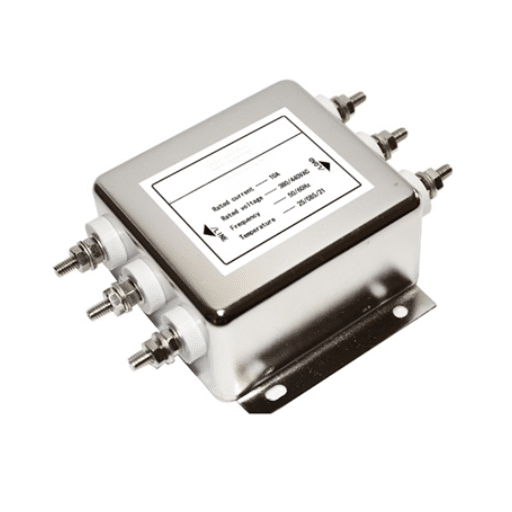
To select the most appropriate Variable Frequency Drive (VFD) filter, first determine the filter’s primary function: reducing electrical noise, decreasing harmonics, or safeguarding the motor from power surges. The following points should be taken into account:
The correct way to test the filter, VFD, and motor compatibility is to check the manufacturer’s recommendations and the technical specifications. The right choice will obviously reduce inefficiencies, extend the device’s lifespan, and maintain the industry standards.
It is crucial to select the right filters that adequately suit the specific needs of a variable frequency drive (VFD) and the motor system to ensure faultless system operation and reduce the risk of electrical interference or component damage. The selection method starts by inspecting the VFD and motor’s operating voltage and current ratings to verify that the filter is compatible with the unit. For example, the filters should be rated for the motor’s full-load current so that normal operating conditions are maintained without overheating or filter failure.
Another factor to consider is the frequency at which the drive switches. The drive with higher-frequency switching generates more electromagnetic interference (EMI) and voltage spikes, which call for deploying specialized filters, such as sine-wave or dv/dt filters, which are particularly advantageous since they suppress premature motor insulation failure and lower harmonic content throughout the system. Also, the length of the motor cable is an essential factor. Longer cables are more likely to produce reflections, which can cause a large voltage on the motor coils.
Ensuring that the chosen filter meets both performance and durability requirements, as well as environmental factors and system-related issues such as temperature, humidity, and exposure to contaminants, is a prerequisite. The adoption of a carefully matched filter design that works perfectly with the VFD and motor’s operational parameters results in a more reliable system, fewer energy losses, and a significantly prolonged life for key parts.

Inspections and regular service are the primary factors responsible for the optimal VFD system performance. The following are major maintenance activities:
Dust and debris accumulate on the parts, leading to overheating and reduced efficiency. To allow free airflow, make sure to clean the VFD enclosure and its cooling mechanisms regularly.
Examine capacitors, resistors, and connectors for any visible signs of wear or damage. The suggestion is to change them in line with the manufacturer’s lifecycle, thus minimizing the chance that these changes could lead to failures, as outlined in the guidelines.
To ensure that the Variable frequency drive’s firmware and control software are compatible and to improve performance, it is necessary to keep them continuously up to date with the latest releases.
The review and verification of the set operating parameters should be done at regular intervals to keep the system functioning within the range where its performance is best.
Following manufacturer guidelines, these steps will also help preserve the system’s high efficiency, avoid operating time, and prolong the life of the VFD plant.
The system’s long-term functionality and reliability depend on effective monitoring of filter performance. Filters are also a key factor in protecting equipment by removing contaminants and keeping air, water, oil, or other system media free-flowing. The regular inspections must focus on pressure drops across the filter elements, as increased pressure drop could indicate a dirty or defective filter. Flow rates and particulate accumulation can be measured with advanced diagnostic tools; these measurements provide the exact status of the filter.
To achieve very high-quality checks, it is necessary to use the manufacturer’s recommended thresholds for pressure drop and flow efficiency. Further to this, the identification and prediction of filter wear trends and replacement needs before a unit’s potential failure can be realized by applying predictive maintenance methods such as sensor-based monitoring or remote diagnostics. Besides, keeping detailed records of filter performance metrics has a double benefit: it helps the outfit meet operational standards and, at the same time, reduces maintenance work by making scheduling more effective and downtime shorter.
Advancements in filtration technology are driving many of the latest improvements that dramatically boost efficacy and operational performance. One such example is the use of HEPA (high-efficiency particulate air) filters that can effectively trap as much as up to 99.97% of the airborne particles that are as small as 0.3 microns, and hence are particularly well-suited for the environments demanding strict air quality standards such as hospitals and clean rooms. Likewise, the use of nanofiber filter media, which combines fragile fibers to provide more surface area, ensures better particle capture while reducing pressure drop, thereby optimizing energy consumption. Besides technological advancements in materials, integrating a well-selected, portable, innovative system, such as an IoT-enabled filtration unit, enables one to monitor and receive data from it in real time. These systems provide operators with the information needed to determine performance data, recognize blockages, and take corrective actions at a distance, thereby maintaining ongoing operations. In the long run, adopting these innovative technologies in the latest filter production not only improves operating performance but also actively supports green objectives by reducing waste and energy use.
Summary: This study focuses on assessing power quality and designing harmonic filters for VFD applications in marine vessels.
Summary: This paper compares the performance of two-level and three-level silicon carbide (SiC)-based VFDs when paired with output filters.
VFD filters are devices used to reduce electrical noise, protecting the motor and upstream equipment from harmonics and high-voltage spikes. One can choose among three filter types: dv/dt filters, sine wave filters, and EMC filters, depending on the problem they intend to solve. Moreover, by employing a filter to smooth the drive’s PWM output, bearing currents can be substantially reduced, motor heating can be lowered, and the insulation life of cables and motors can be extended. It should never be underestimated that special filtering components, like the output reactor, can be responsible for fluctuations in currents that meet the regulations, and, at the same time, the most well-known for that is the standard mode choke.
DV/DT filters are primarily designed to reduce the steep voltage edges produced by PWM drives, protect motor insulation, and reduce cable stress. Sine wave filters are the next logical step, as they go even further by reconstructing a waveform that closely resembles a sine wave at the output of the drive; hence, the standard mode and bearing currents are reduced significantly when compared to dv/dt filters. The general characteristics of dv/dt filters are that they are compact, economical, and practical for short cable lengths. On the other hand, long cable lengths and insulation class constraints in older motors are issues that sine wave filters overlook.
EMI filters explicitly implement EMC mixing to satisfy various requirements, such as reducing electromagnetic interference and meeting limits on both radiated and conducted emissions that are unavoidable in the vicinity of variable-frequency drives. They are usually a combination of capacitors and inductors used to absorb high-frequency components, effectively reducing interference with neighboring sensitive elements and communication lines. Nevertheless, only the EMC filters may not be sufficient to address all problems encountered, such as motor shaft voltages or long cable-induced reflections; in these situations, common-mode chokes or sinusoidal filters may be better alternatives.
Inductance is introduced at the drive output by common-mode chokes and output reactors so that common-mode currents can be suppressed, together with the reduction of peak voltages and di/dt at the motor terminals. Among those components, the common-mode choke has the most significant impact on bearing currents and EMI by blocking high-frequency currents that flow from motor windings to ground. Output reactors, also known as line reactors, reduce harmonics, smooth current spikes, and provide short-term overcurrent protection for the drive, thereby improving the reliability of the whole system.