Ready to Get Your VFD Solution?
Whether you need a single drive or a complete system, we have the VFD products and engineering support to ensure your project's success.



Transform your motor performance with the Single Phase VFD. Engineered for optimal speed and torque management, this advanced drive delivers enhanced efficiency and reliability for single-phase motor applications.
A Single Phase VFD is a type of variable frequency drive specifically designed for single phase induction motors. Unlike their three phase counterparts, these drives cater to single phase input and output configurations, making them ideal for applications where only single phase power is available. The VFD operates by adjusting the voltage and frequency of the AC power supplied to the motor, thus controlling the motor speed and torque. This capability is essential for enhancing the performance of single-phase motors, particularly in residential and small-scale commercial settings.


Implementing a Single Phase VFD offers numerous benefits, foremost being the ability to control the speed of single phase motors with precision. This leads to improved energy efficiency and reduced operational costs. Additionally, these drives provide smooth and gradual acceleration and deceleration, minimizing mechanical stress on the motor, thus prolonging its lifespan. The flexibility offered by Single Phase VFDs in adjusting motor speed also enhances process control and productivity in various applications, from HVAC systems to manufacturing processes.
A Single Phase VFD is composed of several critical components that work in harmony to control motor speed and enhance performance.The rectifier converts the AC input voltage into DC, which is then smoothed by capacitors to ensure a stable DC supply. The inverter then transforms this DC back into AC with variable frequency and voltage, which is essential for controlling the motor’s speed and torque. The control unit orchestrates these processes, using sophisticated algorithms to ensure precise single phase motor operation, thereby improving energy efficiency and system reliability.
The phase input and output of a Single Phase VFD are crucial for its operation, particularly when dealing with single phase AC motors. Typically, the VFD receives a single phase input from a standard 220V or 240V AC power source. This input is then converted to a variable frequency output that can mimic a three phase system, enabling the smooth control of single phase motor speed. The output VFD can manage the motor’s performance by adjusting the voltage and frequency, providing flexible and efficient control over motor operations. This capability is vital for applications requiring precise speed adjustments and is key to extending the utility of single phase motors in various settings.
Control mechanisms within Single Phase VFDs are sophisticated systems designed to regulate motor speed and enhance functionality. These mechanisms include feedback loops and sensors that monitor the motor’s performance, adjusting voltage and frequency as needed to maintain desired speed and torque. By utilizing phase converters and advanced algorithms, a single phase VFD can emulate a three phase environment, offering seamless integration with existing systems. The ability to precisely control the speed and torque of single phase induction motors not only optimizes energy usage but also extends the lifespan of the equipment, making VFDs indispensable in both industrial and residential applications.
The Single Phase VFD is equipped with sophisticated control algorithms designed to optimize the operational efficiency of single-phase motors. These algorithms ensure precise speed regulation, smooth acceleration and deceleration, and enhanced torque control across a broad range of industrial applications.
To safeguard both the drive and connected motors, the Single Phase VFD incorporates a full suite of protection mechanisms. This includes overvoltage, undervoltage, overload, and short-circuit protection, effectively minimizing the risk of equipment failure and extending service life in demanding operating environments.
Featuring extensive compatibility with major fieldbus protocols and standard communication interfaces, the Single Phase VFD seamlessly integrates into diverse automation systems. Its modular design facilitates straightforward installation and configuration, enabling efficient deployment across various control architectures.
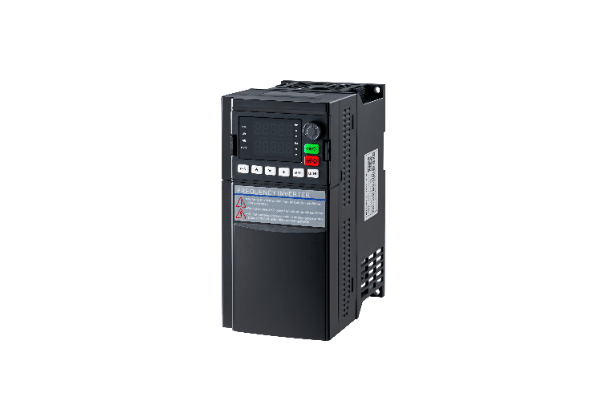
A single-phase VFD engineered to handle larger three-phase motors on a single-phase supply. It delivers robust and stable power output, making it the perfect choice for more demanding applications like large pumps, air compressors, and heavy-duty equipment up to 11kW.
Key Parameters:
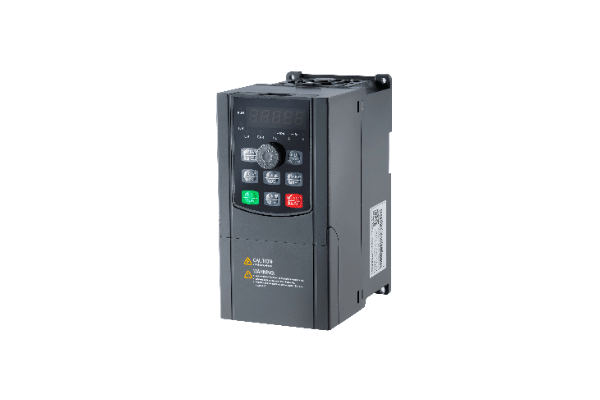
A compact and versatile single-phase VFD designed for general-purpose applications. It provides a reliable and cost-effective solution for controlling three-phase motors in locations where only single-phase power is available, making it ideal for small machinery, conveyors, and fans.
Key Parameters:
This table provides detailed technical specifications for single phase variable frequency drives (VFDs) designed for single phase induction motors.
| Specification | Description |
|---|---|
| Type | Single Phase VFD |
| Input Voltage | 220V, 240V AC |
| Output Voltage | Variable Output Voltage |
| Input Phase | Single Phase Input |
| Output Phase | Single Phase Output |
| Motor Compatibility | Single Phase Induction Motor |
| Power Ratings | 1 HP, 2 HP |
| Control Method | Variable Frequency Control |
| Motor Speed Control | Control the Motor Speed |
| Torque | High Starting Torque |
| Input Current | Varies by Model |
| Efficiency | Energy Saving |
| Protection Features | Overload, Overheat Protection |
| Automation Capability | Compatible with Automation Systems |
| Applications | Ideal for Fans, Pumps, and Spindle Motors |
Selecting the optimal VFD requires careful consideration of your motor specifications, application requirements, environmental conditions, and performance objectives. Our technical team provides comprehensive support throughout the selection and implementation process.
We assist with:
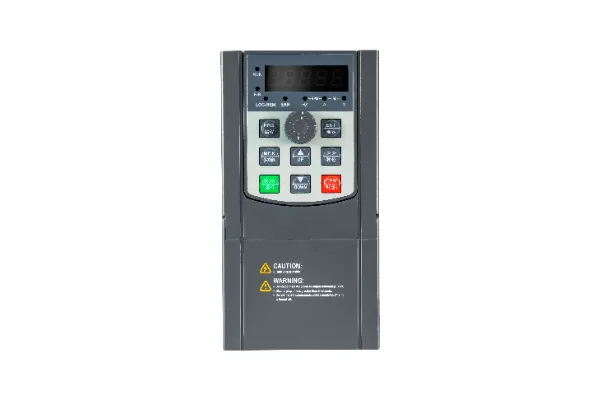
A Single Phase VFD (Variable Frequency Drive) is an electronic controller designed to regulate the speed and torque of single-phase AC motors by varying their input frequency and voltage, providing precise motor control and enhanced operational efficiency.
Key advantages include improved energy efficiency, soft start/stop functionality, extended motor lifespan, reduced mechanical stress, and the integration of comprehensive protection features to safeguard both the motor and connected systems.
Yes, with support for multiple communication protocols and modular design, Single Phase VFDs facilitate seamless integration with programmable logic controllers (PLCs), human-machine interfaces (HMIs), and other standard automation infrastructure.
Single Phase VFDs are primarily designed for single-phase induction and permanent magnet synchronous motors. It is important to verify compatibility based on motor specifications and application requirements.
By adjusting the motor’s speed to match load demands, the VFD significantly reduces energy consumption during partial-load operations, resulting in measurable cost savings over time.
The device is equipped with overvoltage, undervoltage, overload, and short-circuit protection to enhance system reliability, minimize downtime, and protect both the motor and the drive unit.