Ready to Get Your VFD Solution?
Whether you need a single drive or a complete system, we have the VFD products and engineering support to ensure your project's success.

VFDs significantly enhance the efficiency of elevator systems by optimizing energy consumption and reducing the wear and tear on components. By enabling precise speed control, VFDs minimize the energy consumption of the elevator during start and stop operations, leading to substantial energy savings. Regenerative technology within VFDs can convert excess energy during braking into reusable power, further boosting energy efficiency. This not only reduces the overall consumption of the elevator system but also extends the life of the elevator by minimizing mechanical stress. As a result, VFDs are a preferred choice in both residential and commercial buildings for their ability to provide a smoother, more efficient, and environmentally friendly elevator experience.
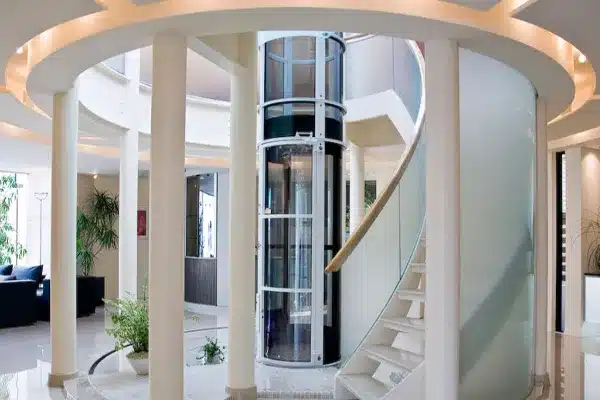
Variable Frequency Drives (VFDs) have become indispensable in modern elevator systems, addressing longstanding challenges faced by building owners, facility managers, and OEMs. By providing enhanced control and efficiency, VFDs directly solve critical industry pain points and drive value across the lifecycle of elevator operations.
Traditional elevator systems are notorious for their high energy consumption, especially in commercial or high-rise environments, where frequent starts and stops place significant demands on electrical infrastructure.
VFDs optimize energy usage by precisely controlling the motor’s speed and torque based on real-time demands. This results in significant reductions in overall energy consumption and operational costs, supporting compliance with stringent sustainability standards.
Constant abrupt starts and stops in conventional systems cause excessive mechanical stress, leading to premature wear on components such as brakes, gears, and cables. This translates to increased maintenance requirements and unscheduled downtime.
With VFDs, elevators start and stop smoothly, minimizing mechanical shock and reducing wear on critical components. This extends equipment life and lowers maintenance costs, while supporting higher system uptime.
Uncontrolled acceleration or deceleration frequently results in jerky rides, negatively affecting passenger comfort and increasing the risk of minor injuries.
Advanced VFD technology delivers seamless acceleration and deceleration, resulting in smoother rides for passengers. This enhances user satisfaction and safety, catering to modern expectations for comfort.
Legacy elevator systems often lack flexibility in control, making them incompatible with newer building management systems and difficult to adapt to changing operational requirements.
VFDs offer advanced programmability and integration capabilities, enabling precise customization of elevator operations. They can be seamlessly integrated with smart building control systems, supporting greater automation and centralized management.
Traditional drive mechanisms may fail to properly manage safety scenarios, such as power failures or emergency braking, posing significant risks to passengers and complicating compliance with safety regulations.
VFD-driven systems feature advanced safety functions, such as controlled stop during power outages and improved emergency braking processes. These features not only safeguard passengers but also streamline adherence to industry regulations and standards.
Accumulated inefficiencies, frequent repairs, and suboptimal energy use lead to increased total cost of ownership across the elevator’s lifecycle.
By driving efficiency, reliability, and predictive maintenance, VFD systems reduce operating expenses and deliver a lower total cost of ownership. Building owners benefit from a sustainable, future-forward solution that maximizes long-term ROI.

A high-power drive featuring an advanced water-cooling system, which ensures low noise, high efficiency, and strong adaptability for demanding elevator applications.
Technical features

This modular platform is designed for reliability and adaptability, with well-sealed power units ideal for smooth, four-quadrant operation in elevator systems.
Technical features

An all-in-one, integrated unit that saves significant space and simplifies on-site installation, offering a compact and convenient high-voltage elevator solution.
Technical features
Variable Frequency Drives (VFDs) provide a robust suite of advantages for modern elevator systems, addressing critical industry requirements including energy efficiency, operational reliability, passenger comfort, and long-term cost reduction.
Elevators with Variable Frequency Drives (VFDs) are increasingly common in residential buildings due to their benefits. VFDs enable smooth rides by precisely controlling acceleration and deceleration, reducing wear on components and extending elevator lifespan. In multi-story buildings, they improve energy efficiency by optimizing voltage and frequency, making them ideal for eco-conscious homes.
VFDs are key for efficient, comfortable commercial elevators. Their variable speed control manages high traffic, adapting to loads and demand, ensuring smooth operations and customer satisfaction. Regenerative technology further boosts efficiency by converting braking energy into reusable power, significantly reducing costs in high-usage buildings. VFDs also enhance reliability and uptime by minimizing maintenance and downtime through precise speed and torque control.
Variable Frequency Drives (VFDs) are also crucial for escalator drive systems. They offer precise control over motor speed and torque, ensuring a smooth ride for users and reducing mechanical stress on components. By adjusting frequency and voltage, VFDs optimize energy consumption, leading to significant savings, especially in high-traffic areas. This improves escalator performance and contributes to the overall sustainability of elevator and escalator systems.
Variable Frequency Drive (VFD) systems are essential components in modern elevator installations, offering precise control, energy efficiency, and enhanced reliability. The table below outlines the key technical parameters and typical specifications to consider when evaluating Elevator VFD Systems.
| Parameter | Specification Range |
|---|---|
| Input Voltage | 200V–690V AC, 3-phase |
| Output Frequency | 0.1 Hz – 120 Hz |
| Rated Power | 2 kW – 110 kW |
| Control Method | Vector control, V/F control |
| Overload Capacity | 150% of rated current for 60 seconds |
| Speed Regulation Accuracy | ±0.5% or better |
| Communication Interfaces | Modbus, CANopen, Profibus, Ethernet |
| Protection Features | Overvoltage, Overcurrent, Overheat, Short Circuit |
| Operating Temperature | -10°C to +40°C |
| Cooling Method | Forced air cooling |
Selecting the optimal VFD requires careful consideration of your motor specifications, application requirements, environmental conditions, and performance objectives. Our technical team provides comprehensive support throughout the selection and implementation process.
We assist with:



A VFD is an electronic controller that precisely adjusts the speed and torque of the elevator motor, resulting in smooth acceleration and deceleration. This technology enables efficient and reliable elevator performance.
Most modern VFD solutions can be retrofitted to a wide range of elevator motors and control systems, making upgrades feasible for both new and legacy equipment.
By modulating acceleration and deceleration, VFDs eliminate common issues such as jerky starts and stops, providing passengers with a smoother, more comfortable ride experience.
VFDs reduce energy consumption by optimizing motor operation and allowing regenerative drives to capture and reuse excess energy during descents, significantly lowering operational costs.
VFDs minimize mechanical stress on elevator components, leading to reduced wear and tear. This translates to lower maintenance frequency, fewer breakdowns, and extended equipment life.
Yes, VFDs offer advanced control capabilities and fault detection features, which enhance elevator safety by ensuring precise movement and timely fault identification.