Ready to Get Your VFD Solution?
Whether you need a single drive or a complete system, we have the VFD products and engineering support to ensure your project's success.

In fan applications, VFDs serve as a critical component in controlling the airflow and fan performance. By altering the power supply frequencies, VFDs adjust the speed and torque of the motor, allowing for precise control over the fan’s operation. This capability is essential in systems where variable airflow is required, such as HVAC and industrial ventilation systems. VFD-controlled fans offer flexibility in managing individual fan performance in multi-fan ventilation setups, reducing the risk of fan failure due to low speed or other operational issues. By using a VFD to control the speed of the fan, operators can optimize fan performance and achieve desired airflow levels efficiently.
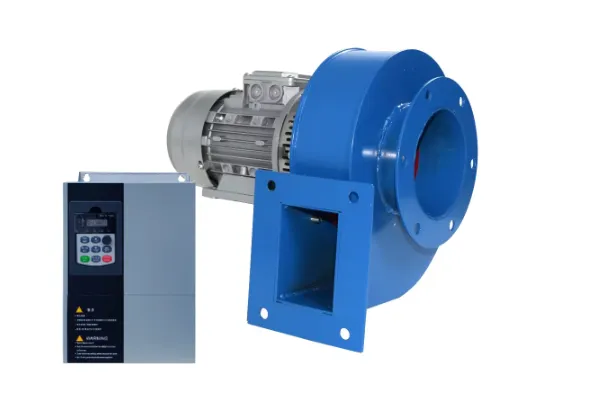
In industrial fan and blower applications, addressing operational inefficiencies and adapting to evolving industry standards are essential for maintaining competitive performance and regulatory compliance.
Excessive energy consumption is a persistent issue, often resulting from running fans and blowers at full speed regardless of actual demand.
Implementing VFDs allows facilities to precisely control motor speed, delivering substantial reductions in energy usage and operational costs by matching output to real-time requirements.
Inconsistent airflow and pressure can compromise process quality and product integrity.
VFDs offer dynamic speed adjustment and accurate control, ensuring stable process conditions and enhancing overall consistency in industrial operations.
Frequent mechanical stress and abrupt starts or stops accelerate equipment wear, leading to higher maintenance costs and unplanned downtime.
VFDs provide soft starting and stopping capabilities, minimizing mechanical shock, extending equipment life, and reducing maintenance frequency.
Integrating new control solutions with existing legacy systems can be technically challenging and resource-intensive.
Modern VFDs feature broad protocol compatibility and scalable interfaces, facilitating seamless integration into diverse automation architectures with minimal disruption.
Meeting increasingly rigorous environmental and energy efficiency regulations requires ongoing investment and adaptability.
Through optimized energy management and reduced emissions, VFDs help organizations maintain compliance with current and future regulatory standards.
Rapidly changing production demands require flexible system response without compromising reliability or efficiency.
VFD-enabled systems provide agile control over motor speed and torque, allowing for quick adjustment to fluctuating process requirements while safeguarding performance and reliability.
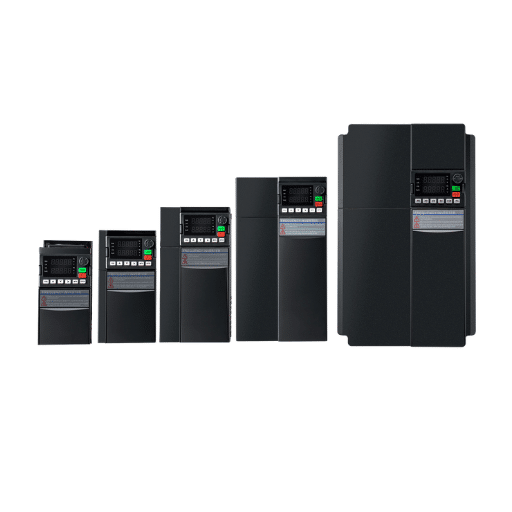
A compact, high-performance vector drive offering flexible customization and precise, energy-saving control suited for various fan and blower systems.
Technical features
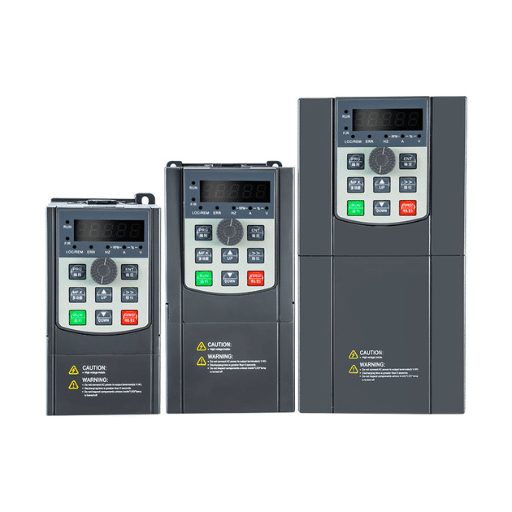
This universal VFD provides superior performance with a modern, compact design and excellent heat dissipation, ideal for numerous adaptable applications.
Technical features

A heavy-duty vector VFD delivering high-torque output and excellent overload capacity, designed for the most demanding industrial fan tasks.
Technical features
Selecting the appropriate Variable Frequency Drive (VFD) for blower applications is critical for system efficiency, reliability, and longevity.
By adjusting motor speed to match actual system demand, VFDs eliminate unnecessary energy consumption. This efficient operation can reduce total power usage by up to 50%, leading to substantial cost savings over the equipment lifecycle.
VFDs grant precise control over motor acceleration, deceleration, and speed, optimizing airflow and pressure as required. This enables stable process conditions, minimizes wear on system components, and contributes to improved product quality.
Gradual motor starts and stops reduce mechanical stress, vibration, and thermal cycling. This controlled operation lowers the frequency of maintenance interventions, extends the service life of both motors and driven equipment, and minimizes unplanned downtime.
VFD-based systems are effective in meeting stringent industry regulations related to energy efficiency and workplace safety. Features such as soft-start, overload protection, and fault diagnostics further support compliance initiatives, creating safer working environments and greater process reliability.
This table provides detailed technical specifications for Fan & Blower Variable Frequency Drives (VFDs), focusing on their applications in controlling fan speed and optimizing energy consumption in HVAC systems.
| Specification | Description |
|---|---|
| Type | Variable Frequency Drive (VFD) |
| Motor Compatibility | 3 Phase Motor, Brushless Motors |
| Control Method | PID Control for precise airflow control |
| Speed Control | Adjustable motor speed, controlling fan speed from low speed to high-performance |
| Power Supply | Voltage of the power supplied varies with power supply frequencies |
| Efficiency | Energy efficiency, energy savings, reduce energy costs |
| Applications | HVAC systems, industrial ventilation, dust collection |
| Fan Performance | Optimized for airflow and fan control |
| Installation | Retrofit older fans with VFD technology |
| Safety Features | Prevention of mechanical resonance and damage sensitive electrical equipment |
| Cost | Cost of a VFD varies based on specifications and features |
| Operational Benefits | Control each fan in a multi-fan ventilation system, configuring the VFD for specific requirements |
| Torque and Speed | Control speed and torque by adjusting RPM of the motor |
Selecting the optimal VFD requires careful consideration of your motor specifications, application requirements, environmental conditions, and performance objectives. Our technical team provides comprehensive support throughout the selection and implementation process.
We assist with:
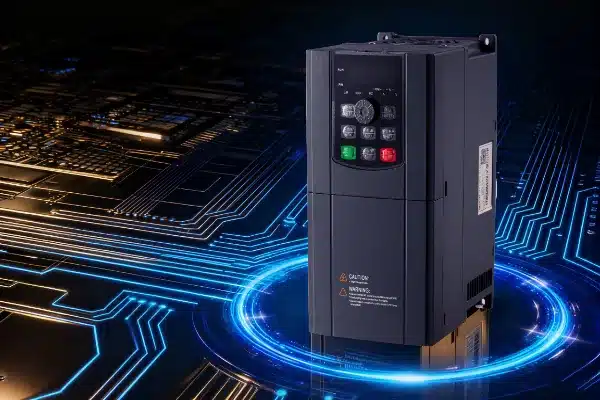


A Variable Frequency Drive (VFD) is an electronic device that controls the speed and torque of electric motors by varying the frequency and voltage of their power supply, leading to optimized performance and energy savings.
By adjusting motor speed to actual demand, VFDs prevent unnecessary power usage. This dynamic control can reduce energy consumption by up to 50% in certain ventilation and air handling systems.
Routine inspection and preventive maintenance of VFDs include checking ventilation, tightening electrical connections, updating firmware, and monitoring for abnormal vibrations or heating.
VFDs enhance efficiency, enable precise control over airflow, reduce energy consumption, and decrease mechanical stress, which extends equipment lifespan.
Yes, most existing systems can be retrofitted with compatible VFDs, provided the motors and electrical infrastructure support such upgrades. Proper assessment by technical experts is recommended before installation.
Improper installation, unsuitable motor types, or poor programming may lead to operational inefficiencies. It is crucial to follow manufacturer guidelines and consult qualified professionals to mitigate these risks.